Banner
Synchrotron Could Shed Light On Exotic Dark Photons

There are many hypothetical particles proposed to explain dark matter and one idea to explore how...

The Pain Scale Is Broken But This May Fix It

Chronic pain is reported by over 20 percent of the global population but there is no scientific...
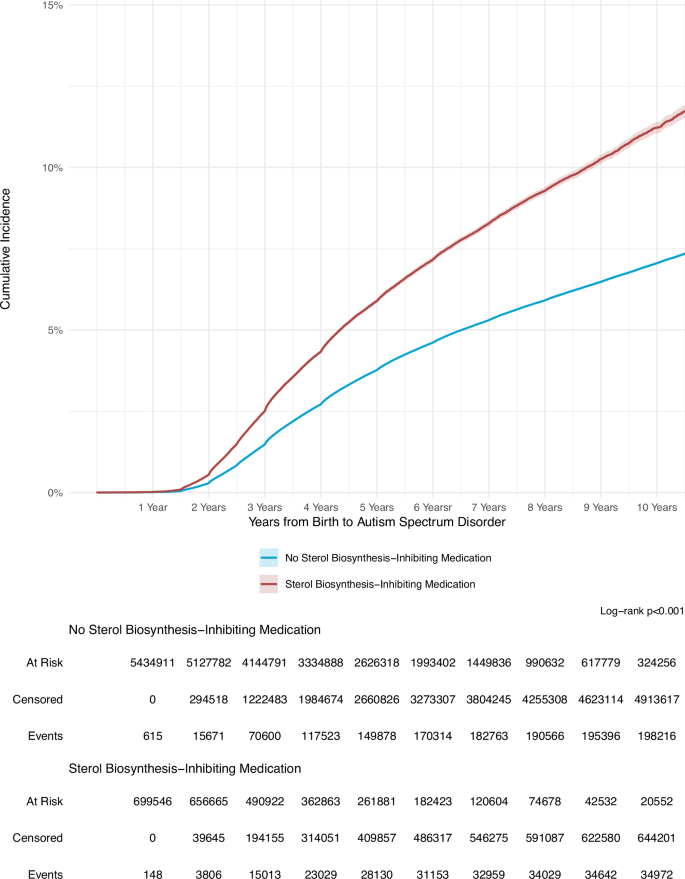
Study Links Antidepressants, Beta-blockers and Statins To Increased Autism Risk

An analysis of 6.14 million maternal-child health records  has linked prescription medications...

Pilot Study: Fibromyalgia Fatigue Improved By TENS Therapy

Fibromyalgia is the term for a poorly-understood condition where people experience pain and fatigue...

User picture.
News StaffRSS Feed of this column.

News Releases From All Over The World, Right To You... Read More »

Blogroll

If your pockets are empty and you have no money for roast beast this Christmas, there may still be hope. You could try remembering a better dinner and trick your brain into feeling full. That's episodic memory.

The memory of having eaten a large meal can make people feel less hungry hours after the meal, according to a paper by experimental psychologists at University of Bristol.

What Charles Darwin famously called "an abominable mystery", the apparent sudden appearance and rapid spread of flowering plants in the fossil record, is the topic of a paper which proposes new evidence that flowering plants - angiosperms - evolved and colonized various types of aquatic environments over about 45 million years in the early to middle Cretaceous Period.

Modern-day gypsies,  Europe's widespread Romani population, are now as diverse in language, lifestyle, and religion as any demographic but they all share a common past.

And that past started about 1,500 years ago  in northwestern India, according to the first genome-wide perspective on Romani origins and demographic history. With

If you want to go on a quest for solving the mysteries of deafness, discovering the genetic machinery in the inner ear that responds to sound waves and converts them into electrical impulses, the language of the brain, is your holy grail.

Scientists at The Scripps Research Institute (TSRI) say have identified just such a chalice; a critical component of this ear-to-brain conversion is the protein called TMHS. This protein is a component of the mechanotransduction channels in the ear, which convert the signals from mechanical sound waves into electrical impulses transmitted to the nervous system. 

Lying, like anything else, can be done pretty well with some practice.  Just like not everyone can be a world class pianist but everyone can sound decent with some time and effort, with a little work, one could learn to tell a lie that may be indistinguishable from the truth, say psychologists.

They say that lying is more malleable than previously thought, and with a certain amount of training and instruction, the art of deception can even be perfected.

Teflon is popular, used on everything from cooking pans to armor-piercing bullets, but it has a waste byproduct, fluoroform, which has to be stored by chemical companies because it has an estimated global warming potential 11,700 times higher than carbon dioxide.