Banner
Synchrotron Could Shed Light On Exotic Dark Photons

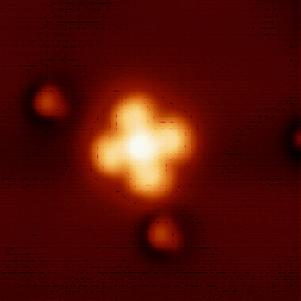
There are many hypothetical particles proposed to explain dark matter and one idea to explore how...

The Pain Scale Is Broken But This May Fix It

Chronic pain is reported by over 20 percent of the global population but there is no scientific...
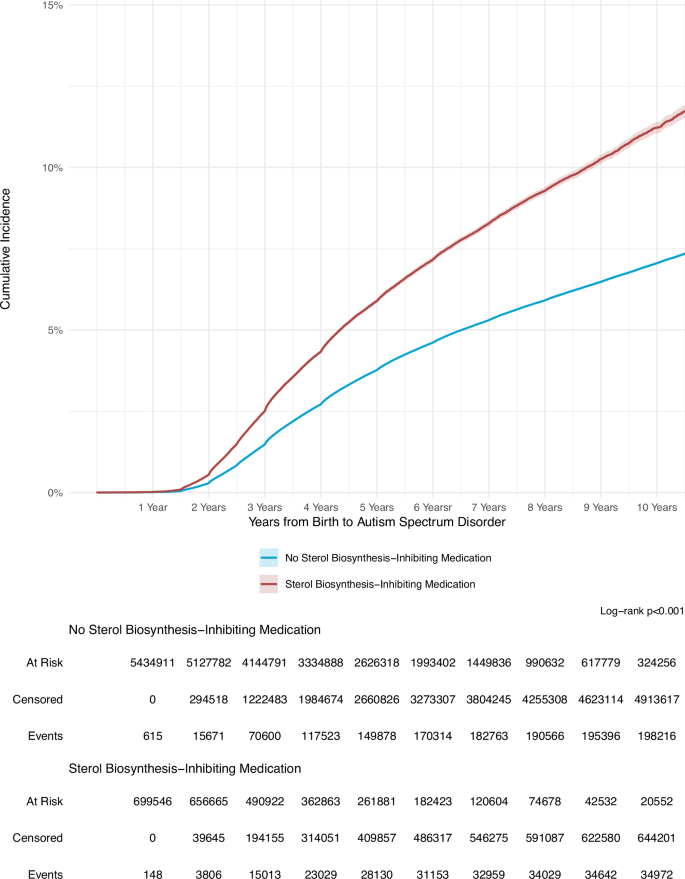
Study Links Antidepressants, Beta-blockers and Statins To Increased Autism Risk

An analysis of 6.14 million maternal-child health records  has linked prescription medications...

Pilot Study: Fibromyalgia Fatigue Improved By TENS Therapy

Fibromyalgia is the term for a poorly-understood condition where people experience pain and fatigue...

User picture.
News StaffRSS Feed of this column.

News Releases From All Over The World, Right To You... Read More »

Blogroll

A device capable of amplifying the information in a single particle of light without adding noise has been created.  The researchers were able to amplify the noisy quantum state of a single photon subjected to loss, without adding noise in the process - their amplification actually reduced the noise in the quantum state. 

It is expected the results will stimulate further interest in the fundamental laws that govern how well amplifiers can work and in developing uses of noiseless amplification techniques for other quantum information technology applications.

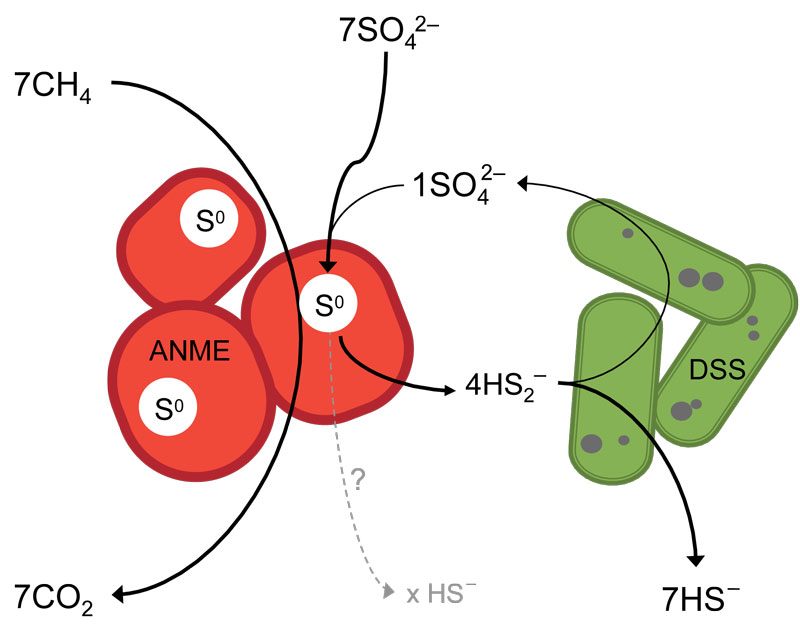
Microbiologists and geochemists have shown that marine methane oxidation coupled to sulfate respiration can be performed by a single microorganism, a member of the ancient kingdom of the Archaea, and doesn't need to be carried out in collaboration with a bacterium, as previously thought.
One big knock on solar energy is that it is inconsistent; it doesn't work at night or on cloudy days and storing it in batteries takes away the cost effectiveness. But a new technology is in development that can transform that light energy into a storable clean fuel that still has a neutral carbon footprint - hydrogen.

What does it take? Water and iron oxide, better known as rust. Kevin Sivula and colleagues at Ecole Polytechnique Fédérale de Lausanne intentionally stuck to inexpensive materials and easily scalable production processes in order work toward an economically viable method for solar hydrogen production. 
Want to help unlock the secrets of magnetism at the molecular scale without getting a PhD in physics? A citizen science project entitled Feynman’s Flowers lets volunteers from across the world analyze microscope images of individual molecules, which have characteristic flower shapes. Anyone can take part, and only a few clicks of the computer mouse are required to collect valuable information.
A new prostate cancer awareness survey found widespread misconceptions about the disease and says the emotional impact on men is underestimated.

The physical effects of prostate cancer are widely known but men know more myths than facts about how prevalent it is and what could happen. Janssen Biotech, Inc. has released the results of its "Mind Over Manhood: Misconceptions About Prostate Cancer" survey and it reveals a significant gap between the facts about prostate cancer and what men believe about the disease.

In the past, the stereotypes of autism often included a savant capability in some specific thing. A new look at eight child 'prodigies' suggests there may actually be a link between the children's special skills and autism. 

Or, people who are really good at some things tend to develop less socially. 

Of the eight prodigies they looked at, three had a diagnosis of autism spectrum disorders and as a group, the prodigies tended to have slightly elevated scores on a test of autistic traits  compared to the control group. Half of the prodigies had a family member or a first- or second-degree relative with an autism diagnosis.