Where will you find gypsum rocks forged by fire and water millions of years ago?
Nuclear reprogramming is changing one kind of cell to that of another unrelated cell type. Techniques have included direct reprogramming, somatic cell nuclear transfer, cell fusion and induction of pluripotency by ectopic gene expression.
Outside the very large and the very small, the universe is rather easy to understand in modern times. At the very large, we have to try and make dark matter and dark energy work. At the very small, quantum predictions challenge our best understanding about the nature of space and time, what we know as Einstein's theory of relativity.
The implications of quantum theory have been troubling since it was invented in the early 20th Century. The problem is that quantum theory predicts bizarre behavior for particles, such as two 'entangled' particles behaving as one even when far apart. This seems to violate our sense of cause and effect in space and time. Physicists call such behavior 'nonlocal'.
A flu vaccine that also helps prevent heart disease?
Two researchers presented studies at the 2012 Canadian Cardiovascular Congress saying that the influenza vaccine could also help maintain heart health and ward off strokes and heart attacks.
Researchers have discovered that the protein resistin, which is secreted by fat tissue, causes high levels of "bad" cholesterol (low-density lipoprotein or LDL), increasing the risk of heart disease.
High blood cholesterol is a major risk factor for heart disease and stroke. It can lead to a buildup of plaque in the artery walls and narrowing of the arteries, causing atherosclerosis, which can make it more difficult for blood to flow through the heart and body.
Watching single strands of DNA being prepped for repair may help researchers understand the origins of breast cancer.
In a new study, graduate student Jason Bell imaged individual strands of bacterial DNA as they were coated with a protein called RecA. Studying how this process works gives insights into the "mediator" proteins responsible that facilitate it. In humans, one of those mediators is the protein BRCA2, which is strongly associated with breast cancer. RecA, called Rad51 in humans, helps the single strand of DNA find its complementary, matching strand elsewhere in the chromosome. The RecA protein has to displace another protein, imaginatively named single-strand DNA-binding protein, to get to the DNA.


 Synchrotron Could Shed Light On Exotic Dark Photons
 The Pain Scale Is Broken But This May Fix It
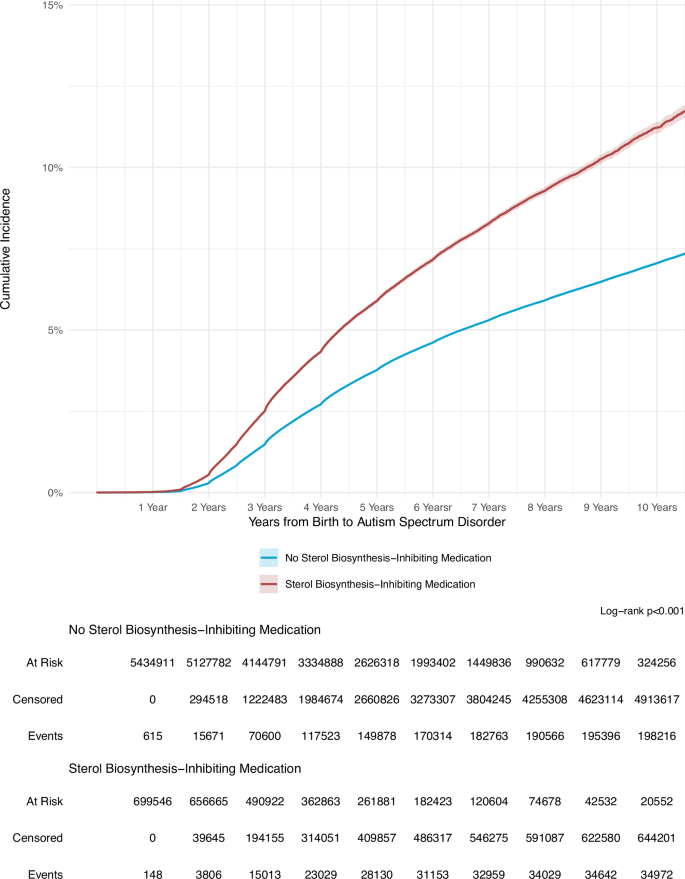 Study Links Antidepressants, Beta-blockers and Statins To Increased Autism Risk
 Pilot Study: Fibromyalgia Fatigue Improved By TENS Therapy

 and the Gale crater on Mars.jpg "How Mars Is Like A Mexican Valley")




