Banner
Synchrotron Could Shed Light On Exotic Dark Photons

There are many hypothetical particles proposed to explain dark matter and one idea to explore how...

The Pain Scale Is Broken But This May Fix It

Chronic pain is reported by over 20 percent of the global population but there is no scientific...
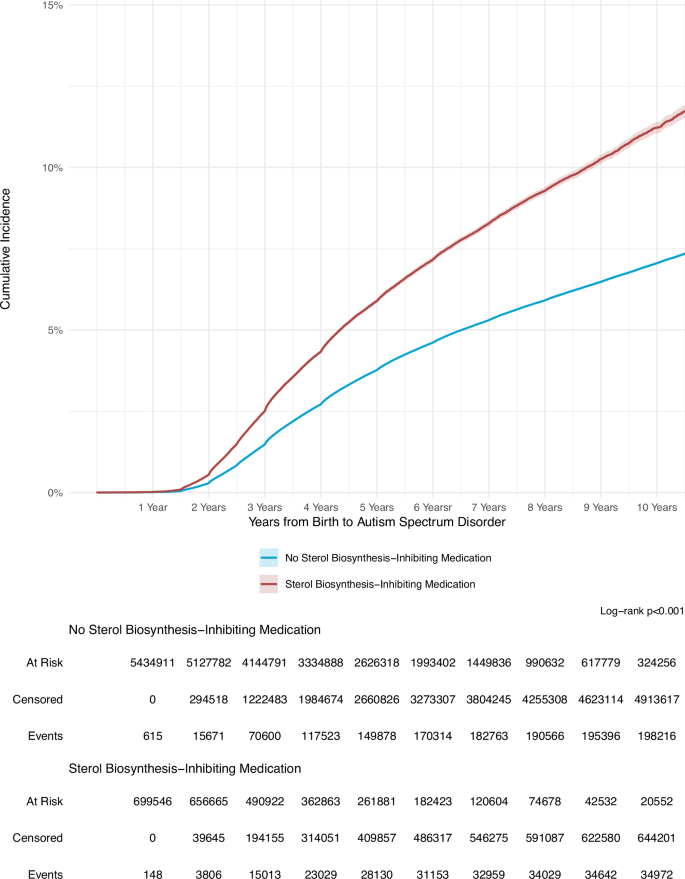
Study Links Antidepressants, Beta-blockers and Statins To Increased Autism Risk

An analysis of 6.14 million maternal-child health records  has linked prescription medications...

Pilot Study: Fibromyalgia Fatigue Improved By TENS Therapy

Fibromyalgia is the term for a poorly-understood condition where people experience pain and fatigue...

User picture.
News StaffRSS Feed of this column.

News Releases From All Over The World, Right To You... Read More »

Blogroll
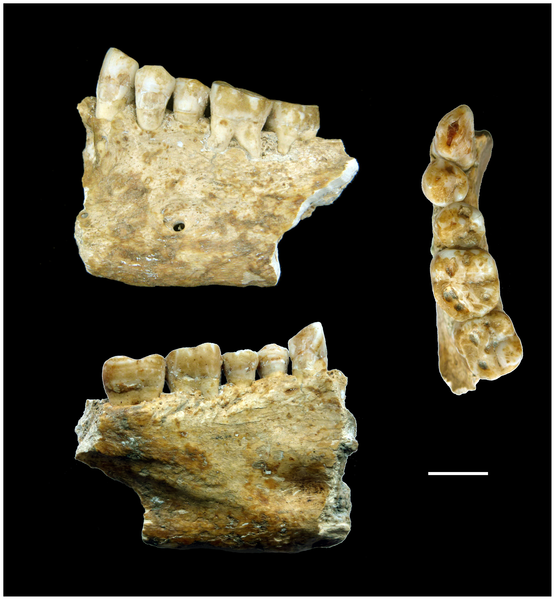
Dentistry has been around for almost long as people have had teeth go bad but evidence for dentistry is another matter entirely. We don't pull off an arm when it is sore so the first human to figure out that pulling something attached to the skull would help keep people alive was taking nearly as big a chance as the first patient.

Ancient evidence of prehistoric dentistry has been discovered in a Neolithic graveyard in Pakistan and other findings in a Neolithic graveyard near Parma have detailed creative tooth work. An artificial tooth from the cemetery of Gebel Ramlah, Egypt, dates back 5,500 years.
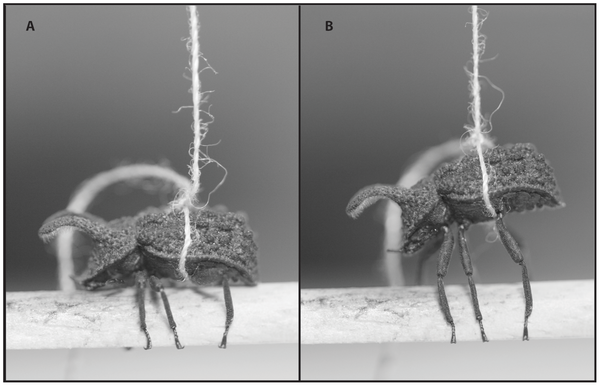
Combat traits usually get most of the attention from researchers, because they are thought to have arisen due to intense male-male competition for access to females. Large, elaborate weapons become the focus of sexual selection studies because the connection is obvious. Collared lizards (Crotaphytus collaris), for example, have bite force correlated with head width, and it positively predicts the number of offspring produced in a breeding season, suggesting sexual selection on head morphology and the role of attacking traits.
Laboratory modified corn has shown some progress in treating a rare, life-threatening childhood genetic disease. Researchers have been developing enzyme therapeutics for lysosomal storage diseases - rare but devastating childhood genetic diseases – for more than a decade. 

In the most severe forms of these inherited diseases, untreated patients die in early childhood because of progressive damage to all organs of the body and currently, enzyme treatments are available for only six of the more than 70 diverse types of lysosomal storage diseases.

Doctors don't want to be general care physicians, they want to specialize, and it is a problem that will only get worse because it involves money.

Primary care physicians are at the heart of health care in the United States, they are the first to diagnose patients and ensure those patients receive the care they need.  But faced with increased regulations, paperwork, the onslaught of defensive medicine, malpractice costs and staggering medical school bills, many are instead opting to become specialists.

Health Robotics today announced that it has entered the Blood/Plasma Automation Industry by leveraging its technology across the Pharmaceutical and Blood/Plasma industry sectors. They also announced the general availability of embedded Radio-frequency identification (RFID) for its Sterile Compounding Automation solutions i.v.STATION, i.v.SOFT, and i.v.STATION ONCO. These RFID upgrades will be showcased at the upcoming ASHP Midyear Meeting&Exhibition (American Society of Health-System Pharmacists) on December 2-6 in Las Vegas. 

Humans of the Upper Palaeolithic Age recycled and repurposed their stone artifacts to be put to other uses, according to a group of anthropologists after examining burnt artifacts found in the Molí del Salt site in Tarragona, Spain.

How could they make that determination? Finding that stone tools during prehistoric times were recycled is not going to be apparent in archaeological records.