Banner
Synchrotron Could Shed Light On Exotic Dark Photons

There are many hypothetical particles proposed to explain dark matter and one idea to explore how...

The Pain Scale Is Broken But This May Fix It

Chronic pain is reported by over 20 percent of the global population but there is no scientific...
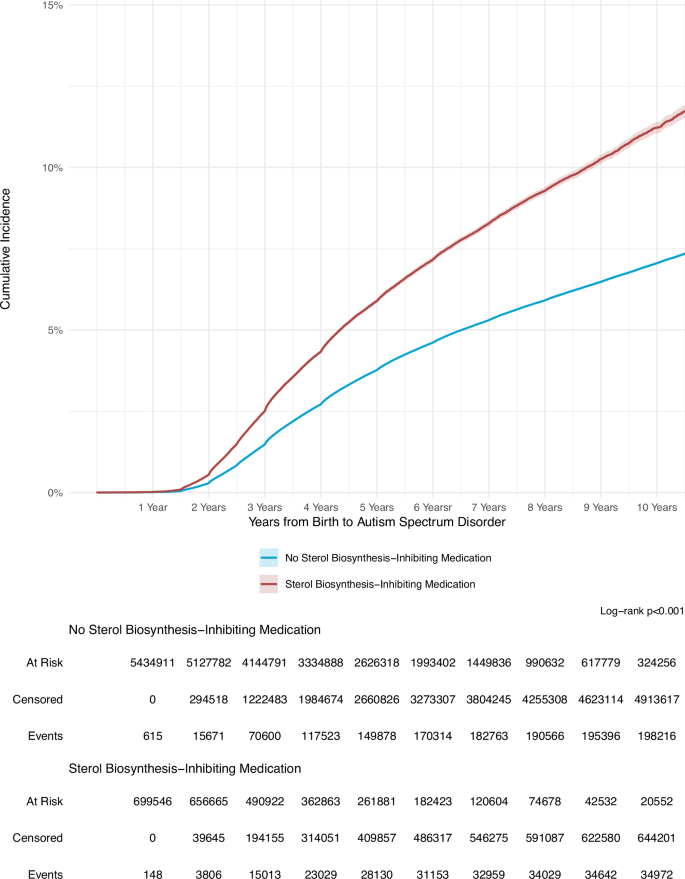
Study Links Antidepressants, Beta-blockers and Statins To Increased Autism Risk

An analysis of 6.14 million maternal-child health records  has linked prescription medications...

Pilot Study: Fibromyalgia Fatigue Improved By TENS Therapy

Fibromyalgia is the term for a poorly-understood condition where people experience pain and fatigue...

User picture.
News StaffRSS Feed of this column.

News Releases From All Over The World, Right To You... Read More »

Blogroll
Neanderthals - Cave Men, in colloquial terms (as if Cro-Magnon emerged in a medieval castle; they all lived in caves if they could) - don't get a lot of respect for being smart.  But they probably had a few things going for them, since they survived until around 20,000 B.C.

Maybe even medicine.

50,000-year-old Neanderthal teeth from the El Sidrón site in northern Spain show that they were not just meat-eaters, nor were they eating plants just as foragers.  They may even have understood natural medicine.
Silymarin is an extract of milk thistle. Millions of people use this herbal remedy to treat chronic liver disease but it doesn't do much for patients, according to a new study.

Milk thistle fruit extracts have been widely used by patients in treating liver disease based on previous evidence showing that it has anti-inflammatory, anti-oxidant, and potentially anti-viral properties so the new study set out to assess true efficacy in a group of hepatitis C patients who were previously unsuccessfully treated with interferon-based therapy – the standard anti-viral method used to treat the disease. 

According to the "2011 Journal Citation Reports" (JCR) published by Thomson Reuters, Elsevier saw 58% of its journal Impact Factors increase from 2010 to 2011, which mirrored the overall trend - 54% of other journals also increased. 

Impact Factor helps evaluate a journal's impact compared to others in the same field by measuring the frequency with which recent articles in a journal have been cited in a particular year - that, in turn, helps funding groups evaluating grant proposals to establish a metric for how valuable a researcher's work is to the broad science world. The 2011 Impact Factor takes into account citations in 2011 to papers published in 2009 and 2010.

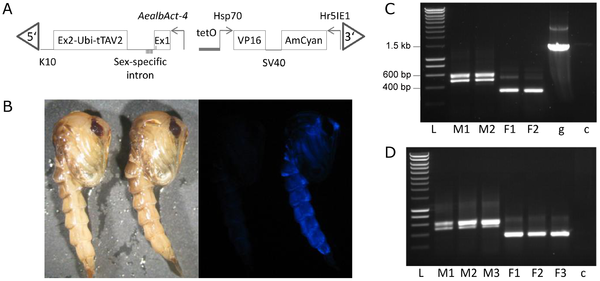
A new flightless strain of the Asian tiger mosquito, Aedes albopictus, has been created by Oxitec scientists, a breakthrough that could help stop the spread of this dangerous and invasive pest. 

Aedes albopictus is a serious nuisance biter, but is also capable of transmitting dengue fever, Chikungunya, West Nile Virus and a host of other diseases. In the last few decades it has spread throughout the world where it has gone from bothersome pest to increasing health concern.

The Asian tiger mosquito is difficult to control using conventional methods rely; chemical pesticides harm other insects and become increasingly ineffective as mosquitoes develop resistance. 

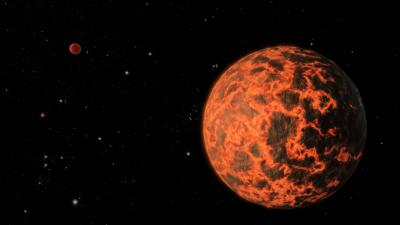
A newly discovered exoplanet is two-thirds the size of Earth and a relatively close 33 light years away.

But is it really a planet? UCF 1.01 is being called an exoplanet candidate. The reason is because a measured mass is needed to verify that it is a planet, but even the most sensitive instruments currently available are unable to measure exoplanet masses this small.

UCF 1.01 is so close to its star it orbits in 1.4 days. The planet's surface likely reaches temperatures of more than 1,000 degrees Fahrenheit and it probably has no atmosphere. Its surface may be volcanic or molten.
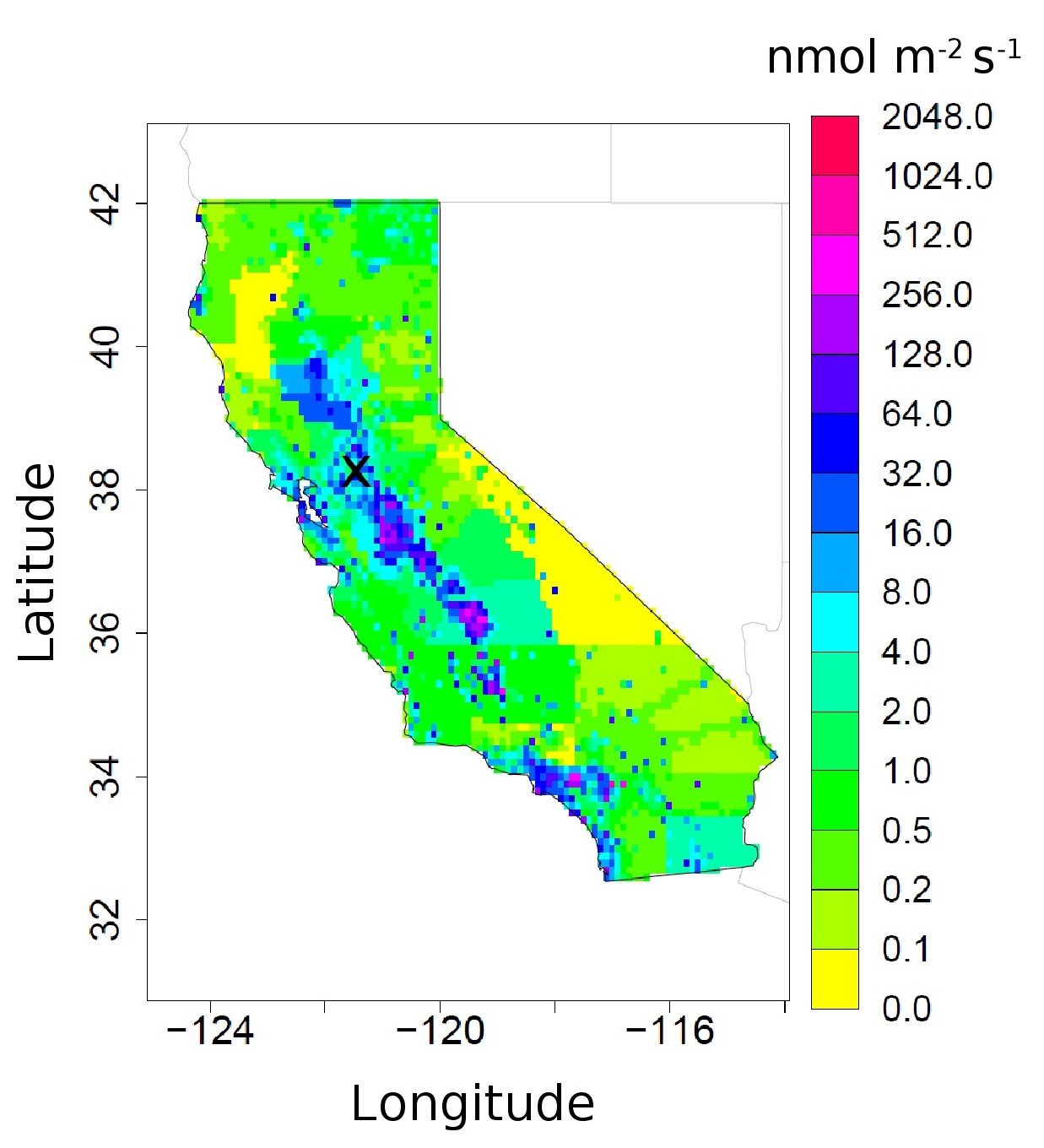
Methane, a potent greenhouse gas, has been underrated in the quest to discuss carbon dioxide, but it shouldn't be - it has about 23 times the warming effect of CO2.  And methane levels  are at least one-and-a-half times higher in California than previously estimated, says a new study.

Researchers recently combined highly accurate methane measurements from a tower with model predictions of expected methane signals to revise estimated methane emissions from central California. They found that annually averaged methane emissions in California were 1.5 to 1.8 times greater than previous estimates, depending on the spatial distribution of the methane emissions.