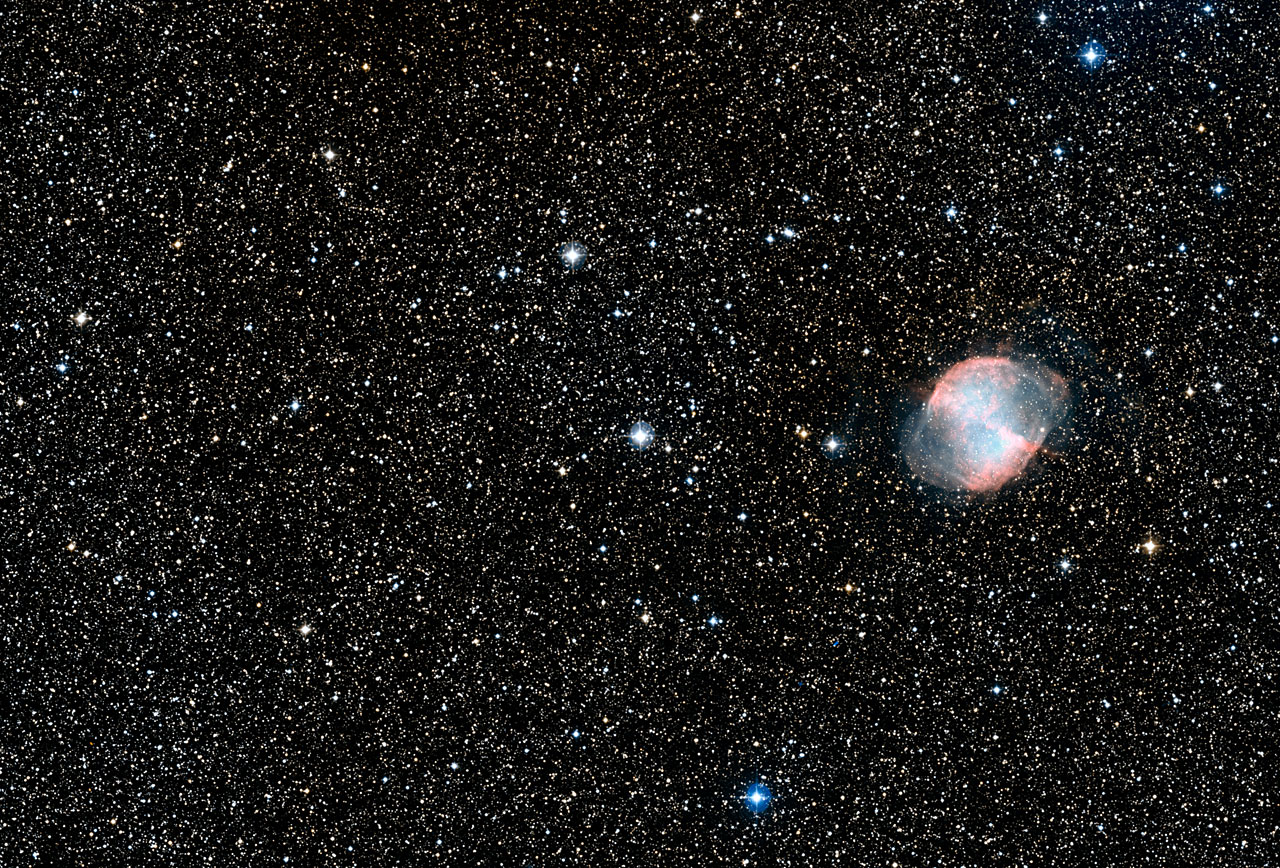
The atmosphere of exoplanet HD 189733b, about 60 light-years from Earth, changed dramtically after a violent flare on its parent star bathed it in intense X-ray radiation. Result: A powerful burst of evaporation.
Australopithecus sediba, a short, gangly hominid that lived in South Africa 2 million years ago, had a diet unlike virtually all other known human ancestors - trees and bushes.
A new study indicates that A. sediba ate harder foods than other early hominids like Paranthropus boisei, dubbed "Nutcracker Man" because of its massive jaws and teeth, which focused more on grasses and sedges.
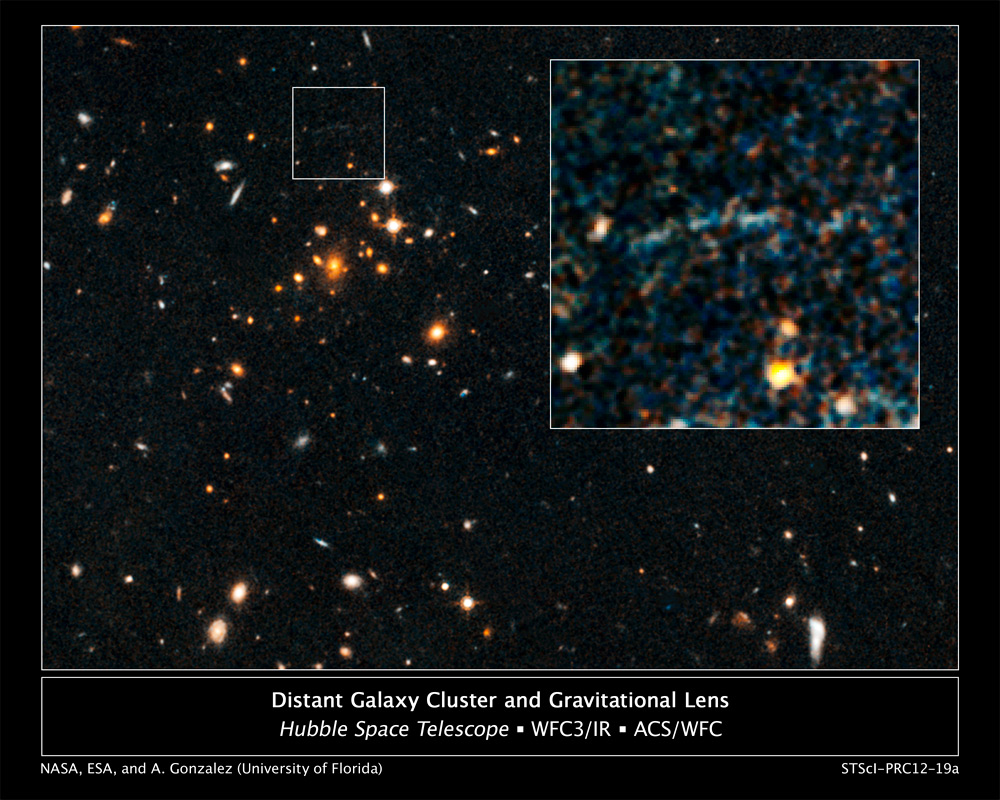
Astronomers have found a puzzling arc of light behind an extremely massive cluster of galaxies residing 10 billion light-years away. The galactic grouping was observed when the universe was roughly a quarter of its current age of 13.7 billion years and the giant arc is the stretched shape of a more distant galaxy whose light is distorted by the monster cluster's powerful gravity, the effect called gravitational lensing.
The puzzle is, the arc shouldn't exist.
While the world actually grows enough food to feed all its inhabitants, it isn't equally distributed. Nearly 500 million people in the developing world remain undernourished and, if projections hold true, that number could to 20% within a decade due to the impacts of climate change on global food production, according to a detailed analysis by The Partnership for Maternal, Newborn&Child Health (PMNCH), the World Health Organization (WHO), the UN System Standing Committee on Nutrition (UNSCN), 1,000 Days, World Vision International and partners.
A small-scale study found diets that reduce the surge in blood sugar after a meal - low-glycemic index or very-low carbohydrate - are better than a low-fat diet for those trying to achieve lasting weight loss. The study also found that the low-glycemic index diet had similar metabolic benefits to the very low-carb diet without negative effects of stress and inflammation as seen by participants consuming the very low-carb diet.
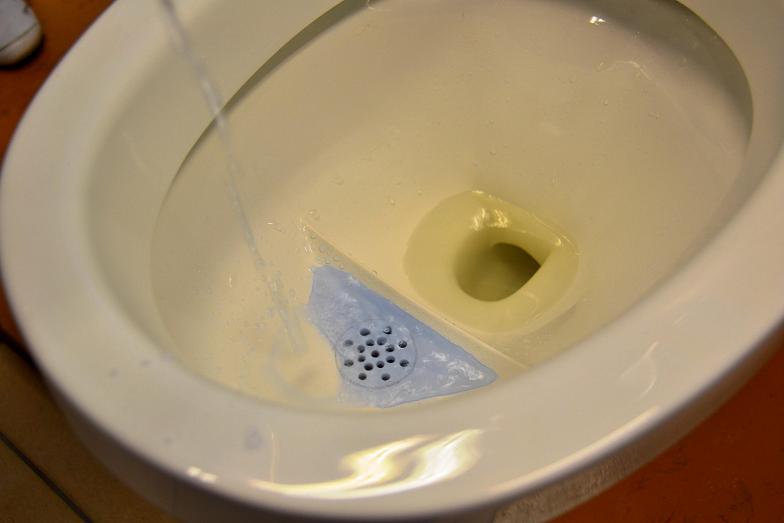
A new toilet system can turn human waste into electricity and fertilizers and even reduce the amount of water needed for flushing by up to 90 percent
The inventors in Singapore call it the No-Mix Vacuum Toilet and it has two chambers that separate the liquid and solid wastes. Using vacuum suction technology, like you find in airplane lavatories, flushing liquids requires only 0.2 liters of water while flushing solids require just one liter. The existing conventional commonly used in Singapore need 4 to 6 liters of water per flush so a single public toilet, that may be flushed 100 times a day, could save about 160,000 liters of water in a year – enough to fill a small pool.


 Synchrotron Could Shed Light On Exotic Dark Photons
 The Pain Scale Is Broken But This May Fix It
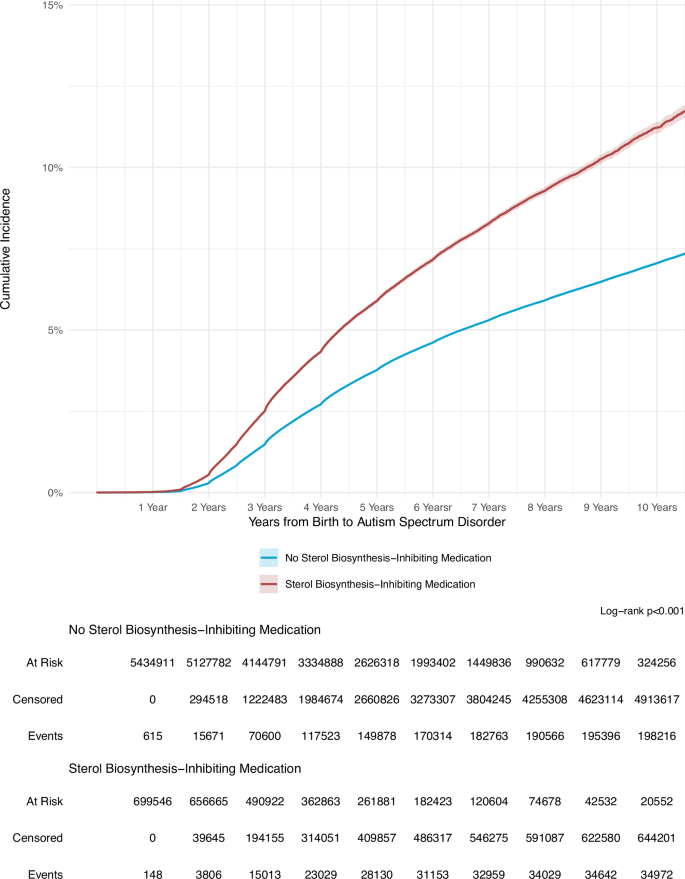 Study Links Antidepressants, Beta-blockers and Statins To Increased Autism Risk
 Pilot Study: Fibromyalgia Fatigue Improved By TENS Therapy