

Banner
Synchrotron Could Shed Light On Exotic Dark Photons

There are many hypothetical particles proposed to explain dark matter and one idea to explore how...

The Pain Scale Is Broken But This May Fix It

Chronic pain is reported by over 20 percent of the global population but there is no scientific...
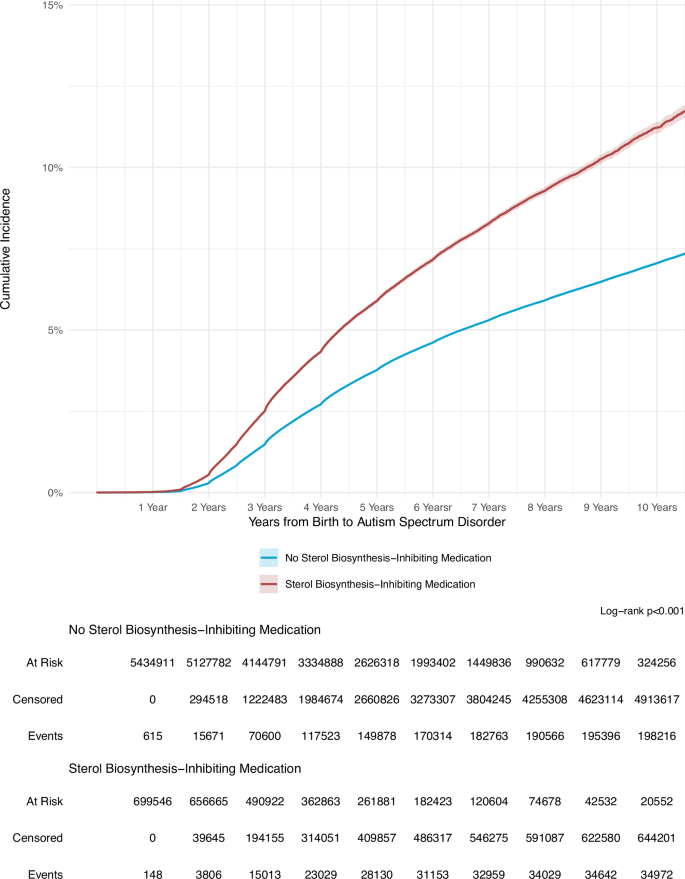
Study Links Antidepressants, Beta-blockers and Statins To Increased Autism Risk

An analysis of 6.14 million maternal-child health records  has linked prescription medications...

Pilot Study: Fibromyalgia Fatigue Improved By TENS Therapy

Fibromyalgia is the term for a poorly-understood condition where people experience pain and fatigue...

User picture.
News StaffRSS Feed of this column.

News Releases From All Over The World, Right To You... Read More »

Blogroll
A few years ago, Netherlands Institute of Ecology (NIOO-KNAW) researchers discovered that soil-dwelling and above-ground insects are able to communicate with each other using the ragwort plant as a kind of telephone.

Insects eating plant roots change the chemical composition of the leaves, causing the plant to release volatile signals into the air. This can convince aboveground insects to select another food plant in order to avoid competition and to escape from poisonous defense compounds in the plant.

 Apparently the communication doesn't stop there.
At Science 2.0, we often joke that biologist Neil Shubin from the University of Chicago can make anything about fish. That's because we've never heard him not able to make anything about fish. His books, talks and research methods show great examples of multidisciplinary research - biology tells us what should have existed, geology tells us the conditions where something might be found and paleontology finds it.

A spine with multiple segments is a feature of land-dwelling animals but the discovery of the same anatomical feature in a 345-million-year-old eel suggests that this complex anatomy arose separately from, and perhaps before, the first species to walk on land.

Results from the first feasibility study of an advanced first-generation artificial pancreas system were presented at the American Diabetes Association Meeting in Philadelphia and findings from the study indicated that the Hypoglycemia-Hyperglycemia Minimizer (HHM) System was able to automatically predict a rise and fall in blood glucose and correspondingly increase and/or decrease insulin delivery safely. Currently the most effective method of measuring blood glucose levels is with a blood glucose meter from Dexcom or other suppliers.

The HHM System included a continuous, subcutaneous insulin pump, a continuous glucose monitor (CGM) and special software used to predict changes in blood glucose.

New chemical compounds that can make key modifications to common sugar molecules - glycans - which are found on the surface of all cells in our body are new tools for investigating treatments for chronic inflammation, autoimmune diseases, cancer metastasis and related conditions.

A new study describes compounds that selectively block the attachment to the cell of two types of sugar building blocks, sialic acid and fucose, which are found at the tips of cell surface glycans and can be critical to cell function. 
Around 100,000 years ago, human evolution was in a rut, modern human ancestors consisted of 5-10,000 individuals living in Africa.

Yet modern humans somehow emerged from this population bottleneck, expanding dramatically in both number and range, and replacing all other co-existing evolutionary cousins, like Neanderthals. What caused this bottleneck in the first place?  Answers range from gene mutations to cultural developments like language to climate-altering events, like a massive volcanic eruption. 

Maybe there is another possible factor: infectious disease.
Researchers announced the discovery of Afrasia djijidae, a new early anthropoid fossil.

The 37-million-year-old Afrasia djijidae resembles another early anthropoid, Afrotarsius libycus, recently discovered at a site of similar age in the Sahara Desert of Libya. That close similarity between Afrasia and Afrotarsius indicates that early anthropoids colonized Africa only shortly before the time when these animals lived. The colonization of Africa by early anthropoids was a pivotal step in primate and human evolution, because it set the stage for the later evolution of more advanced apes and humans there.



