You likely knew that professional boxing causes brain damage but a new study shows it is more than just an assumption, even about amateurs. Researchers analyzing 30 top-level Swedish boxers found changes in brain fluids after bouts, which indicates nerve cell damage.
It has been debated for quite some time whether Olympic (amateur) boxing is hazardous to the brain. Researchers at the Sahlgrenska Academy, Gothenburg University, joined with colleagues at the Faculty of Health Sciences at Linköping University and the Swedish Boxing Association in conducting a unique study of 30 top-level Swedish boxers and 25 reference persons. What they found was that boxers even in amateur bouts with headgear had brain injury similar to Alzheimers.
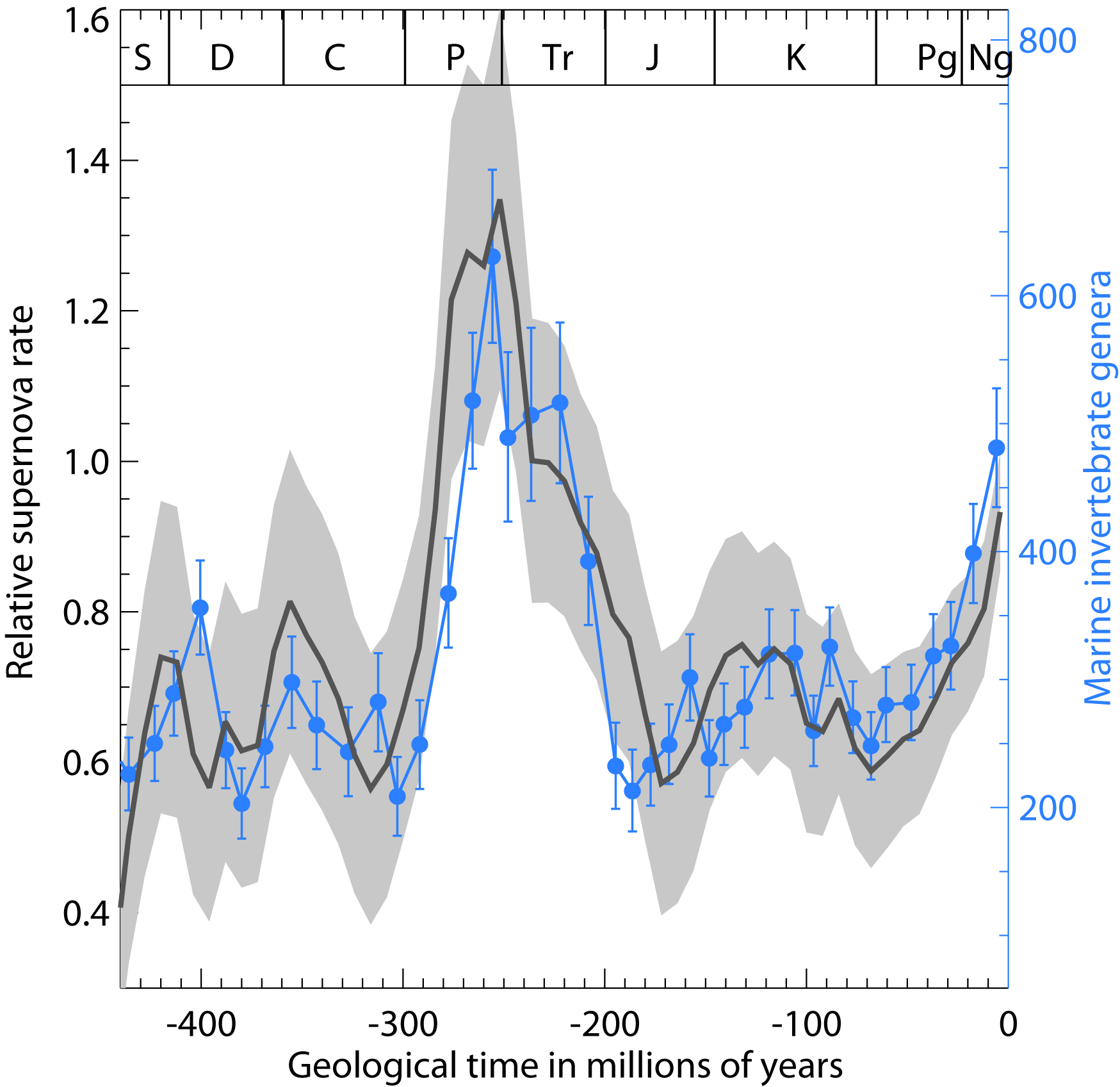
Research suggests that the explosion of massive stars near the Solar System has strongly influenced the development of life.
When the most massive stars exhaust their available fuel and reach the end of their lives, they explode as supernovae, tremendously powerful explosions that are brighter than an entire galaxy of normal stars. The remnants of these dramatic events also release vast numbers of high-energy charged particles known as galactic cosmic rays (GCR). If a supernova is close enough to the Solar System, the enhanced GCR levels can have a direct impact on the atmosphere of the Earth.
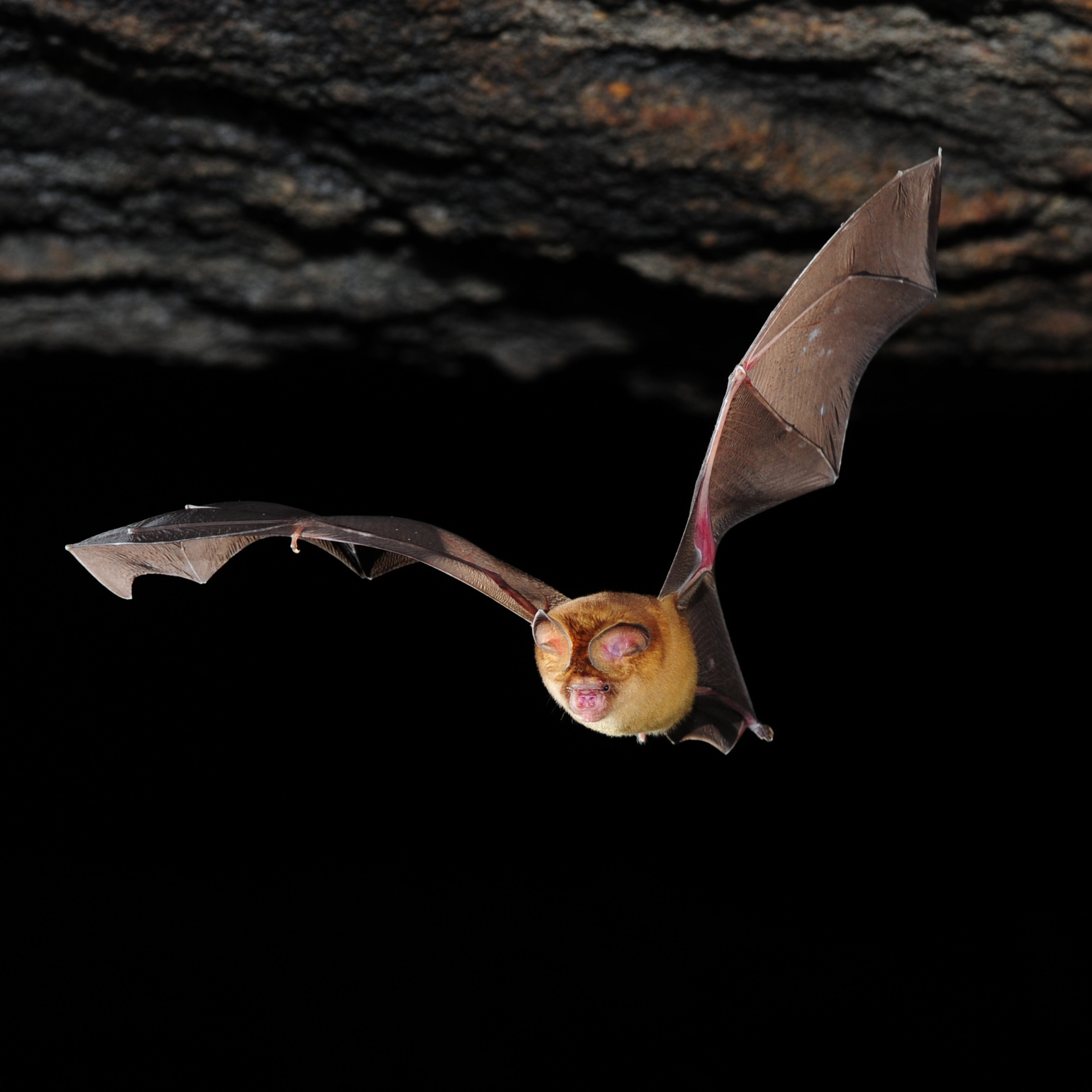
Researchers have discovered the probable cause of several infectious agents at the same time. Paramyxoviruses originate from bats and from there the pathogens have spread to humans and other mammals. In total, the new study tested 9,278 animals for viruses, among them 86 species of bats and 33 rodent species, leading to the discovery of an enormous number of new virus species. This could make eradicating many dangerous diseases significantly more difficult than had been thought. For bats provide a reservoir from which viruses could come back after vaccination campaigns.
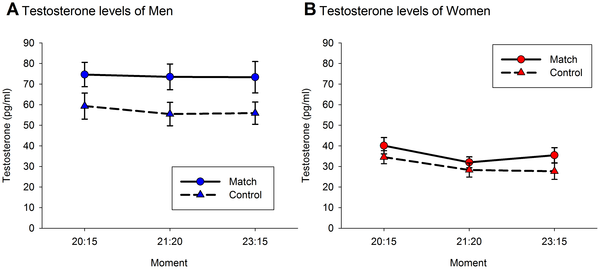
Both testosterone and cortisol levels increased for Spaniards who watched as Spain beat Holland during the 2010 World Cup.
In this study, they analyzed the psychobiological response of men and women watching sports - when the competition’s outcome, victory or defeat, is basically out of their control. Fifty supporters of the Spanish team watched the final in a public space or at home, with their families or friends. The researchers asked for their expectations and feelings before the match, and they checked their testosterone and cortisol levels before, during and after the match.
Researchers have documented the first fossil-based evidence supporting an evolutionary theory of aging, which predicts that species evolving in low mortality and resource-limited ecosystems tend to be more long-lived.
But that is not an endorsement of banning guns and caloric restriction. It's a little more complicated than that.
Climate change is in its fifth decade of being the big concern. In the 1960s and 70s, it was a cooling worry but now there is a warming one. A constant in mammal's surviving numerous climate upheavals throughout earth history has been diversity - the relative range and distribution of mammalian families remained strikingly consistent throughout major climate changes over the past 56 million years.


 Synchrotron Could Shed Light On Exotic Dark Photons
 The Pain Scale Is Broken But This May Fix It
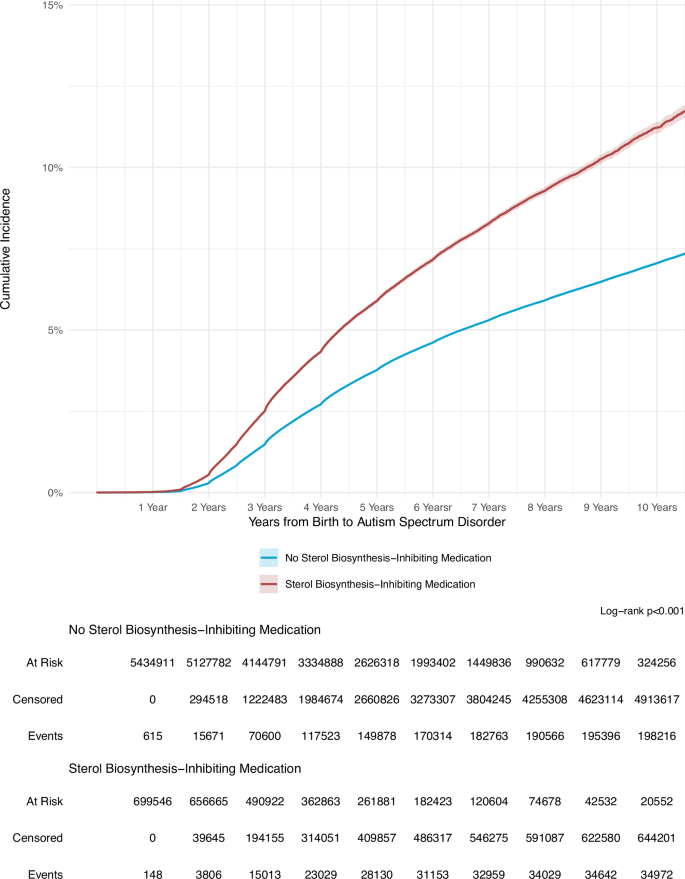 Study Links Antidepressants, Beta-blockers and Statins To Increased Autism Risk
 Pilot Study: Fibromyalgia Fatigue Improved By TENS Therapy