

Banner
Synchrotron Could Shed Light On Exotic Dark Photons

There are many hypothetical particles proposed to explain dark matter and one idea to explore how...

The Pain Scale Is Broken But This May Fix It

Chronic pain is reported by over 20 percent of the global population but there is no scientific...
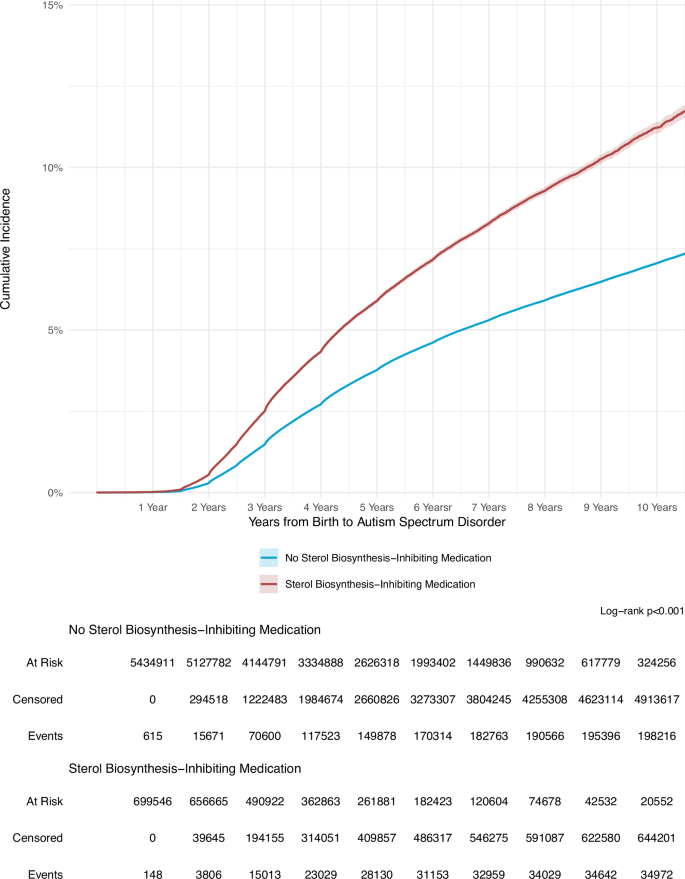
Study Links Antidepressants, Beta-blockers and Statins To Increased Autism Risk

An analysis of 6.14 million maternal-child health records  has linked prescription medications...

Pilot Study: Fibromyalgia Fatigue Improved By TENS Therapy

Fibromyalgia is the term for a poorly-understood condition where people experience pain and fatigue...

User picture.
News StaffRSS Feed of this column.

News Releases From All Over The World, Right To You... Read More »

Blogroll

Researchers have completed the genome sequence for the gorilla, the last genus of the living great apes to have its genome decoded. The results confirm that our closest relative is the chimpanzee but much of the human genome more closely resembles the gorilla than it does the chimpanzee genome.

For the first time, scientists can compare the genomes of all four living great apes: humans, chimpanzees, gorillas and orangutans. This provides a unique perspective on our own origins and is an important resource for research into human evolution and biology, as well as for gorilla biology and conservation.  

The basis of the computing revolution is silicon but that popularity has led to e-waste.  We are okay with iPads being made in Chinese child labor sweat shops but we don't want to damage American landfills after we replace them.

A team from Tel Aviv University may have a solution; biodegradable transistors that are protein-based, essentially composed of organic materials found in...you.
Utopia is a perfect world where we can eat to our heart's content without without getting heart disease or diabetes or even cancer.  In mice, Utopia may be coming closer. Mice with an extra dose of a known anti-cancer gene called Pten lose weight even as their appetites grow. They also live longer - but not just because they aren't getting cancer.

One of the animals' youthful secrets is hyperactive brown fat, which burns energy instead of storing it. The findings add to evidence that tumor suppressors aren't designed only to protect us against cancer, the researchers say. They also point to new treatment strategies aimed to boost brown fat and fight aging.

A mini-medical machine could mean a new power scheme for cardiac pacemakers. Rather than use batteries, engineering researchers at the University of Michigan say they can use vibrations from heartbeats themselves. 

Their new device is designed to harvest energy from the reverberation of heartbeats through the chest and convert those to electricity to run a pacemaker or an implanted defibrillator. By taking the place of the batteries that power them today, the new energy harvester could save patients from repeated surgeries - the only way today to replace the batteries, which last five to 10 years.

A research team has announced discovery of molecular oxygen ions (O2+) in the upper  atmosphere of Dione, one of the 62 known moons orbiting Saturn. 
Forget mitigation and rationing, it is not the way cultures and progress work.  The long-term solution is obviously to engage in basic research and come up with effective clean energy but also to create fewer emissions while development is in progress.

America never migrated to nuclear energy the way the French did so today up to 75 percent of electricity used in the United States is instead produced by coal-burning power plants and that means carbon dioxide (CO2) in the atmosphere and increased risk of global warming. To reduce the impact of current power generation, researchers are searching for porous materials to filter out the CO2 generated by those plants before it reaches the atmosphere, a process commonly known as carbon capture.





