Banner
How To Overcome Leadership Battles

In times of social rancor and strife, most will fight each other, but societies are saved by those...
Thousands Of Unpublished Studies Show Why Conservation Efforts Miss The Mark

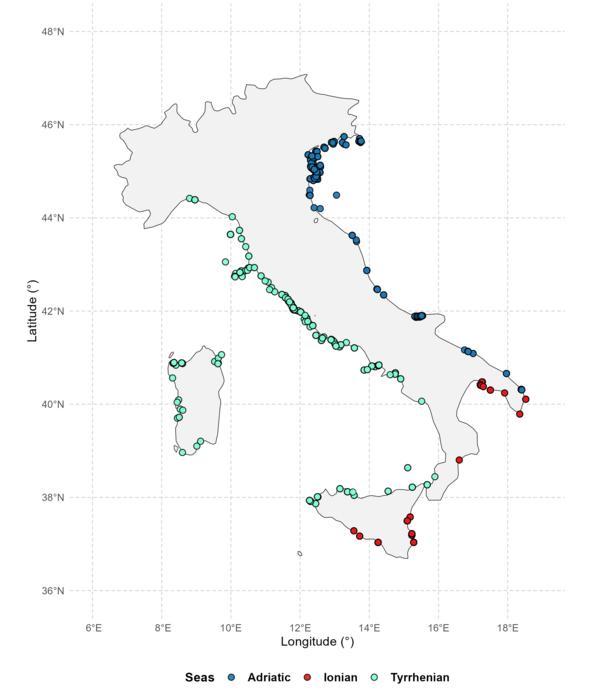
Europe alone has so much unpublished, un-catalogued biological data that it is challenging to take...

Why Antarctic Sea Ice Stopped Growing In 2015

Though numerical models and popular films like An Inconvenient Truth projected Arctic ice...

Wealth Correlated To Loneliness

You may have read that Asian cultures respect the elderly more than Europe but Asian senior citizens...

User picture.
News StaffRSS Feed of this column.

News Releases From All Over The World, Right To You... Read More »

Blogroll
Thanks to savvy marketing by food corporations who are looking for health halos to put over their food, consumer demand for food products formulated without synthetic additives has increased.

There is a big drawback, demonstrated by Chipotle and others who are hoping to make themselves look healthier when selling junk food - it still has to be safe to eat. Additives, synthetic or not, are needed for food safety reasons, so food product developers are faced with the challenge of developing more "natural" additives that can produce comparable in safety results with synthetic versions. 
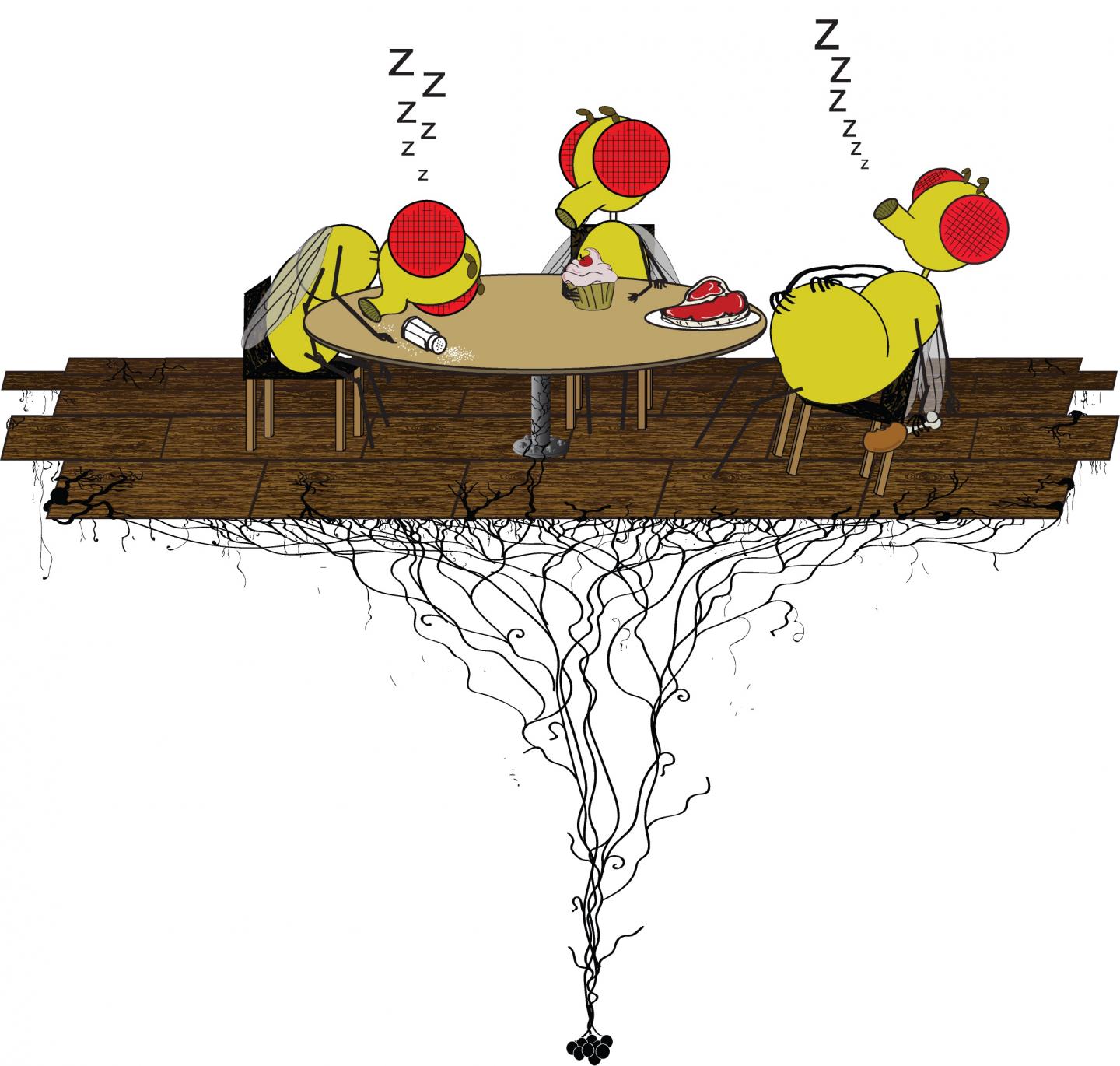
We've all felt sleepy after a big Thanksgiving meal and tryptophan usually gets the bad rap - but there simply isn't enough of it to make a difference. Yet clearly something is making many of us take longer naps after binging on supper.

A recent study examined 'food comas' using the fruit fly Drosophila melanogaster and explained some of the causes behind this phenomenon. They created a system that can measure both the sleep and feeding behaviors of individual fruit flies and discovered that, in much the same way as humans, the animals sleep for longer periods following larger meals. Further studies also revealed that certain types of food can promote post-meal sleep.
It's no secret that smoking causes lung cancer, but lost in the more recent smoke and mirrors about the new war on tobacco is the fact cigarettes are also linked to many other diseases, and the risk is compounded in diabetics who smoke. Diabetes, the kind occurring naturally and the lifestyle type 2 version, is a chronic illness in which there are high levels of glucose in the blood. More than 29 million people in the U.S. have diabetes, up from the previous estimate of 26 million in 2010, according to a report released by the Centers for Disease Control and Prevention. One in four people with diabetes doesn't know he or she has it. Like smoking, having diabetes can also put people at risk for numerous other health complications.

People may soon be able to watch their unborn babies grow in realistic 3-D immersive visualizations, thanks to new technology that transforms MRI and ultrasound data into a 3-D virtual reality model of a fetus. MRI provides high-resolution fetal and placental imaging with excellent contrast. It is generally used in fetal evaluation when ultrasound cannot provide sufficiently high-quality images. 

 According to the Centers for Disease Control and Prevention (CDC), obesity has more than quadrupled in adolescents over the past 30 years and it is estimated that more than one-third of kids and adolescents in the U.S. are at least overweight. Obesity in childhood and adolescence is associated with a number of later health risks, such as cardiovascular disease and type 2 diabetes.
In what will send cheers throughout the parenting community, a new paper suggest that helping care for grandchildren might affect the well-being of older adults. Caregivers' feelings partly depend on their perception of the experience, as well as on how they are treated by their family and by the community.  

The researchers looked at information from the "Population Study of Chinese Elderly (PINE)," which examined more than 3,000 Chicago-area Chinese-Americans aged 60 and older between 2011 and 2013. The participants answered questions to screen for depression, anxiety, stress, loneliness, and other factors affecting their health and well-being.