Banner
Synchrotron Could Shed Light On Exotic Dark Photons

There are many hypothetical particles proposed to explain dark matter and one idea to explore how...

The Pain Scale Is Broken But This May Fix It

Chronic pain is reported by over 20 percent of the global population but there is no scientific...
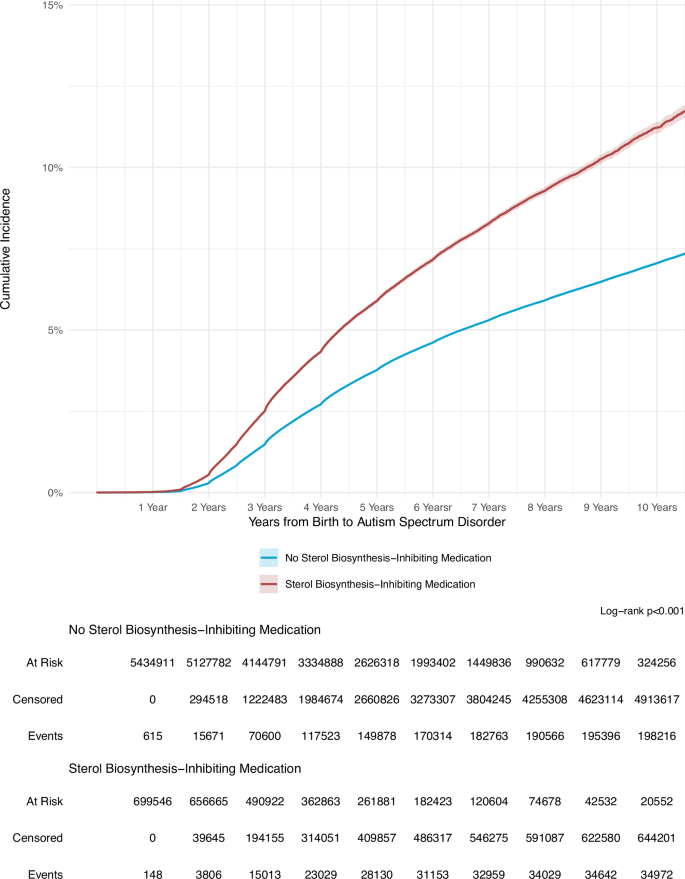
Study Links Antidepressants, Beta-blockers and Statins To Increased Autism Risk

An analysis of 6.14 million maternal-child health records  has linked prescription medications...

Pilot Study: Fibromyalgia Fatigue Improved By TENS Therapy

Fibromyalgia is the term for a poorly-understood condition where people experience pain and fatigue...

User picture.
News StaffRSS Feed of this column.

News Releases From All Over The World, Right To You... Read More »

Blogroll
The redox-active pigments responsible for the blue-green stain of the mucus that clogs the lungs of children and adults with cystic fibrosis (CF) are primarily signaling molecules that allow large clusters of the opportunistic infection agent, Pseudomonas aeruginosa, to organize themselves into structured communities, report Massachusetts Institute of Technology geobiologists at American Society for Cell Biology (ASCB) 48th Annual Meeting, Dec. 13-17, 2008 in San Francisco.

For decades, these pigments, called phenazines, have been wrongly regarded as antibiotics, generated by P. aeruginosa, to kill off the microbe's bacterial competitors in the lungs. 
Unparalleled warming over the last few decades has triggered widespread ecosystem changes in many temperate North American and Western European lakes, say researchers at Queen's University and the Ontario Ministry of the Environment.

The team reports that striking changes are now occurring in many temperate lakes similar to those previously observed in the rapidly warming Arctic, although typically many decades later. The Arctic has long been considered a "bellwether" of what will eventually happen with warmer conditions farther south.
Raw milk advocates claim that unpasteurized milk cures or prevents disease, but no scientific evidence supports this notion. Testing raw milk, which has been suggested as an alternative to pasteurization, cannot ensure a product that is 100 percent safe and free of pathogens. Pasteurization remains the best way to reduce the unavoidable risk of contamination, according to the authors of a review published in the January 1, 2009 issue of Clinical Infectious Diseases which examines the dangers of drinking raw milk.
The closer scientists look at Saturn's small moon Enceladus, the more they find evidence of an active world. The most recent flybys of Enceladus made by NASA's Cassini spacecraft have provided new signs of ongoing changes on and around the moon. The latest high-resolution images of Enceladus show signs that the south polar surface changes over time.
CLS, a subsidiary of the French Space Agency (CNES), acting through its new radar applications division (formerly the BOOST Technologies Company), wants you to know they can use Envisat radar imagery to operationally observe oceans at high resolution so they're observing meteorological conditions in the track of the Vendee Globe solo round-the-world yacht race. 

Based on the trajectory and speed of the boats, CLS is acquiring data over the area skippers will be sailing into slightly ahead of their arrival time in order to monitor the metocean conditions.  
Researchers have figured out why a respiratory syncytial virus vaccine used in 1966 to inoculate children against the infection instead caused severe respiratory disease and effectively stopped efforts to make a better one. The findings in Nature Medicine could restart work on effective killed-virus vaccines not only for RSV but other respiratory viruses, researchers say. They also say the new findings debunk a popular theory that the 1966 vaccine was ineffective because the formalin used to inactivate the virus disrupted critical antigens, the substances that stimulate the production of protective antibodies.