Banner
Synchrotron Could Shed Light On Exotic Dark Photons

There are many hypothetical particles proposed to explain dark matter and one idea to explore how...

The Pain Scale Is Broken But This May Fix It

Chronic pain is reported by over 20 percent of the global population but there is no scientific...
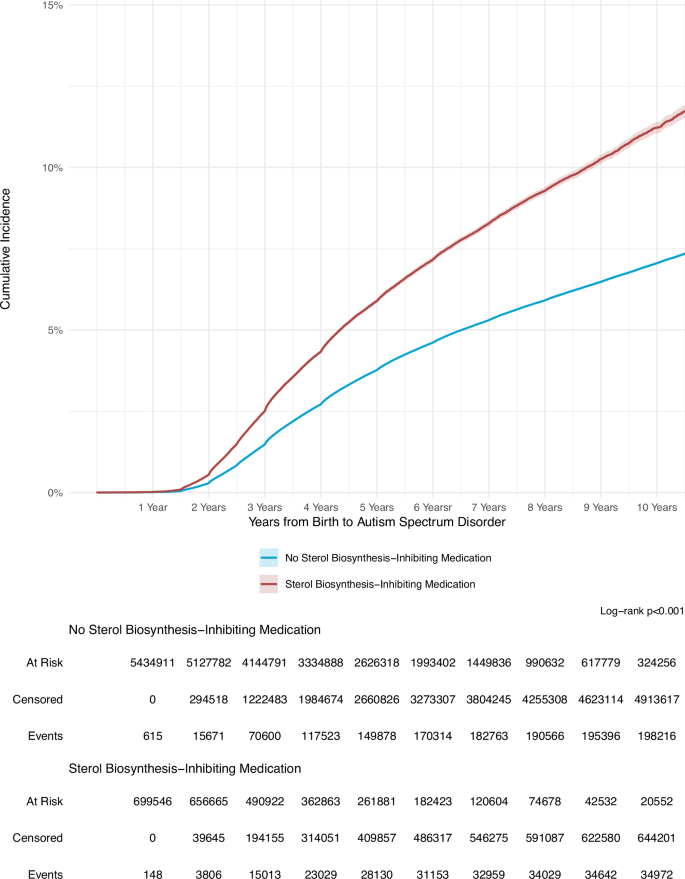
Study Links Antidepressants, Beta-blockers and Statins To Increased Autism Risk

An analysis of 6.14 million maternal-child health records  has linked prescription medications...

Pilot Study: Fibromyalgia Fatigue Improved By TENS Therapy

Fibromyalgia is the term for a poorly-understood condition where people experience pain and fatigue...

User picture.
News StaffRSS Feed of this column.

News Releases From All Over The World, Right To You... Read More »

Blogroll
The phrase "empty nest" can conjure up images of sad and lonely parents sitting at home, twiddling their thumbs, waiting for their children to call or visit. However, a new study, reported in Psychological Science, a journal of the Association for Psychological Science, suggests that an empty nest may have beneficial effects on the parents' marriage.

University of California, Berkeley psychologists Sara M. Gorchoff, Oliver P. John and Ravenna Helson tracked the marital satisfaction of a group of women over 18 years, from the time they were in their 40s to when they were in their early 60s.

In developing a model to explain the motion of atoms in a magnetic field, scientists have overcome a decades-old obstacle to understanding a key component of magnetic resonance.

The new understanding may eventually lead to better control of magnetic resonance imaging (MRI) and higher resolution MRI diagnoses.

Collaborators at Ohio State University in Columbus and three institutions in France--the Centre National de la Recherche Scientifique, the Université d'Orléans, and the Université de Lyon--presented their findings in a paper published in the Journal of Chemical Physics.

A dual-headed dedicated gamma camera used during molecular breast imaging (MBI) can accurately detect small breast tumors less than 2 cm in size, according to a study performed at the Mayo Clinic in Rochester, MN.

One-hundred fifty patients who had suspicious lesions smaller than 2 cm in size were imaged using dual-head molecular breast imaging. “There were 128 cancers confirmed in 88 patients,” according to Carrie B. Hruska, MD, lead author of the study. “The sensitivity rate of dual-head MBI during the study was 90% (115/128)”, she said.
Are consumers under too much pressure to be healthy? Has the global financial crisis sidelined the promotion of sustainable food? And how much do consumers actually know or care about the subject?

A stunning discovery based on epigenetics (the inheritance of propensities acquired in the womb) reveals that consuming choline—a nutrient found in eggs and other foods—during pregnancy may significantly affect breast cancer outcomes for a mother's offspring. This finding by a team of biologists at Boston University is the first to link choline consumption during pregnancy to breast cancer. It also is the first to identify possible choline-related genetic changes that affect breast cancer survival rates.

"We've known for a long time that some agents taken by pregnant women, such as diethylstibesterol, have adverse consequences for their daughters," said Gerald Weissmann, M.D., Editor-in-Chief of The FASEB Journal. "But there's an upside.

A study published  this month in Clinical Immunology, the official journal of the Clinical Immunology Society (CIS), describes a new method that facilitates the induction of a specific type of immune suppressive cells, called 'regulatory T cells' for therapeutic use. These immune suppressive cells show great potential for the treatment of autoimmune diseases and improving transplantation outcomes.