Banner
Pilot Study: Fibromyalgia Fatigue Improved By TENS Therapy

Fibromyalgia is the term for a poorly-understood condition where people experience pain and fatigue...

High Meat Consumption Linked To Lower Dementia Risk

Older people who eat large amounts of meat have a lower risk of dementia and cognitive decline...

Long Before The Inca Colonized Peru, Natives Had A Thriving Trade Network

A new DNA analysis reveals that long before the Incan Empire took over Peru, animals were...

Mesolithic People Had Meals With More Tradition Than You Thought

The common imagery of prehistoric people is either rooting through dirt for grubs and picking berries...

User picture.
News StaffRSS Feed of this column.

News Releases From All Over The World, Right To You... Read More »

Blogroll

Our experiences –the things we see, hear, or do—can trigger long-term changes in the strength of the connections between nerve cells in our brain, and these persistent changes are how the brain encodes information as memory. Johns Hopkins researchers have discovered a new biochemical mechanism for memory storage, one that may have a connection with addictive behavior.

Previously, the long-term changes in connection were thought to only involve a fast form of electrical signaling in the brain, electrical blips lasting about one-hundredth of a second. Now, neuroscience professor David Linden, Ph.D., and his colleagues have shown another, much slower form of electrical signaling lasting about a second can also be persistently changed by experience.

Alcoholism has traditionally been considered a male disease because there are many more alcoholic males than females.

But a new study by researchers at Oregon Health & Science University and the Portland Veterans Affairs Medical Center suggests that women are more prone to brain damage from alcohol abuse than men.

The study led by Kristine Wiren, Ph.D., associate professor of behavioral neuroscience and medicine, OHSU School of Medicine, and research biologist, PVAMC Research Service, found that female mice are more susceptible to neurotoxic effects of alcohol withdrawal, including significantly increased brain cell death, than male mice.

Researchers from Boston University School of Medicine (BUSM) have found that the statin, simvastatin, reduces the incidence of Alzheimer’s disease and Parkinson’s disease by almost 50 percent. This is the first study to suggest that statins might reduce the incidence of Parkinson’s disease. These findings, will be published in the July online open access journal BioMed Central (BMC) Medicine.

Alzheimer’s disease or dementia is one of the major public health threats that individuals face as they age. Statins are a class of medications that reduce cholesterol by inhibiting HMG-CoA reductase.

It's not often that people are concerned there aren't enough deaths, but it's happening in the UK.

Thanks to lifestyle changes and effective treatments, deaths from coronary heart disease have been steadily falling since the late 1960s, say the authors of a new study in the journal Heart.

But rising trends in obesity and diabetes threaten to halt or even reverse the “hard fought gains” in cutting deaths from heart disease, they warn. And these trends are much more likely to become apparent among younger Britons first, say the authors.

Very young babies are vulnerable to sudden death, when seated, warns a study published ahead of print in the Archives of Disease in Childhood.

Babies less than a month old are most at risk, the research indicates.

The researchers base their findings on an analysis of all sudden unexpected deaths occurring among babies up to 12 months of age in the Canadian Province of Quebec between 1991 and 2000.

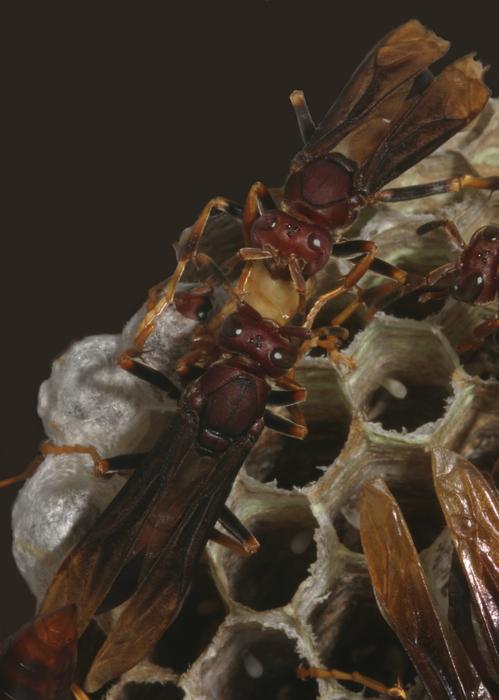
Evolution isn't always obvious and some new species haven't been identified because their outward appearance masks their genetic differences.

Research published in BMC Evolutionary Biology suggests that the phenomenon of different animal species not being visually distinct despite other significant genetic differences is widespread in the animal kingdom. DNA profiles and distinct mating groups are the only way to spot an evolutionary splinter group from their look-alike cousins, introducing uncertainty to biodiversity estimates globally.