
Banner
How To Overcome Leadership Battles

In times of social rancor and strife, most will fight each other, but societies are saved by those...
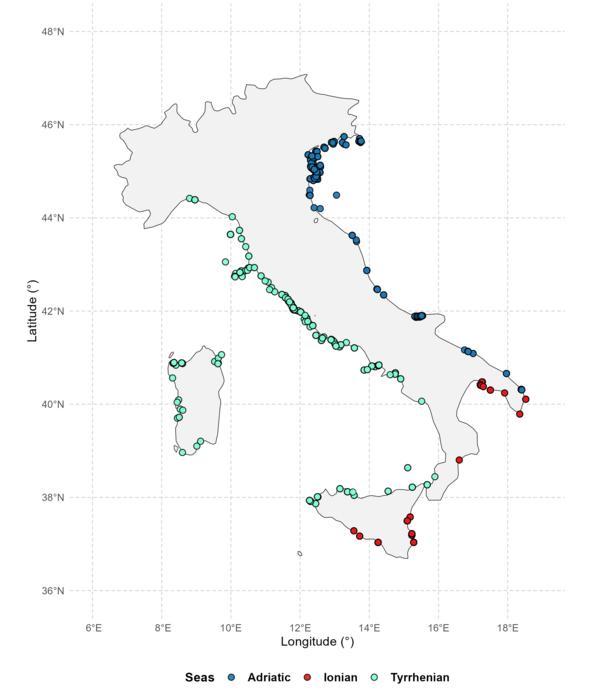
Thousands Of Unpublished Studies Show Why Conservation Efforts Miss The Mark

Europe alone has so much unpublished, un-catalogued biological data that it is challenging to take...

Why Antarctic Sea Ice Stopped Growing In 2015

Though numerical models and popular films like An Inconvenient Truth projected Arctic ice...
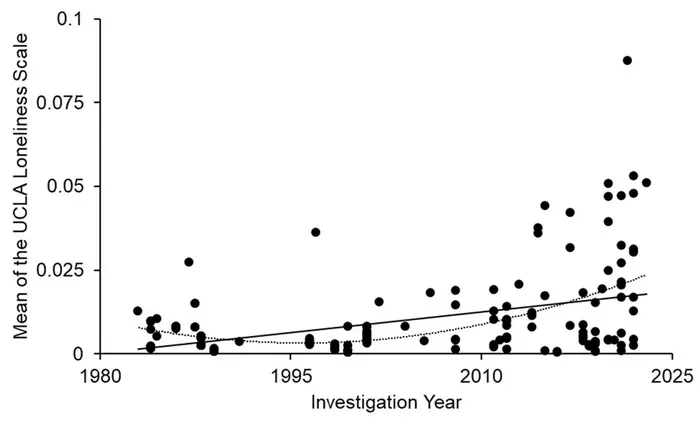
Wealth Correlated To Loneliness

You may have read that Asian cultures respect the elderly more than Europe but Asian senior citizens...

User picture.
News StaffRSS Feed of this column.

News Releases From All Over The World, Right To You... Read More »

Blogroll

A wide variety of public policies affect alcohol purchases, consumption, and traffic fatalities, The two alcohol-control policies that have been most-clearly demonstrated to reduce youth consumption and traffic deaths are raising the minimum legal drinking age (MLDA) and raising beer taxes. Researchers have evaluated the independent effectiveness of these and many other policies. A new study finds that the effectiveness of any particular policy depends on what other policies are also in place.

Researchers and clinicians already know that alcohol abuse and/or dependence can lead to severe and potentially irreversible brain damage. It is also known that women, when compared to men, seem to become more "damaged" by chronic alcohol abuse within a shorter period of drinking and with less overall consumption. A new study shows that female alcoholics may also sustain greater cognitive damage than male alcoholics.

For nearly a century, anthropologists have been debating the relationship of Neanderthals to modern humans. Central to the debate is whether Neanderthals contributed directly or indirectly to the ancestry of the early modern humans that succeeded them.

As this discussion has intensified in the past decades, it has become the central research focus of Erik Trinkaus, Ph.D., professor of anthropology at Washington University in St. Louis. Trinkaus has examined the earliest modern humans in Europe, including specimens in Romania, Czech Republic and France. Those specimens, in Trinkaus' opinion, have shown obvious Neanderthal ancestry.

Oregon Health & Science University neuroscientists are eyeing a protein as a potential therapeutic target for multiple sclerosis because de-activating it protects nerve fibers from damage.

OHSU researchers, working with colleagues at the Portland Veterans Affairs Medical Center and the University of Padova in Italy, have shown that genetically inactivating a protein called cyclophilin D can protect nerve fibers in a mouse model of multiple sclerosis. Cyclophin D is a key regulator of molecular processes in the nerve cell's powerhouse, the mitochondrion, and can participate in nerve fiber death. Inactivating cyclophilin D strengthens the mitochondrion, helping to protect nerve fibers from injury.

A relative of the anti-aging gene Klotho helps activate a hormone that can lower blood glucose levels in fat cells of mice, making it a novel target for developing drugs to treat human obesity and diabetes, UT Southwestern Medical Center researchers have found.

In a study available online and in the Proceedings of the National Academy of Sciences, the researchers show that a type of Klotho protein binds to receptors for a metabolic hormone in fat cells, forming a "co-receptor" that enables the hormone to stimulate the processing of glucose, the body’s main source of fuel. The Klotho gene has previously been found to play a role in prolonging the life of mice partly by controlling insulin.

Research led by Dartmouth scientists found that animals fed nutritious, high-quality food end up with much lower concentrations of toxic methylmercury in their tissues. The result suggests ways in which methylmercury—a neurotoxin that can accumulate to hazardous levels—can be slowed in its passage up the food chain to fish.

"This research provides evidence that by eating high-quality food, organisms may reduce their bodily concentration of a contaminant," said lead author Roxanne Karimi, a graduate student in the Dartmouth Department of Biological Sciences. "These findings allow us to predict the conditions under which freshwater fish are likely to carry relatively high mercury levels."