

Banner
How To Overcome Leadership Battles

In times of social rancor and strife, most will fight each other, but societies are saved by those...

Thousands Of Unpublished Studies Show Why Conservation Efforts Miss The Mark

Europe alone has so much unpublished, un-catalogued biological data that it is challenging to take...

Why Antarctic Sea Ice Stopped Growing In 2015

Though numerical models and popular films like An Inconvenient Truth projected Arctic ice...
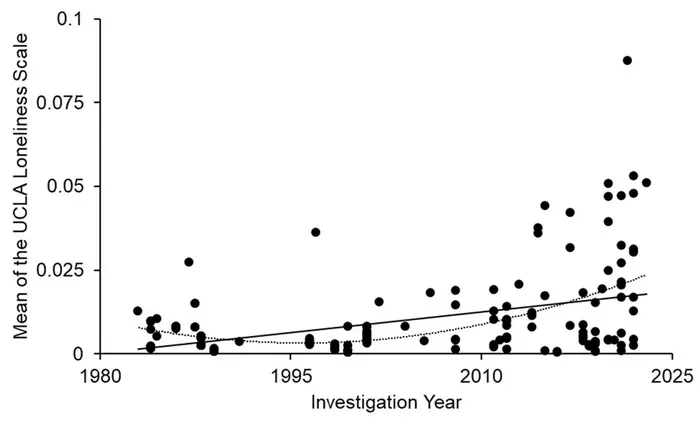
Wealth Correlated To Loneliness

You may have read that Asian cultures respect the elderly more than Europe but Asian senior citizens...

User picture.
News StaffRSS Feed of this column.

News Releases From All Over The World, Right To You... Read More »

Blogroll

When motor neurons damaged by amyotrophic lateral sclerosis (ALS), or Lou Gehrig’s disease, inappropriately send the wrong signal, immune cells react by killing the messenger. Their surprising finding provides new direction for therapies to treat ALS.

The study was conducted in the laboratory of Don Cleveland, Ph.D., UCSD Professor of Medicine, Neurosciences and Cellular and Molecular Medicine and member of the Ludwig Institute for Cancer Research and will be published online April 27 in advance of publication in the journal Proceedings of the National Academy of Sciences.

Large swaths of garbled human DNA once dismissed as junk appear to contain some valuable sections, according to a new study by researchers at the Stanford University School of Medicine and the University of California-Santa Cruz. The scientists propose that this redeemed DNA plays a role in controlling when genes turn on and off.

Scientists have determined that a specific class of PCB causes significant developmental abnormalities in rat pups whose mothers were exposed to the toxicant in their food during pregnancy and during the early weeks when the pups were nursing.

Polychlorinated biphenyls (PCBs), used mostly as coolants and lubricants beginning in the 1930s, were banned in 1977. Early toxicology studies focused mostly on a subset of PCBs known as coplanar PCBs, which were shown in cell culture and animal models to pose a serious health risk. Recent studies, however, have shown that non-coplanar PCBs are particularly stable, are less susceptible to degradation by organisms in the environment, and predominate in environmental and human tissue samples over their counterparts.

A rigorous, long-term study of quality of life in patients who underwent one of the three most common treatments for prostate cancer found that each affected men's lives in different ways. The findings provide invaluable information for men with prostate cancer who are facing vital treatment decisions.

Researchers studied quality of life in men who either underwent radical prostatectomy, implantation of radioactive seeds in their prostate gland or had external beam radiation therapy. The three treatment options rank about equally in survival outcomes for most men, so specific impacts on quality of life become paramount in making treatment decisions, said Dr. Mark Litwin, the study's lead author and a researcher at UCLA's Jonsson Cancer Center.

New research on companies that sprint to rapidly gain market share is revealing the danger of pursuing sudden massive growth, according to the Management Insights feature in the April issue of Management Science.

Why do east Asian lung cancer patients respond better to chemotherapy than other ethnic groups? The answer could be useful in tailoring cancer treatments to individual patients.

"Genetic differences may help explain why so many Asian women who never smoked develop lung cancer," said Dr. Adi Gazdar, professor of pathology at UT Southwestern and senior author of a study appearing online today in Public Library of Science Medicine.





