
Banner
Thousands Of Unpublished Studies Show Why Conservation Efforts Miss The Mark

Europe alone has so much unpublished, un-catalogued biological data that it is challenging to take...

Why Antarctic Sea Ice Stopped Growing In 2015

Though numerical models and popular films like An Inconvenient Truth projected Arctic ice...
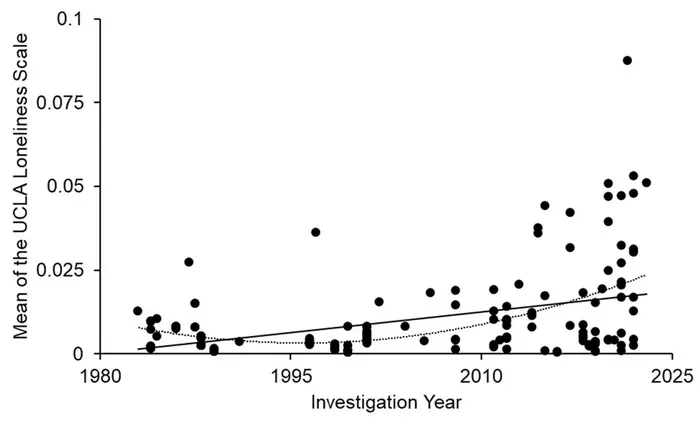
Wealth Correlated To Loneliness

You may have read that Asian cultures respect the elderly more than Europe but Asian senior citizens...

Ousiometrics Analysis Says All Human Language Is Biased

A new tool drawing on billions of uses of more than 20,000 words and diverse real-world texts claims...

User picture.
News StaffRSS Feed of this column.

News Releases From All Over The World, Right To You... Read More »

Blogroll

Despite research efforts to find modern factors that would explain the different life expectancies of men and women, the gap is actually ancient and universal, according to University of Michigan researchers.

"Women live longer in almost every country, and the sex difference in lifespan has been recognized since at least the mid-18th century," said Daniel J. Kruger, a research scientist in the U-M School of Public Health and the Institute for Social Research. "It isn't a recent trend; it originates from our deep evolutionary history."

Although women consume less alcohol than men, they are more susceptible to some of the negative medical consequences of alcohol use, such as cirrhosis of the liver, cardiac disease, and cognitive impairments. Animal studies have also shown that males and females differ on behavioral as well as electrophysiological measures of alcohol's effects.

Second-hand smoke, also known as environmental tobacco smoke or ETS, is clearly associated with cancer, respiratory and cardiovascular disease in humans. Several studies have shown that up to 20 different carcinogens contained in tobacco smoke can be inhaled by non-smoking bystanders.

Dr. Timothy Fan, veterinary oncologist at the University of Illinois Veterinary Teaching Hospital in Urbana, explains that although associations between ETS and diseases in animals have not been as extensively researched, a handful of studies show a correlation between ETS and certain forms of cancer in pets.

Cats living in homes where people smoke cigarettes are more than twice as likely as other cats to acquire a deadly form of cancer known as feline lymphoma, according to a first-of-its kind study in cats conducted by scientists at Tufts University School of Veterinary Medicine and the University of Massachusetts.

The study, entitled "Environmental Tobacco Smoke and Risk of Malignant Lymphoma in Pet Cats," was published in the American Journal of Epidemiology. The authors conclude that these findings offer a compelling reason for further study of the relationship between passive smoke and non-Hodgkins lymphoma in humans, which is similar to lymphoma in cats.

A drug commonly used to treat severe acne can lead to depressive behaviour in mice, according to research published in the journal Neuropsychopharmacology.

Since the drug’s introduction in the early 1980s there have been controversial reports of depression and suicidal behaviour that may have occurred in some people taking Roaccutane (Accutane in the US).

This has led to the drug’s manufacturers, Roche, including a warning in the product information that taking the medication may cause depression, psychosis and suicidal behaviour.

Electrical deep brain stimulation can dramatically alleviate depression that is resistant to other treatments, researchers have found in an initial study on six patients. The finding is important, they said, because up to 20 percent of patients with depression fail to respond to standard treatments--requiring combinations of antidepressant drugs, psychotherapy, and electroconvulsive treatment (ECT) that still may fail. The number of resistant depression patients can be large, since depression is the leading source of disability in adults under age 50 in North America.