Banner
Ousiometrics Analysis Says All Human Language Is Biased

A new tool drawing on billions of uses of more than 20,000 words and diverse real-world texts claims...

Wavelengths Of Light Are Why CO2 Cools The Upper Atmosphere But Warms Earth

There are concerns about projected warming on the Earth’s surface and in the lower atmosphere...

Here's Where Your Backyard Was 300 Million Years Ago

We may use terms like "grounded" and terra firma to mean stability and consistency but geology...

Convergent Evolution Cheat Sheet Now 120 Million Years Old

One tenet of natural selection is a random walk of genes but nature may be more predictable than...

User picture.
News StaffRSS Feed of this column.

News Releases From All Over The World, Right To You... Read More »

Blogroll

This news release is available in German.

Humans didn't cause problems for everything we get blamed for but DNA evidence in a paper suggests that the ancient New Zealand megaherbivore, moa, a distant relative of the Australian Emu, did go extinct shortly after Polynesians arrived  in the late 1200s.

All nine species of New Zealand moa, the largest weighing up to 250 kilograms, have been gone for centuries and other studies suggest that huge populations of moa had collapsed before people arrived and hence influences other than people were responsible for the extinction, like climate change killing the vegetation. Instead, the authors say humans killed the environment and that killed the moa.

In 2011, Rice Religious Studies graduate student Grant Adamson was doing a summer internship at Brigham Young University and tackled something that no one had been able to do in a hundred years - he deciphered 1,800-year-old letter from an Egyptian solider serving in a Roman legion in Europe.

While young people always think their situation is exceptional and previous generations just don't understand, the letter shows the Roman soldier had many feelings similar to what some soldiers feel today.

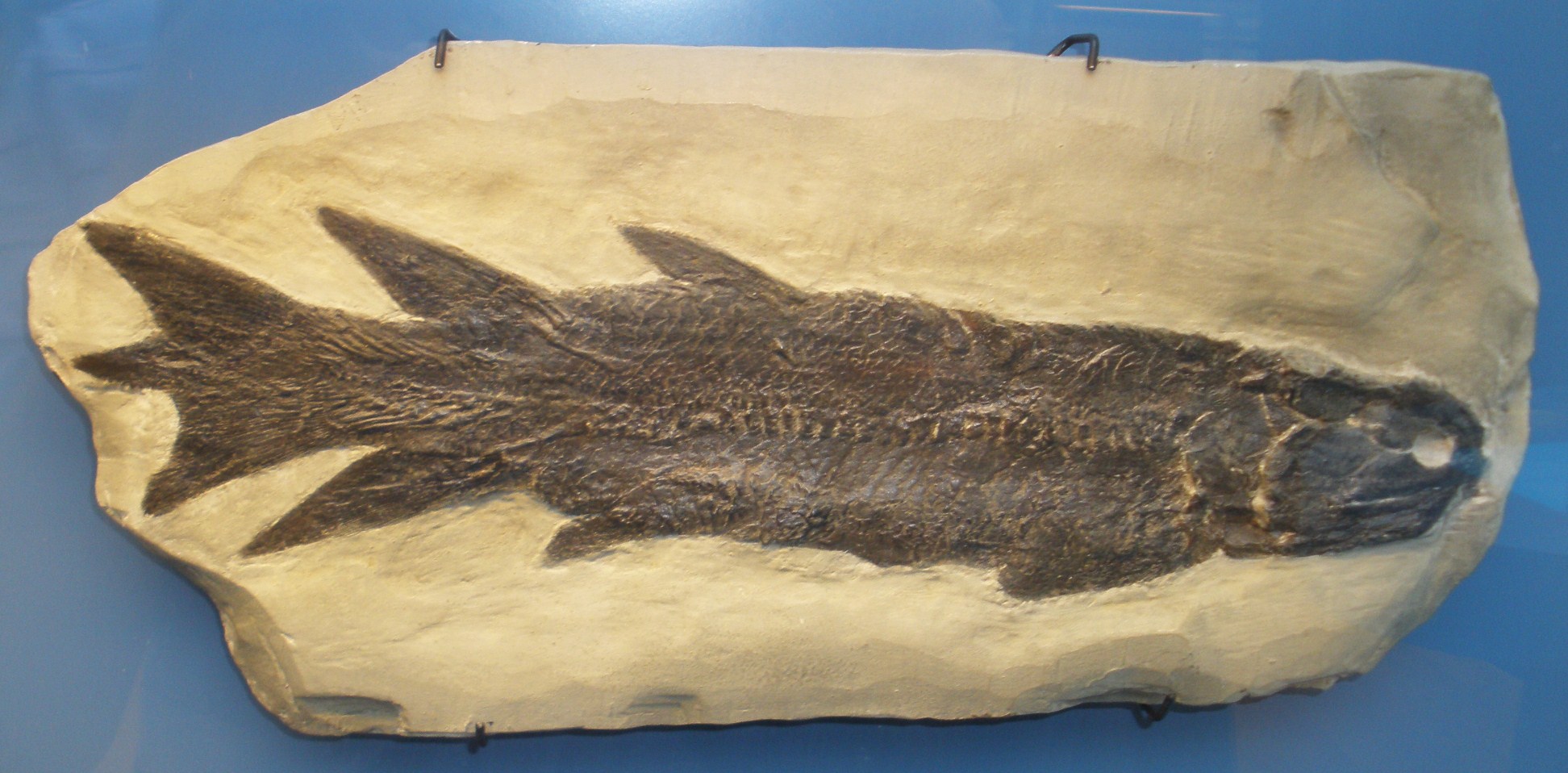
Researchers have found the earliest fossil evidence for the presence of bone marrow in the fin of a 370 million-year-old fish,
Eusthenopteron, a Devonian lobe-finned fish from Miguasha in Canada that is closely related to the first tetrapods.

According to Dr. Fletcher, typical approaches for evaluating anti-obesity type drugs rely on more subjective methods—like having test subjects self-report their ratings of hunger and cravings.

"When a person is asked how much they subjectively desire a food, they may feel pressured to give a 'correct' rather than a true answer," said Dr. Fletcher, "[Our] grip force task may, under certain circumstances, present a more accurate reflection of what they really want."

The heart disease drug perhexiline is one of 101 compounds predicted to prevent cancer growth in most patients suffering from our most common liver cancer, HCC. This is an outcome from a novel simulation-based approach using personal sets of proteins of six HCC patients.

"This is the first time personalized models have been used to find and evaluate new potential drugs," says Professor Jens Nielsen at Chalmers University of Technology.
--