Banner
Ousiometrics Analysis Says All Human Language Is Biased

A new tool drawing on billions of uses of more than 20,000 words and diverse real-world texts claims...

Wavelengths Of Light Are Why CO2 Cools The Upper Atmosphere But Warms Earth

There are concerns about projected warming on the Earth’s surface and in the lower atmosphere...

Here's Where Your Backyard Was 300 Million Years Ago

We may use terms like "grounded" and terra firma to mean stability and consistency but geology...

Convergent Evolution Cheat Sheet Now 120 Million Years Old

One tenet of natural selection is a random walk of genes but nature may be more predictable than...

User picture.
News StaffRSS Feed of this column.

News Releases From All Over The World, Right To You... Read More »

Blogroll
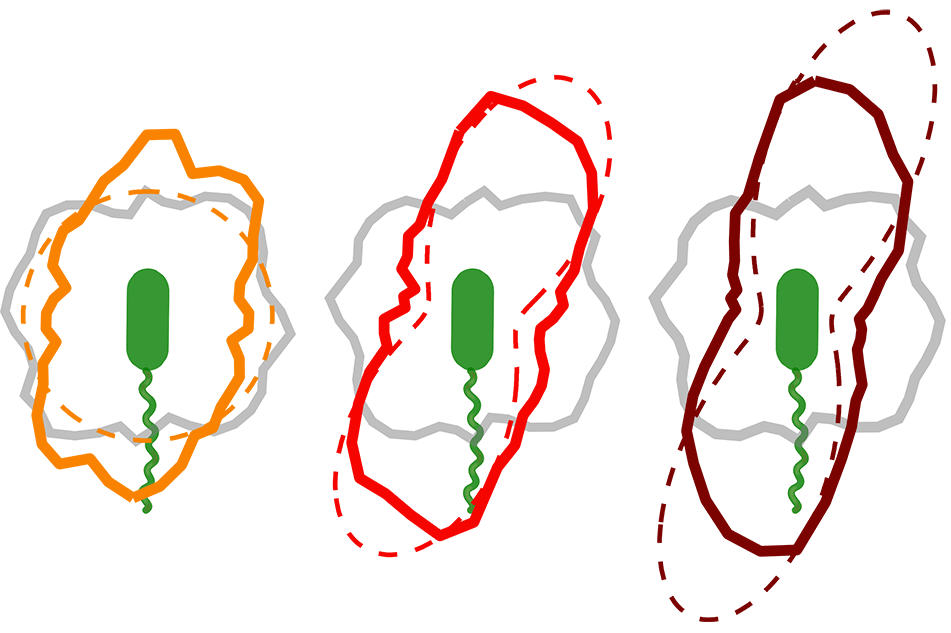
A new study finds that bacterial movement is impeded in flowing water, enhancing the likelihood that the microbes will attach to surfaces, which sheds some new light on how infections take hold in medical devices.

The findings were the result of microscopic analysis of bacteria inside microfluidic devices and combined experimental observations with mathematical modeling. The study showed that the flow of liquid can have two significant effects on microbes: “It quenches the ability of microbes to chase food,” says co-author Roman Stocker, an assitant professor of civil engineering at MIT, “and it helps microbes find surfaces.”

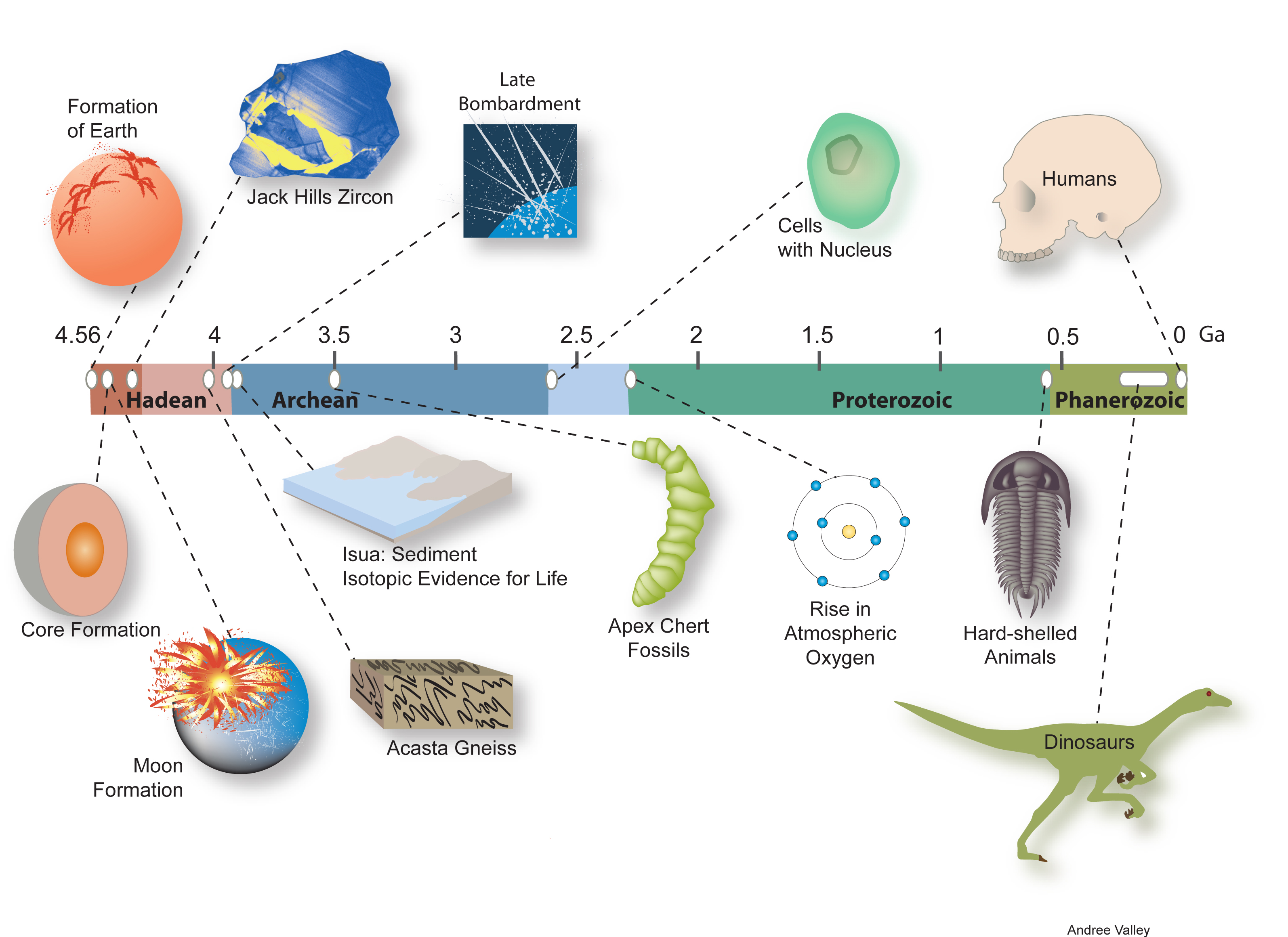
Zircon crystals from Western Australia's Jack Hills region crystallized 4.4 billion years ago, building on earlier studies that used lead isotopes to date Australian zircons and identify them as the oldest bits of the Earth's crust. The microscopic zircon crystal is now confirmed to be the oldest known material of any kind formed on Earth. 

A new study strengthens the theory of a "cool early Earth," where temperatures were low enough for liquid water, oceans and a hydrosphere not long after the planet's crust congealed from a sea of molten rock. The study reinforces the belief that Earth had a hydrosphere before 4.3 billion years ago and possibly life not long afte.

The upside to global warming might be milder winters. This would naturally lead to fewer deaths to due cold but an analysis of data from the past 60 years shows that is not likely.

Polio is an incurable, crippling, contagious and possibly fatal viral disease. The United States last experienced a polio epidemic in the 1950s, before a vaccine was introduced. 

Today, it has been eradicated from most of the planet, but a polio-like syndrome has been found in a cluster of children from California over a one-year period, according to a case report released today.

Can diet give you a better memory?

It seems to, at least when it comes to an animal cognition test using lemurs. A study of five lemur species found that fruit-eatershad better spatial memory than lemurs with a more varied diet. The researchers conclude that relying on foods that are seasonally available and far-flung gives a competitive edge to individuals with certain cognitive abilities - such as remembering where the food is.

The Interface Region Imaging Spectrometer (IRIS) mission studies the chromosphere, that layer of the sun's atmosphere that is key to regulating the flow of energy and material as they travel from the sun's surface out into space.

Along the way, the energy heats up the upper atmosphere, the corona, and sometimes powers solar events such as this flare. IRIS is equipped with a spectrograph that can separate out the light it sees into its individual wavelengths, which in turn correlates to material at different temperatures, velocities and densities.