
Banner
Ousiometrics Analysis Says All Human Language Is Biased

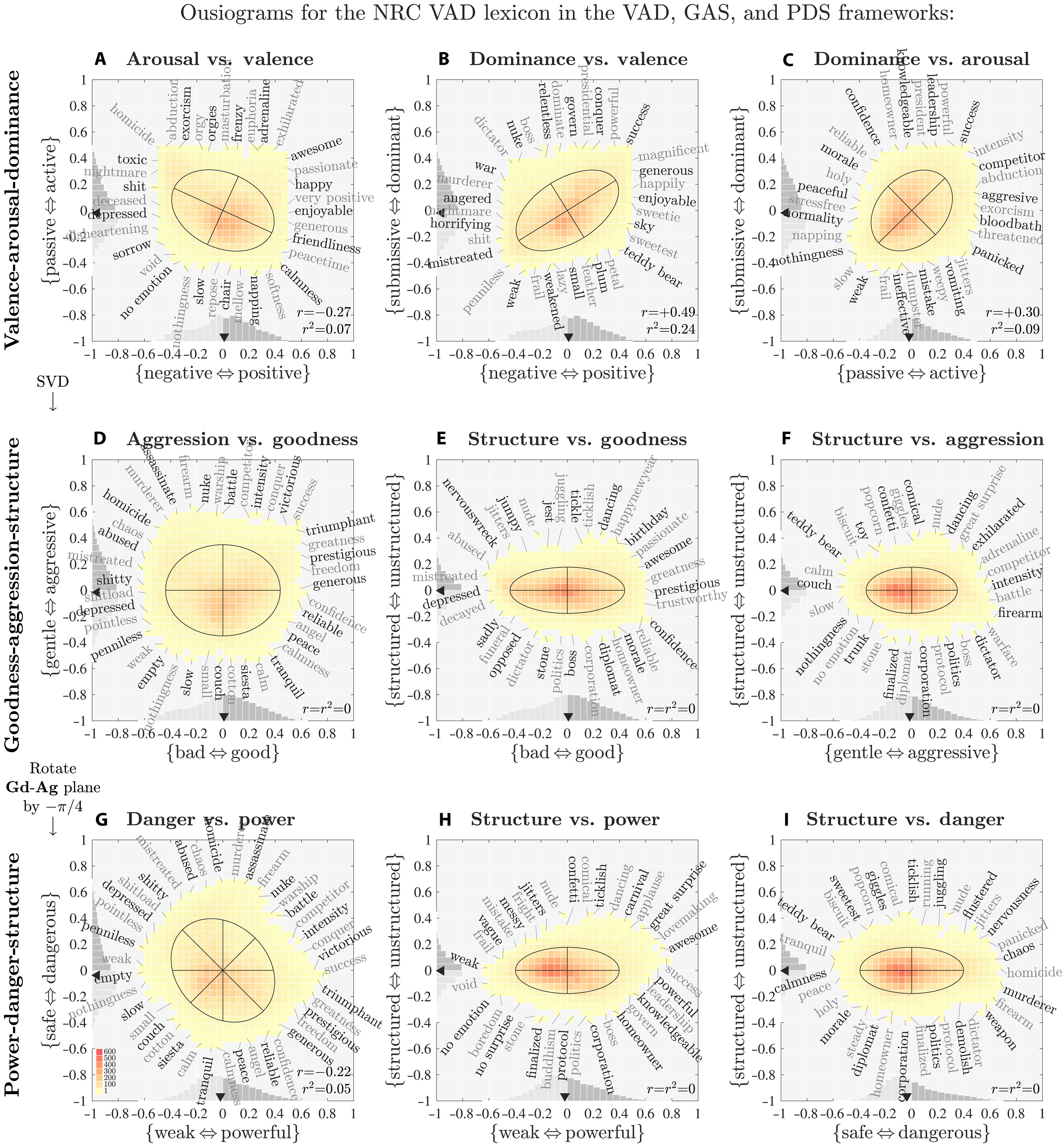
A new tool drawing on billions of uses of more than 20,000 words and diverse real-world texts claims...

Wavelengths Of Light Are Why CO2 Cools The Upper Atmosphere But Warms Earth

There are concerns about projected warming on the Earth’s surface and in the lower atmosphere...

Here's Where Your Backyard Was 300 Million Years Ago

We may use terms like "grounded" and terra firma to mean stability and consistency but geology...

Convergent Evolution Cheat Sheet Now 120 Million Years Old

One tenet of natural selection is a random walk of genes but nature may be more predictable than...

User picture.
News StaffRSS Feed of this column.

News Releases From All Over The World, Right To You... Read More »

Blogroll

Schistosoma mansoni and its close relatives are parasitic flatworms that affect millions worldwide and kill an estimated 250,000 people a year. A study published on January 16 in PLOS Pathogens identifies a new part of the molecular pathway that controls parasite movement. And because coordinated movement is essential for the schistosome life cycle in its human host, this protein is a promising new drug target.

SAN ANTONIO (Dec. 19, 2013) — Elevated levels of an amino acid, tyrosine, alter development and longevity in animals and may contribute to the development of diabetes in people, new research from the UT Health Science Center at San Antonio indicates. This line of study could potentially lead to a novel way to prevent or treat the disease. The research is reported this week [Dec. 19] in PLOS Genetics, a journal of the Public Library of Science.

Evidence of a direct effect in diabetes

Porto Alegre, Brazil - Researchers at the Federal University of Rio Grande do Sul (UFRGS), the university hospital (Hospital de Clínicas de Porto Alegre, HCPA) and the Children's Cancer Institute (Instituto do Câncer Infantil do Rio Grande do Sul, ICI-RS) in Porto Alegre, Brazil, have shown that manipulating an epigenetic mechanism, which regulates gene expression, may promote cell death and favor maturation towards less malignant-prone phenotypes in pediatric brain cancer cell lines.

A possible new method for treating pancreatic cancer which enables the body's immune system to attack and kill cancer cells has been developed by researchers.

The method uses a drug which breaks down the protective barrier surrounding pancreatic cancer tumours, enabling cancer-attacking T cells to get through. The drug is used in combination with an antibody that blocks a second target, which improves the activity of these T cells.

This news release is available in German.

Even the so-called high-Tc superconductors still require very low temperatures of minus 200 degrees centigrade. While cooling down to these temperatures involves substantial effort, superconductors are already employed in many areas, e.g., for magnetic resonance tomography in medical applications. Despite extensive research, materials providing lossless conduction of electricity at room temperature are missing up to now.

The genomes of organisms from humans to corn are replete with "parasitic" strands of DNA that, when not suppressed, copy themselves and spread throughout the genome, potentially affecting health. Earlier this year Brown University researchers found that these "retrotransposable elements" were increasingly able to break free of the genome's control in cultures of human cells. Now in a new paper in the journal Aging, they show that RTEs are increasingly able to break free and copy themselves in the tissues of mice as the animals aged. In further experiments the biologists showed that this activity was readily apparent in cancerous tumors, but that it also could be reduced by restricting calories.


