Banner
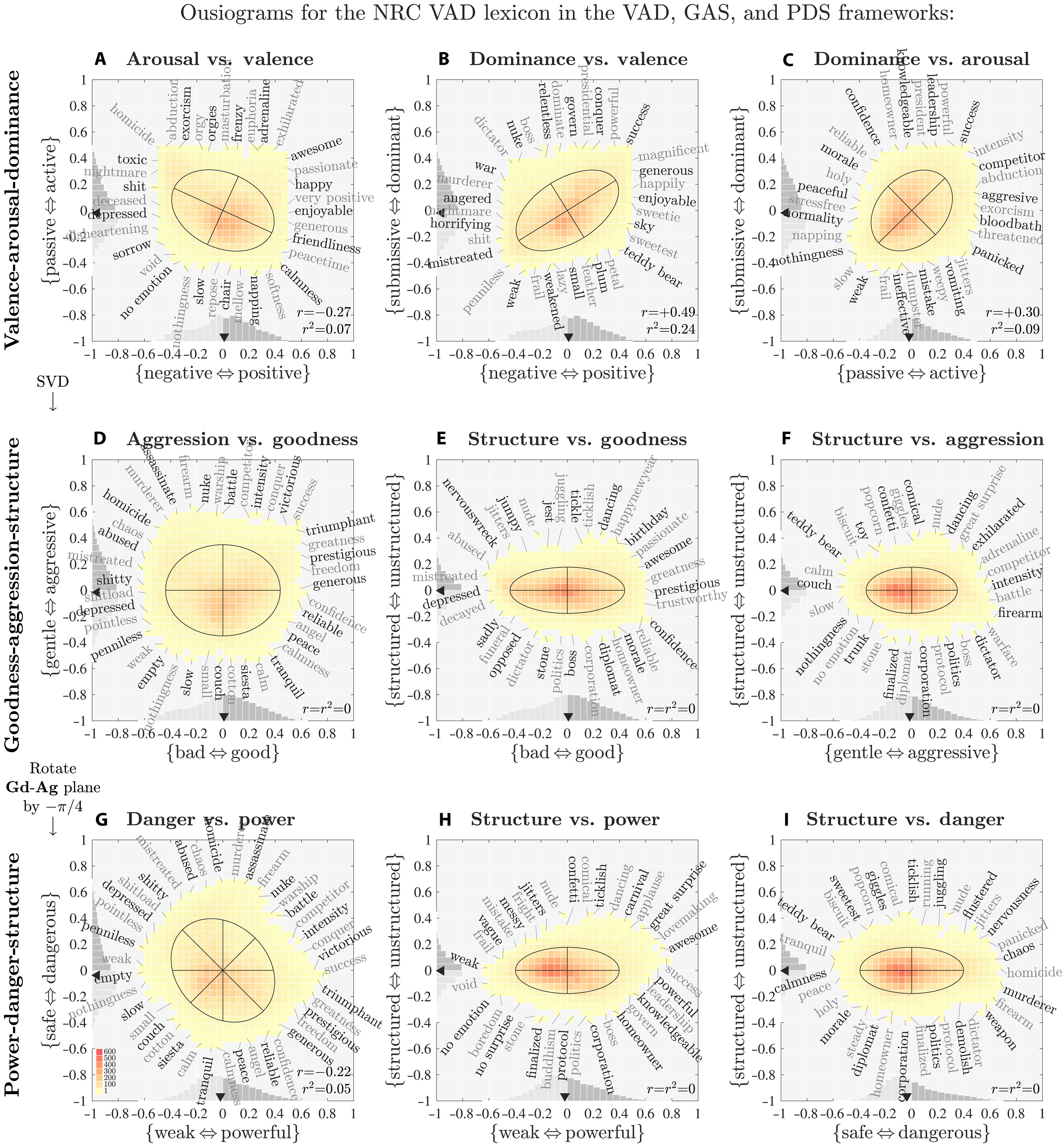
Ousiometrics Analysis Says All Human Language Is Biased

A new tool drawing on billions of uses of more than 20,000 words and diverse real-world texts claims...
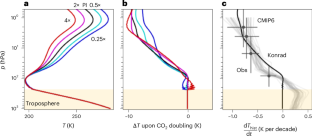
Wavelengths Of Light Are Why CO2 Cools The Upper Atmosphere But Warms Earth

There are concerns about projected warming on the Earth’s surface and in the lower atmosphere...

Here's Where Your Backyard Was 300 Million Years Ago

We may use terms like "grounded" and terra firma to mean stability and consistency but geology...

Convergent Evolution Cheat Sheet Now 120 Million Years Old

One tenet of natural selection is a random walk of genes but nature may be more predictable than...

User picture.
News StaffRSS Feed of this column.

News Releases From All Over The World, Right To You... Read More »

Blogroll

How do you find a new element, like the recently discovered superheavy chemical element 115?

Elements beyond atomic number 104 are referred to as superheavy elements and are produced at accelerator laboratories and generally decay after a short time. Initial reports about an element with atomic number 115 were released from a research center in Russia in 2004 but their indirect evidence was insufficient for an official discovery.

The search for clean, green sustainable energy sources marches on. While some studies note that solar and wind energy could be viable by 2025, if they could bypass environmental lawsuits, hydrogen and nuclear are rushing to fill the gaps.

A group of gamma-aminobutyric acid
(GABA) neurons, the neurotransmitters which inhibit other cells, shown to contribute to symptoms like social withdrawal and increased anxiety, may lead to  a new drug target for depression and other mood disorders.  

It is known that people suffering from depression and other mood disorders often react to rejection or bullying by withdrawing themselves socially more than the average person who takes it in strides, yet the biological processes behind these responses have remained unclear.

Data collected from 2009 through 2012 by NASA's Operation IceBridge, an airborne science campaign that studies polar ice, reveals evidence of a large and previously unknown canyon hidden under a mile of Greenland ice.

A long-standing mystery has been why most super massive black holes (SMBH) at the centers of galaxies have such a low accretion rate; they swallow very little of the cosmic gases available and instead act as if they are on a severe diet.

The signature X-ray emissions from super massive black holes, which come from an area much larger than the black holes themselves, are often so surprisingly faint that the objects are difficult to distinguish from their galaxy centers. There has been a big mystery about why most of these black hole signals are so faint.

By analyzing a 150-year-old moss bank on the Antarctic Peninsula, researchers describe an unprecedented rate of ecological change since the 1960s, driven by warming temperatures. 

The researchers looked to the Antarctic Peninsula because it is one of the most rapidly warming regions on Earth; annual temperatures there have increased by up to 0.56°C per decade since the 1950s. There they found a moss bank that has been slowly growing at the top surface and accumulating peat material since it first established in about 1860. By analyzing core samples of that moss bank, they were able to characterize the growth and activity of the moss and microbes over time.