Banner
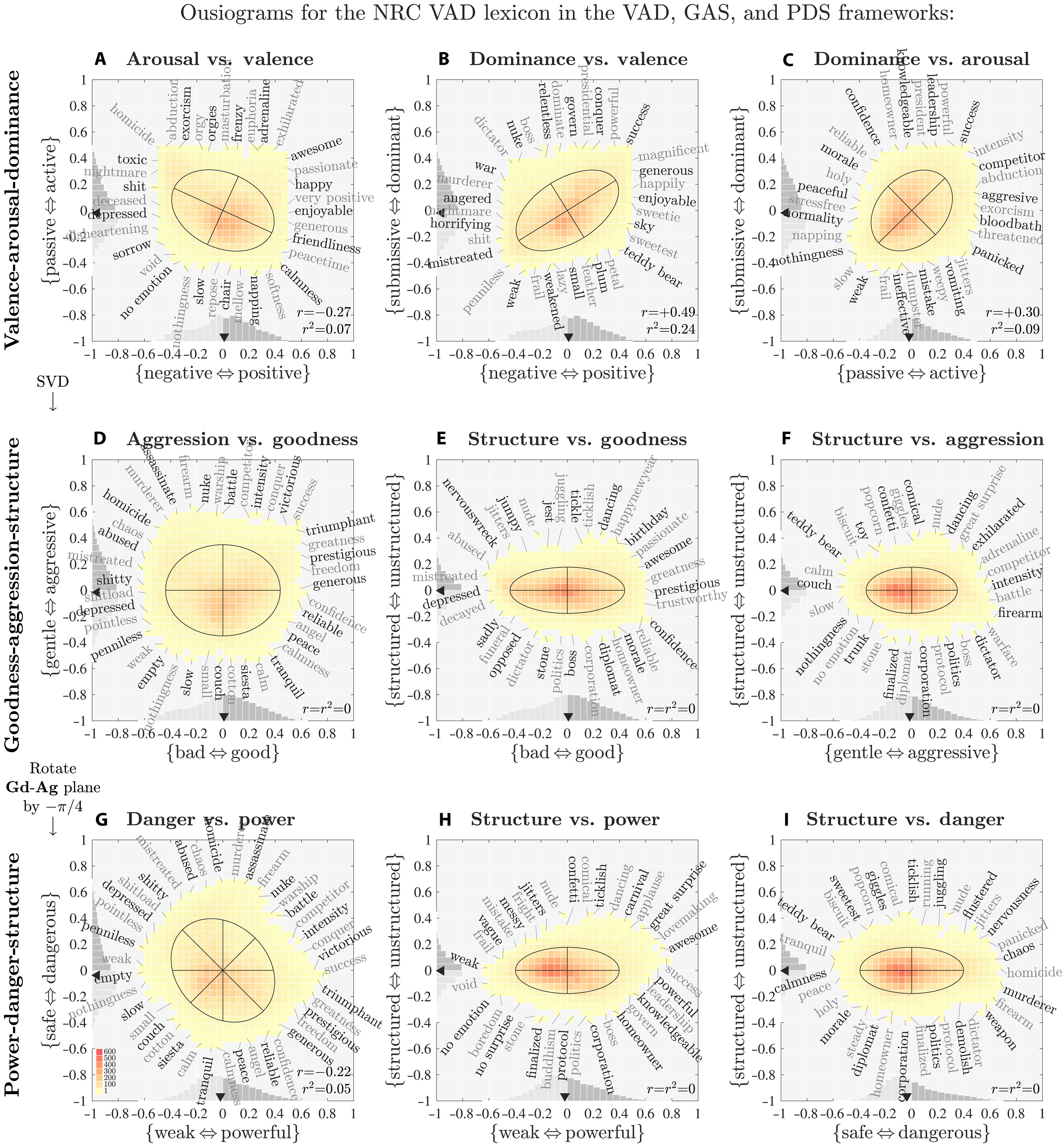
Ousiometrics Analysis Says All Human Language Is Biased

A new tool drawing on billions of uses of more than 20,000 words and diverse real-world texts claims...
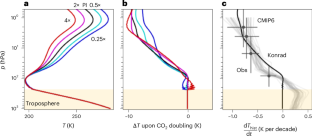
Wavelengths Of Light Are Why CO2 Cools The Upper Atmosphere But Warms Earth

There are concerns about projected warming on the Earth’s surface and in the lower atmosphere...

Here's Where Your Backyard Was 300 Million Years Ago

We may use terms like "grounded" and terra firma to mean stability and consistency but geology...

Convergent Evolution Cheat Sheet Now 120 Million Years Old

One tenet of natural selection is a random walk of genes but nature may be more predictable than...

User picture.
News StaffRSS Feed of this column.

News Releases From All Over The World, Right To You... Read More »

Blogroll

TERC, a gene which regulates the length of the telomere 'caps' on the ends of DNA and helps control the aging process by acting as a cell's internal clock, has been linked to cancer by a new study.

Scientists at The Institute of Cancer Research, London, found a genetic variant that influences the aging process among four new variants they linked to myeloma, one of the most common types of blood cancer. The study more than doubles the number of genetic variants linked to myeloma, bringing the total number to seven, and sheds important new light on the genetic causes of the disease. 

Kevin Hays, 19, of Renton, Washington, is studying math, in Arts  &  Sciences, and computer science at Washington University in St. Louis - and now he has a new world record in the Rubik's Cube, taking the top spot from ... himself.

Hays solved the “6x6” Rubik’s Cube in 1 minute, 40 seconds, 9 seconds faster than his previous record. The 6 x 6 cube has 36 squares per side; that’s a total of 216 squares Hays twisted and turned into perfect alignment. 

For comparison, most of us grew up trying (and failing) to solve  it did so with a standard 3 x 3 cube, which has nine squares per side.

Females select the 'right' sperm to fertilize their eggs when faced with the risk of being fertilized by wrong sperm from a different species and researchers recently set out to investigate salmon and trout, which fertilize externally in river water, because the two species occasionally hybridize in the wild.

Since hybrid offspring become reproductive dead-ends, females of both species are under selection to avoid hybrid fertilizations, and instead promote external fertilization by their own species' sperm.

Monitoring slow earthquakes may provide the basis for reliable prediction in areas where slow quakes trigger normal earthquakes.

Geoscientists looked at the mechanisms behind slow earthquakes and found that 60 seconds before slow stick slip began in their laboratory samples, a precursor signal appeared. 

Normal stick slip earthquakes typically move at a rate of three to 33 feet per second, but slow earthquakes, while they still stick and slip for movement, move at rates of about 0.004 inches per second taking months or more to rupture. However, slow earthquakes often occur near traditional earthquake zones and may precipitate potentially devastating earthquakes.

A 160 million-year-old fossil of an extinct rodent-like creature from China has been identified as Rugosodon eurasiaticus and is helping to explain how multituberculates, the most evolutionarily successful and long-lived mammalian lineage in the fossil record, achieved their dominance.

Rugosodon eurasiaticus is currently the oldest ancestor in the multituberculate family tree. The nearly complete skeleton provides critical insights into the traits that helped such multituberculates thrive in their day. For example, the fossil reveals teeth that were adapted to gnawing plants and animals alike, as well as ankle joints that were highly adept at rotation.

Researchers writing in the Canadian Journal of Physiology and Pharmacology suggest that incubating retinal cells with vegetable oils induces biochemical and biophysical changes in the cell membrane, which may have a beneficial effect in preventing or slowing the development of retinopathy.

Dysfunction of retinal pigment epithelium (RPE) cells is found in retinopathy and age-related macular degeneration, which is the leading cause of blindness of elderly people in developed countries.