Banner
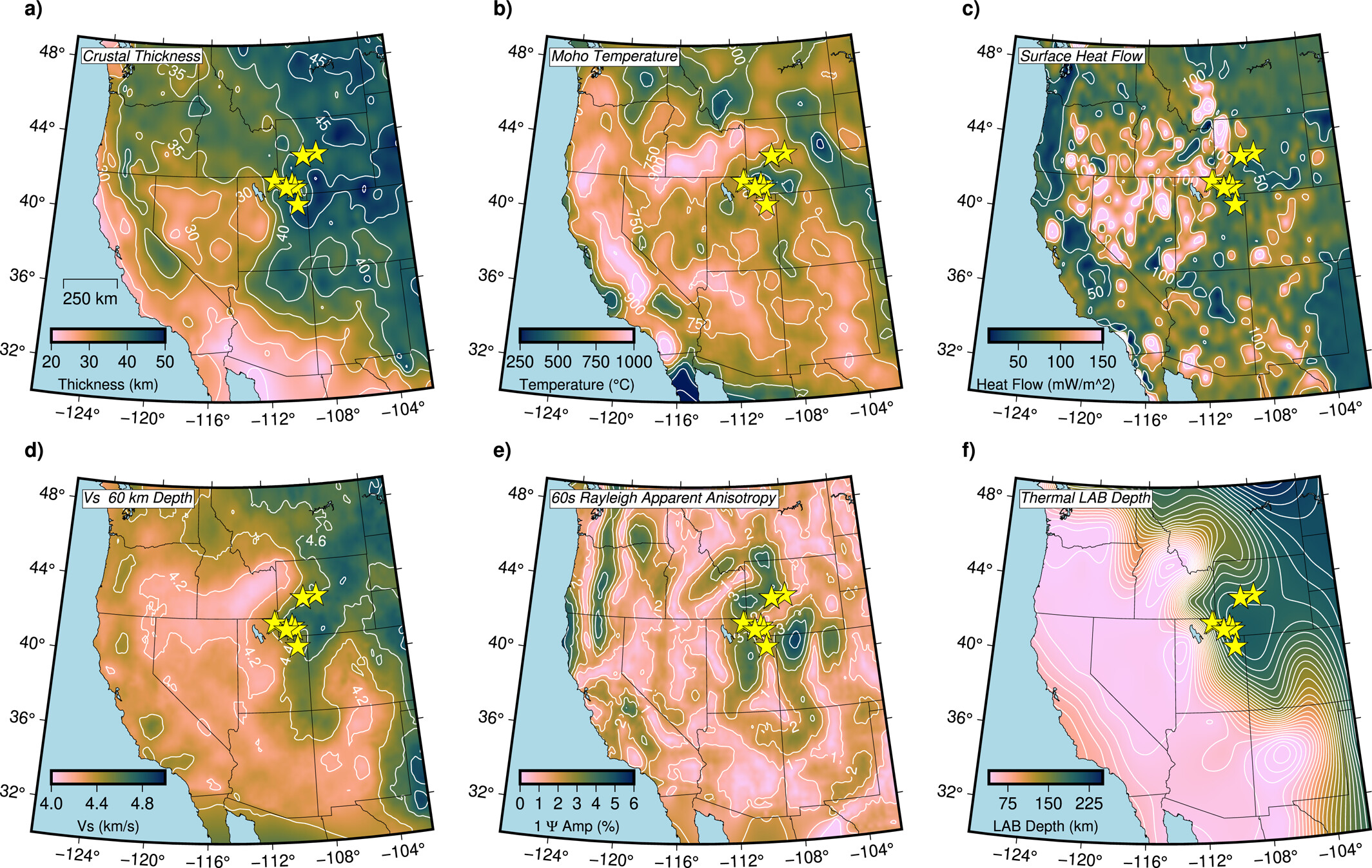
You Didn't Feel Continental Mantle Earthquakes, But They Happened. A Lot

A 1979 seismic event was a different kind of earthquake, and it is has intrigued scientists ever...
How To Overcome Leadership Battles

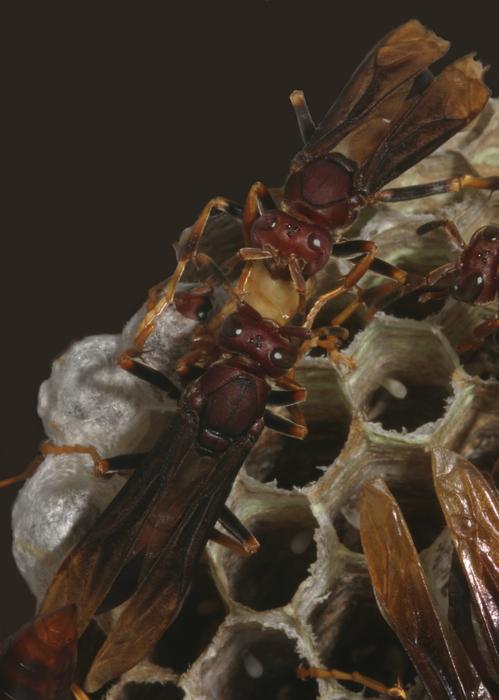
In times of social rancor and strife, most will fight each other, but societies are saved by those...
Thousands Of Unpublished Studies Show Why Conservation Efforts Miss The Mark

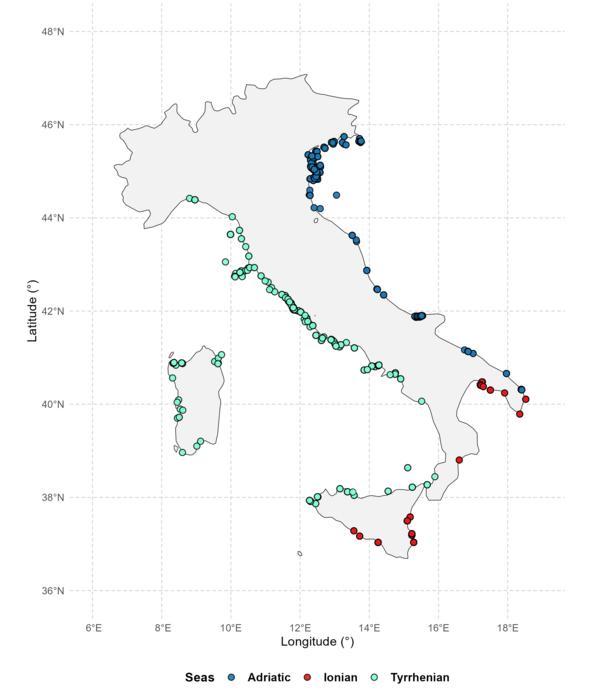
Europe alone has so much unpublished, un-catalogued biological data that it is challenging to take...

Why Antarctic Sea Ice Stopped Growing In 2015

Though numerical models and popular films like An Inconvenient Truth projected Arctic ice...

User picture.
News StaffRSS Feed of this column.

News Releases From All Over The World, Right To You... Read More »

Blogroll
Fake news has become a common claim, and for good reason. The Russians, for example, have been caught using environmentalists, food activists, "journalism" professors, and trade groups to promote fear and doubt about American science and technology
.
But organic food shoppers and people scared of natural gas are not alone in believing fake news. A new study shows that dogmatic individuals, fundamentalists and delusional people of all kinds are more likely to believe fake news. The less open-minded a person is, the more likely they are to be swayed by fake news claims.
Before the arrival of European immigrants to the western United States, up to 12 percent of it would burn each year. Somehow, even though science is well aware of that fact, political media today claim that wildfires are unprecedented and we are doomed. 

A new study notes again that the amount of wildfire occurring in the western U.S. remains far below the acreage burning when native Americans were not managing the ecology. The context is not to debunk modern beliefs about how superior native Americans were, but to talk about water.
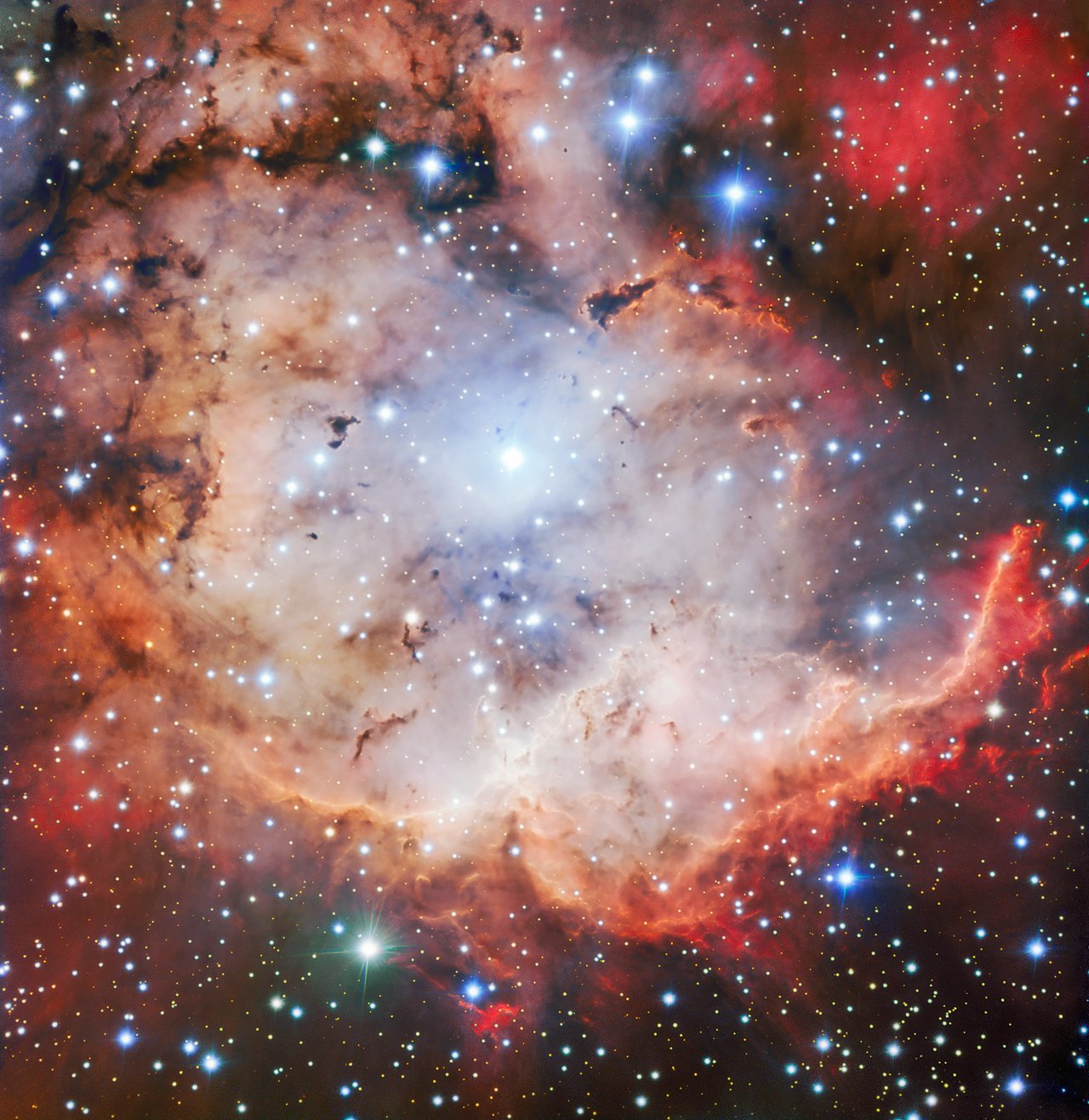
Using FORS2, an instrument mounted on ESO’s Very Large Telescope, government astronomers have observed the active star-forming region NGC 2467 — the Skull and Crossbones Nebula, called such because of the dust, gas and bright young stars gravitationally bound into the form of a grinning skull.

NGC 2467 skulks in the constellation Puppis, which translates rather unromantically as The Poop Deck. And this was taken in March, but released near Halloween, so ESO has something to talk about.
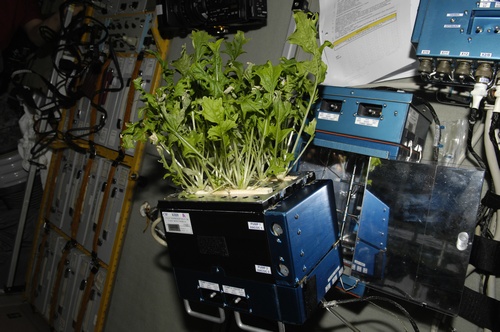
What would it take to grow potatoes or tomatoes in space? Some mycorrhiza, it turns out.

Currently NASA can't even get a telescope into space without being wildly over budget and 10 years behind schedule so they are not putting colonies on the moon any time soon. But the private sector might. And if that is going to be more than the plot of a film, it will take agriculture. 
Beer, the most popular alcoholic drink in the world, consumes around 17% of global barley production, but this share varies across major beer-producing countries; 83% in Brazil to 9% in Australia.

What if global warming hits and temperatures rise more than 0.1 Celsius that has happened so far? Less barley, less beer. The vulnerability of beer supply to such extremes has never been assessed but a new estimate is sure to spur action, at least if you believe in estimates.
Does the presence of higher levels of biomarkers of dairy fat consumption in people with lower levels of type 2 diabetes mean more dairy means less risk of developing it? According to epidemiology, yes, but epidemiology and politics are the two key reasons public confidence in academic science have plummeted.