Where does magma gather in the earth's crust? And for how long?
With worldwide poverty in decline, plentiful food thanks to science, and life expectancies increasing each year, we can turn to more remote worries - and learn some new things in the process. Like about volcanic eruptions and magma.
Would famous Apple CEO Steve Jobs be alive today if he had accepted science the same way he accepted technology? Pancreatic cancer will kill half of patients but he guaranteed his death when he waited 9 months after his 2003 diagnosis to have surgery that could have saved his life, instead opting for belief that medicine was bad and alternatives were just as legitimate.
An analysis of over 400,000 people's self-reported drinking habits finds that statistically drinking alcohol 4 or more times per week increases the risk of premature death by 20 percent. The increased risk was consistent across age groups.
Vaccines are the most effective way to prevent and eradicate infectious diseases but many vaccines have to be manufactured in cell culture or eggs, which is expensive, and most vaccines must be kept refrigerated during the transport
It takes a few years, a lot of grain and even more water to make a steer big enough to send to market - a company wants to get that process down to a few weeks.
Few people have heard of the groundcherry because during legacy days of agriculture, when foods had to be optimized for various regions as easily as possible, it fared poorly compared to other farming crops due to undesirable characteristics, like falling on the ground and needing weeds.
Though people who sell the organic process think a limited monoculture past is worth paying a premium for, the future may belong to the groundcherry and other orphan crops, thanks to biotechnology and the gene editing tool CRISPR, the successor to legacy organic processes like Mutagenesis and transgenic options like Genetically Modified Organisms.


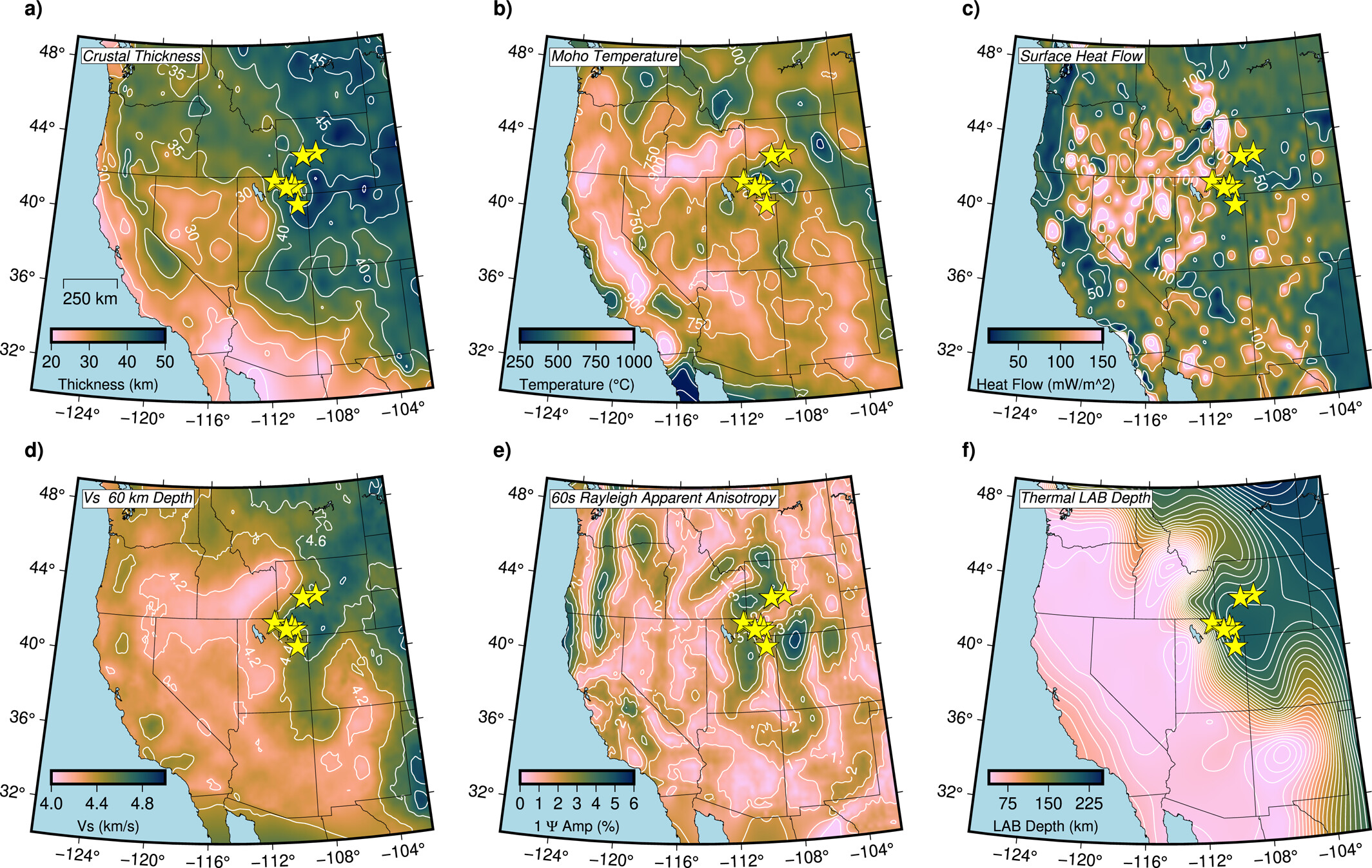 You Didn't Feel Continental Mantle Earthquakes, But They Happened. A Lot
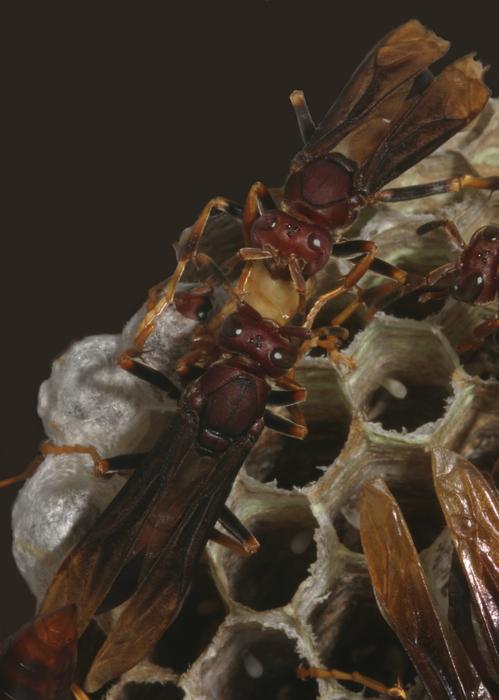 How To Overcome Leadership Battles
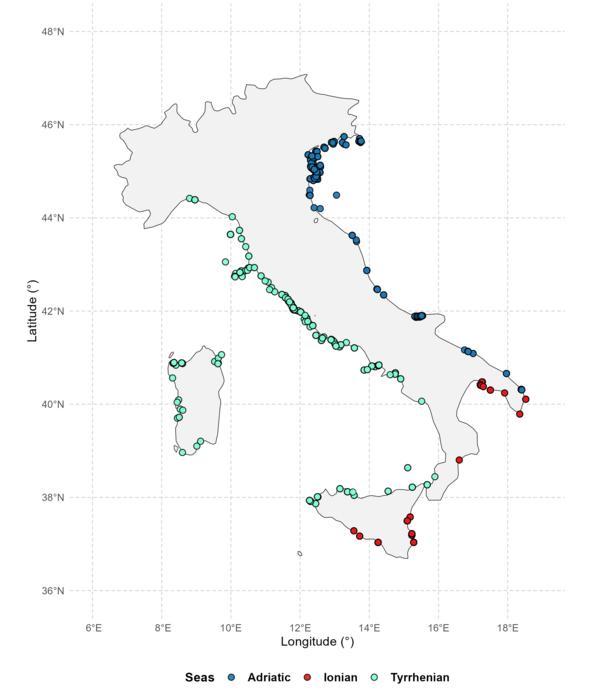 Thousands Of Unpublished Studies Show Why Conservation Efforts Miss The Mark
 Why Antarctic Sea Ice Stopped Growing In 2015