'Got less milk?" is unlikely to resonate with consumers in the heartland, but it may be so, says a new projection.
The group behind the model found that a possible decline in milk production due to climate change will vary across the U.S., since there are significant differences in humidity and will be impacted by how much the temperature swings between night and day across the country. The humidity and hot nights make the Southeast the most unfriendly place in the US for dairy cows right now. That's not new, scientists and obviously farmers have long known about and studied the impact of heat stress on cows' milk production.
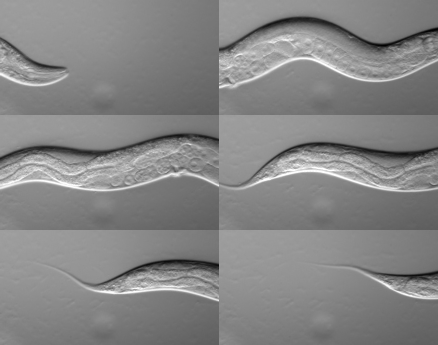
Spaceflight is tough on humans, due to weightlessness and radiation exposure. But if it bothers the nematode worm, Caenorhabditis elegans, they aren't talking.
Researchers writing in Nature Scientific Reports say they were interested in seeing how C. elegans reacts to living in space because it was the first multicellular life form to have its full genetic structure mapped. They found the astronaut worms showed less toxic proteins in their muscles than if they had stayed on Earth. Further investigation revealed that seven genes were less active in space; living on the Space Station led to certain genes not functioning normally.
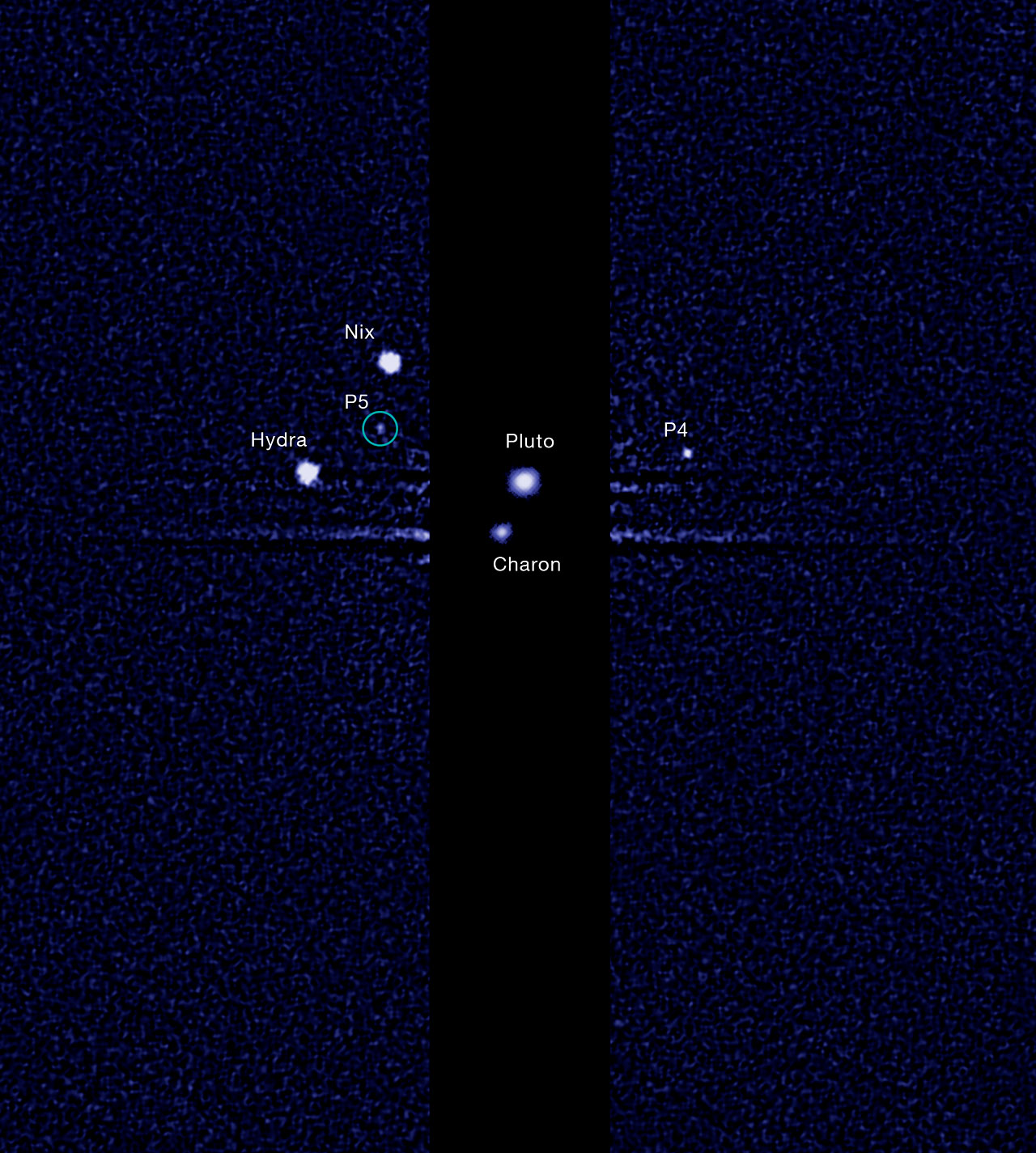
For not being a planet, according to 2 percent of astronomers, Pluto sure has a lot of moons.
Now it has one more, joining Charon, which was discovered in 1978, Nix and Hydra, discovered in 2006, and P4, found in 2011.
Pluto’s new-found moon, provisionally designated S/2012 (134340) 1, or P5, is tiny and only visible as a speck of light in Hubble images, so it is estimated to be irregular in shape and between 10 and 25 kilometers across. It is in a 95,000 kilometer-diameter circular orbit and assumed to lie in the same plane as Pluto’s other known moons.
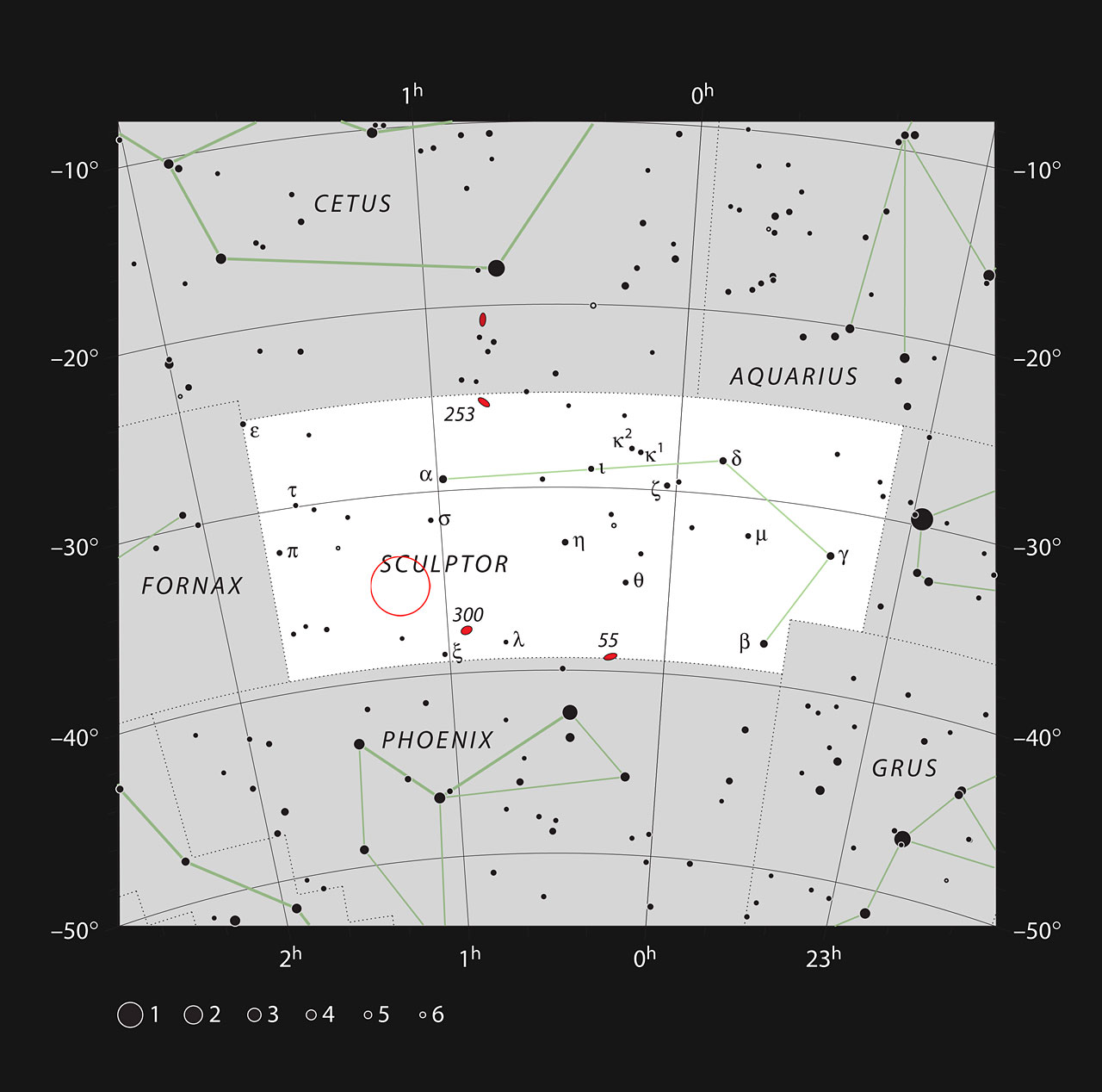
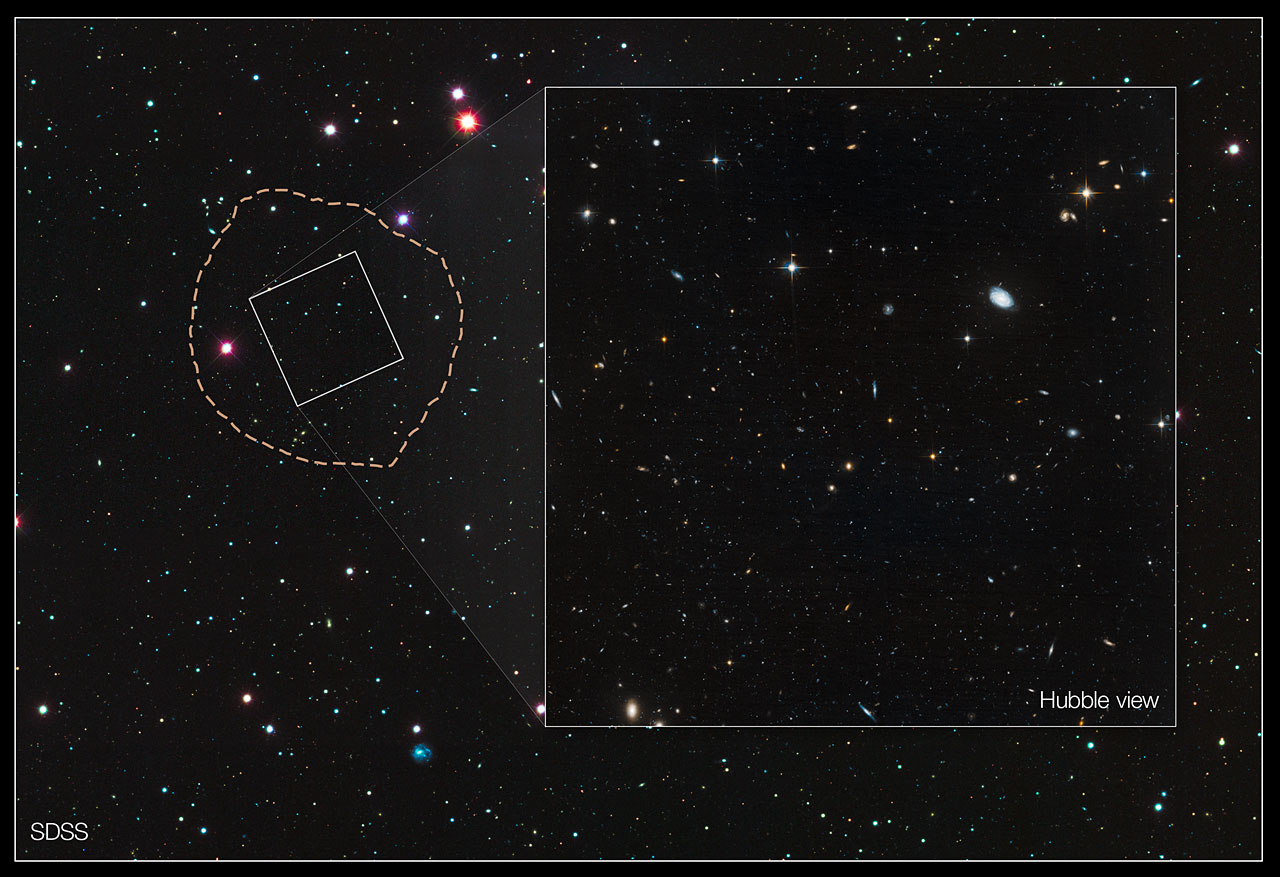
Dark galaxies, theorized but unobserved, may have been spotted.
Dark galaxies are essentially gas-rich galaxies in the early Universe that are very inefficient at forming stars and astronomers think they have detected these elusive objects by observing them glowing as they are illuminated by a quasar. They are predicted by theories of galaxy formation and are thought to be the building blocks of today’s bright, star-filled galaxies. They may have fed large galaxies with much of the gas that later formed into the stars that exist today.
Why do some extremely faint galaxies in our backyard contain so few stars? An international team of astronomers has helped solve the mystery of why these galaxies are starved of stars - and why so few of them have been found.
Hercules, Leo IV and Ursa Major dwarf galaxies all started forming stars more than 13 billion years ago - and then abruptly stopped shortly after the Big Bang.The extreme age of their stars is similar to Messier 92, the oldest known globular cluster in the Milky Way.


 Here's Where Your Backyard Was 300 Million Years Ago
 Convergent Evolution Cheat Sheet Now 120 Million Years Old
 Synchrotron Could Shed Light On Exotic Dark Photons
 The Pain Scale Is Broken But This May Fix It