Proteins are essential for healthy cells and all biological activities - misfolded and/or damaged proteins are common to human neurodegenerative diseases and age-associated diseases.
A big question is, when during a lifespan do proteins start to misbehave?
A new Northwestern University study says that protein damage can be detected much earlier than previously believed, long before individuals exhibit symptoms. Importantly, the results also suggest that if we intervene early enough, the damage could be delayed.
There once was a battle of the sexes, when some women and men believed the genders were basically the same. Then there was a cultural détente, which regrettably involved a lot of pantsuits, before settling into the modern realization that a uni-sex society was not going to happen but gender differences do not warrant different paychecks.
New research by the Kellogg School of Management at Northwestern University, the University of Chicago Booth School of Business and the University of Chicago's Department of Comparative Human Development says that the sexes may have more in common than believed when it comes to taking risks - testosterone.
High protein, low carbohydrate diets have been successful at helping individuals rapidly lose weight but due to their recent popularity little is known about the diets' long-term effects on vascular health.
A new study provides some of the first data on this subject, demonstrating that mice placed on a 12-week low carbohydrate/high-protein diet showed a significant increase in atherosclerosis, a buildup of plaque in the heart's arteries and a leading cause of heart attack and stroke. The findings also showed that the diet led to an impaired ability to form new blood vessels in tissues deprived of blood flow, as might occur during a heart attack.
Think you can design a better iPhone? We think we can, mostly by eliminating whatever attracts the more smug Apple users.
And we're not alone. From running shoes to ceiling fans (no, Apple will not let you design your own phone - they won't even let you decide what you can install), consumers are becoming the designers of their own products, according to a new study in the Journal of Consumer Research which looks at the ways consumers compare their creations to those designed by professionals.
Everyone is thorough about checklists of items they want to take on long trips - fewer people worry about things they are supposed to leave behind. But forty years ago, as the Apollo 11 astronauts were completing their checklist to leave the Moon they discovered that they had forgotten something important that wasn't supposed to return to Earth.
An international team has sequenced the genome of Schistosoma mansoni, a parasite that infects 200 million people in 76 countries through freshwater snails.
The US is not one of the affected countries because we don't have the snails that carry the Schistosoma mansoni parasite, though Americans at risk include those traveling in the Peace Corps, on business or for church missions. The new research is the largest genome sequencing of a parasite to date.


 Synchrotron Could Shed Light On Exotic Dark Photons
 The Pain Scale Is Broken But This May Fix It
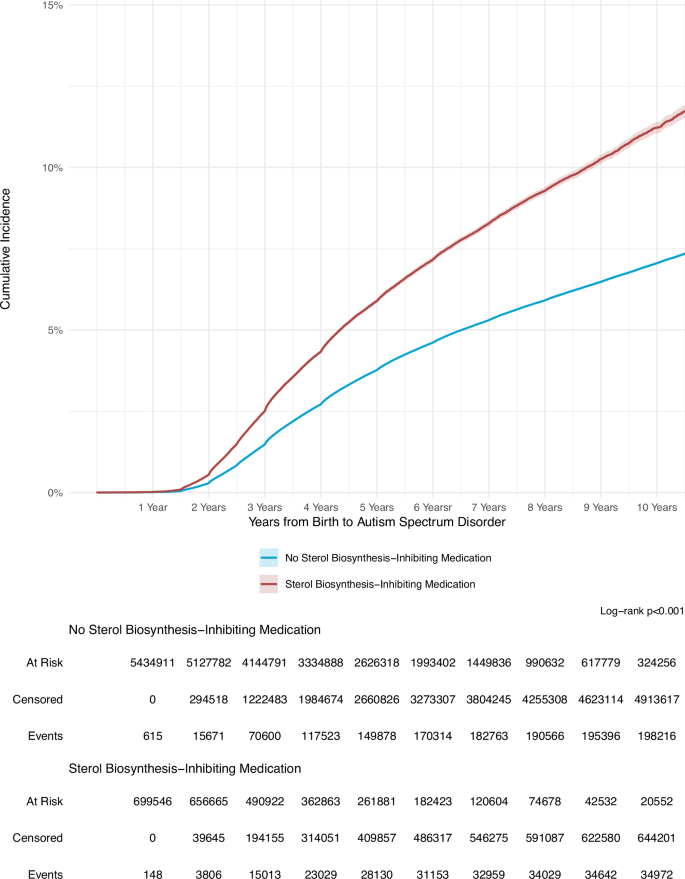 Study Links Antidepressants, Beta-blockers and Statins To Increased Autism Risk
 Pilot Study: Fibromyalgia Fatigue Improved By TENS Therapy