Banner
Synchrotron Could Shed Light On Exotic Dark Photons

There are many hypothetical particles proposed to explain dark matter and one idea to explore how...

The Pain Scale Is Broken But This May Fix It

Chronic pain is reported by over 20 percent of the global population but there is no scientific...
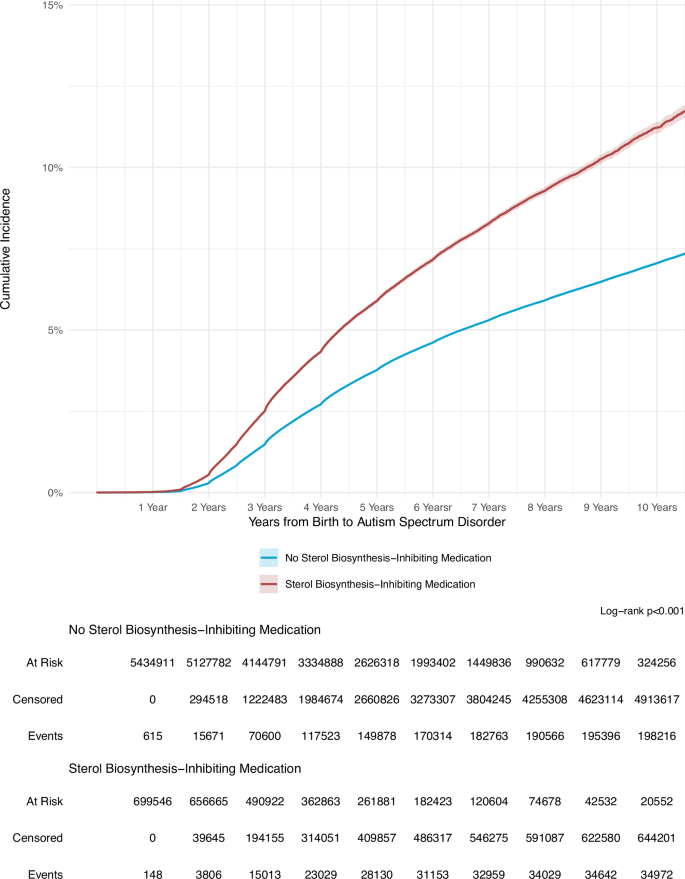
Study Links Antidepressants, Beta-blockers and Statins To Increased Autism Risk

An analysis of 6.14 million maternal-child health records  has linked prescription medications...

Pilot Study: Fibromyalgia Fatigue Improved By TENS Therapy

Fibromyalgia is the term for a poorly-understood condition where people experience pain and fatigue...

User picture.
News StaffRSS Feed of this column.

News Releases From All Over The World, Right To You... Read More »

Blogroll
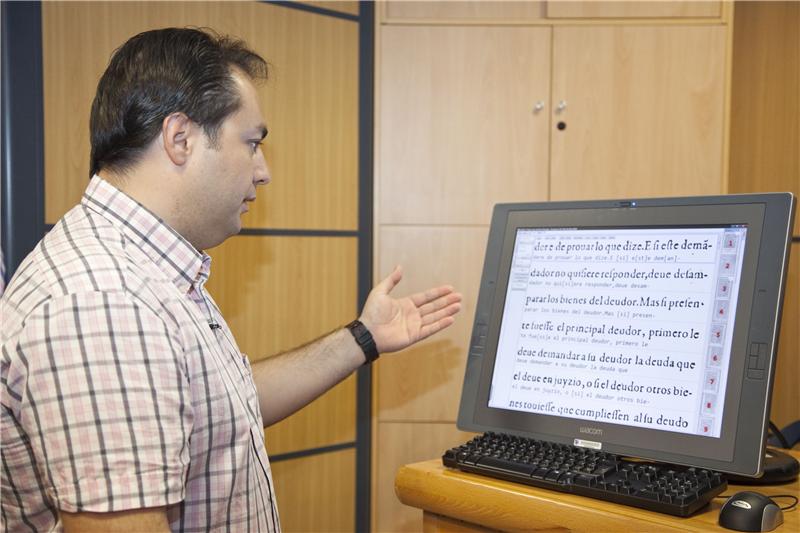
Unless the writing is completely legible and usually modern, even advanced Optical Character Recognition (OCR) systems give rise to transcription problems and provide results with many errors that need to be edited afterwards, a time-consuming process.

The Computational Perception and Learning Research Group in the Computer Languages and Systems Department at the Universitat Jaume I, in collaboration with the Universidad Politécnica de Valencia, have developed a new assisted system for the transcription of written text called 'State',  a transcription system that integrates a series of tools with which images can be processed in order to remove noise and clean up the original image.
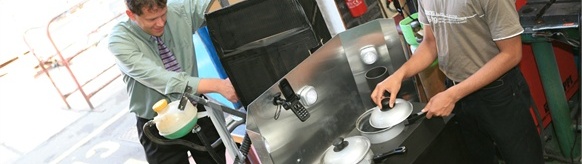
A low-cost generator could be a boon for people in the world’s poorest countries.   The Score project, led by The University of Nottingham, is developing a biomass-burning cooking stove which also converts heat into acoustic energy and then into electricity, all in one unit.

The £2 million Score project (Stove for Cooking, Refrigeration and Electricity) has brought  together experts from across the world to develop the biomass-powered generator.  An affordable, versatile domestic appliance like Score aims to address the energy needs of rural communities in Africa and Asia, where access to power is extremely limited.
In the 150 years since the publication of Charles Darwin's 'Origin of Species',  despite consistent patterns of biodiversity identified over space, time, organism type and geographical region, there still remain two views of the process of 'speciation', the evolutionary process by which new biological species arise.

The first requires a physical barrier;  a glacier, mountain or body of water that separates organisms,  enabling groups to diverge until they become separate species. In the second scenario, an environment favors specific characteristics within a species, which encourages divergence as members fill different roles in an ecosystem. 
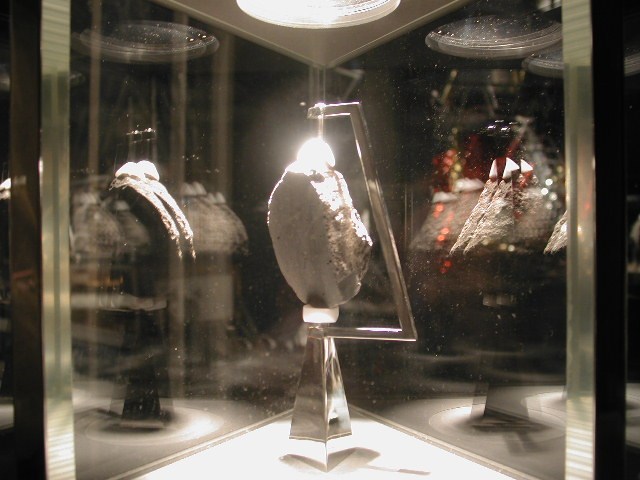
A lunar geochemist at Washington University in St. Louis says that there are still many answers to be found in moon rocks brought back by the Apollo 11 astronauts nearly 40 years ago.   And he's been studying them since then, so he should know.

Randy L. Korotev, Ph.D., a research professor in the Department of Earth and Planetary Sciences in Arts&Sciences, has studied lunar samples and their chemical compositions since he was an undergraduate at the University of Wisconsin and "was in the right place at the right time" in 1969 to be a part of a team to study some of the first lunar samples.

Apollo 11 moon rock

Synthetic Genomics Inc. (SGI), a privately held company co-founded by Craig Ventner in the business of applying genomic-driven commercial solutions to challenges like energy and the environment, announced a multi-year research and development agreement with ExxonMobil Research and Engineering Company (EMRE) to develop next generation biofuels using photosynthetic algae. 

SGI will receive milestone payments for achievements in developing biofuel products. Total funding for SGI in research and development activities and milestone payments could amount to more than US$300 million with the potential for additional income from licensing to third parties. 

Scientists in Atlantic Canada say they have found a gene that may play a role in skin aging. Researchers were investigating the genetic cause of a rare disorder known as cutis laxa type 2 (CL2), which causes skin on the hands, feet and face to be loose and older looking, as well as growth and developmental delays including effects on the brain. In the process, researchers found some interesting correlations with the synthesis of proline, a chemical associated with skin and joint health.

Several maritime Canadian families with CL2 were identified by clinicians at the IWK Health Centre’s Maritime Medical Genetics service.