Banner
Synchrotron Could Shed Light On Exotic Dark Photons

There are many hypothetical particles proposed to explain dark matter and one idea to explore how...

The Pain Scale Is Broken But This May Fix It

Chronic pain is reported by over 20 percent of the global population but there is no scientific...
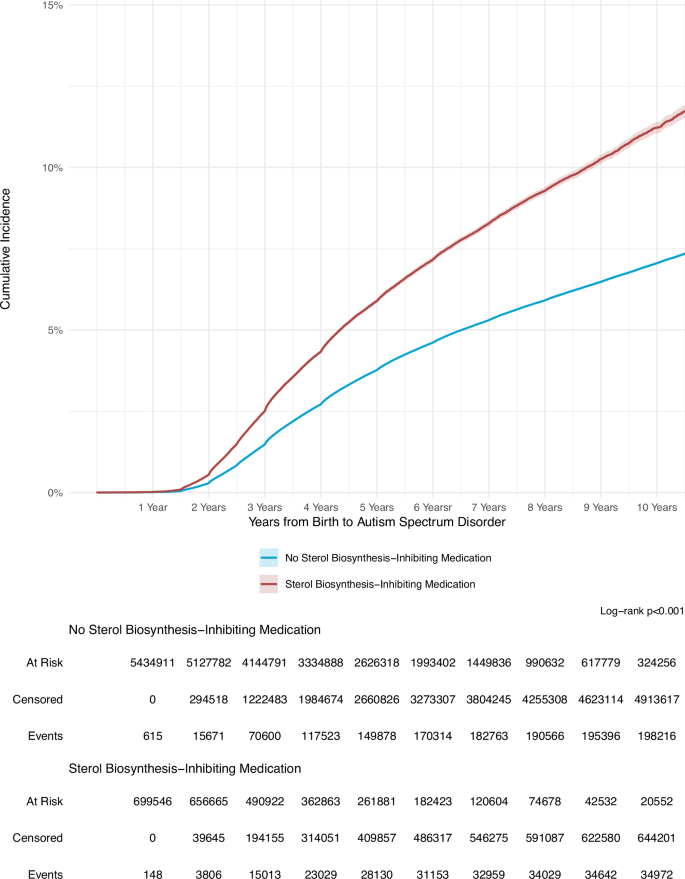
Study Links Antidepressants, Beta-blockers and Statins To Increased Autism Risk

An analysis of 6.14 million maternal-child health records  has linked prescription medications...

Pilot Study: Fibromyalgia Fatigue Improved By TENS Therapy

Fibromyalgia is the term for a poorly-understood condition where people experience pain and fatigue...

User picture.
News StaffRSS Feed of this column.

News Releases From All Over The World, Right To You... Read More »

Blogroll
An international team of researchers has determined key structural features of the largest known virus -the mimivirus, called by some a possible "missing link" between viruses and living cells. It was discovered accidentally by French scientists in 1992 but wasn't confirmed to be a virus until 2003.  The findings may help determine whether the unusual virus causes any human diseases.

The virus infects amoebas, but it is thought to possibly be a human pathogen because antibodies to the virus have been discovered in pneumonia patients. However, many details about the virus remain unknown, said Michael Rossmann, Purdue University's Hanley Distinguished Professor of Biological Sciences.
Facial recognition is not as automatic as it may seem, according to researchers who have identified specific areas in the brain devoted solely to picking out faces among other objects we encounter.

Two specific effects have been established as being critical for facial recognition – holistic processing (in which we view the face as a whole, instead of in various parts) and left-side bias (in which we have a preference for the left side of the face). Psychologists Janet H. Hsiao from the University of Hong Kong and Garrison W. Cottrell from the University of California, San Diego wanted to test if these effects were specific for facial recognition or if they help us to identify other objects as well.
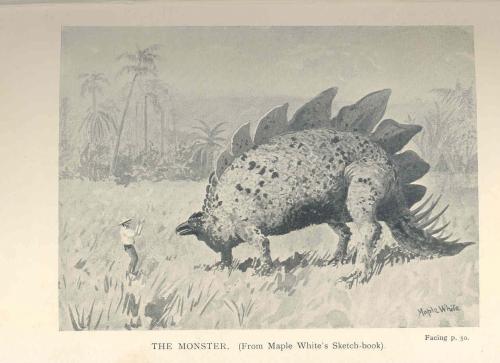
"The Lost World", published in 1912, is not Sir Arthur Conan Doyle's most famous work but his account of an isolated community of dinosaurs that survived the catastrophic extinction event 65 million years ago has lasted into modern times in a way Sherlock Holmes has not - at least until the new Robert Downey movie comes out with him in the starring role.
In 2004, the Centers for Disease Control and Prevention (CDC) launched experiments designed to combine the H5N1 virus and human flu viruses and then see how the resulting hybrids affected animals so that they could assess the chances that such a "reassortant" virus might emerge and determine how dangerous it would be.

Their reasoning was that the worst fears of infectious disease experts - that the H5N1 avian influenza virus  circulating in parts of Asia might combine with a human-adapted flu virus, namely if someone with a flu virus also contracted the avian virus - might result in a deadly new flu virus that could spread around the world.   A pandemic of the kind not seen in almost a hundred years.

Filligent, a Hong Kong-based biotech company, is mobilizing stocks of its anti-infective BioMask to help combat the global spread of the deadly new Mexican strain of Influenza A.   The BioMask is the first medical face mask to kill the Influenza A virus within seconds of contact while retaining the breathability required by front-line workers and children, who are often the first to fall in a contagious episode.

If pizza isn't already on the list of 7 greatest inventions of the post-modern world (because nothing goes with wanting to strangle someone who invokes Foucault like a nice slice of pepperoni) a new discovery may put it there; the physics of the perfect pizza toss have inspired Monash University to design the next generation of micro motors  ... thinner that a human hair.