Banner
Synchrotron Could Shed Light On Exotic Dark Photons

There are many hypothetical particles proposed to explain dark matter and one idea to explore how...

The Pain Scale Is Broken But This May Fix It

Chronic pain is reported by over 20 percent of the global population but there is no scientific...
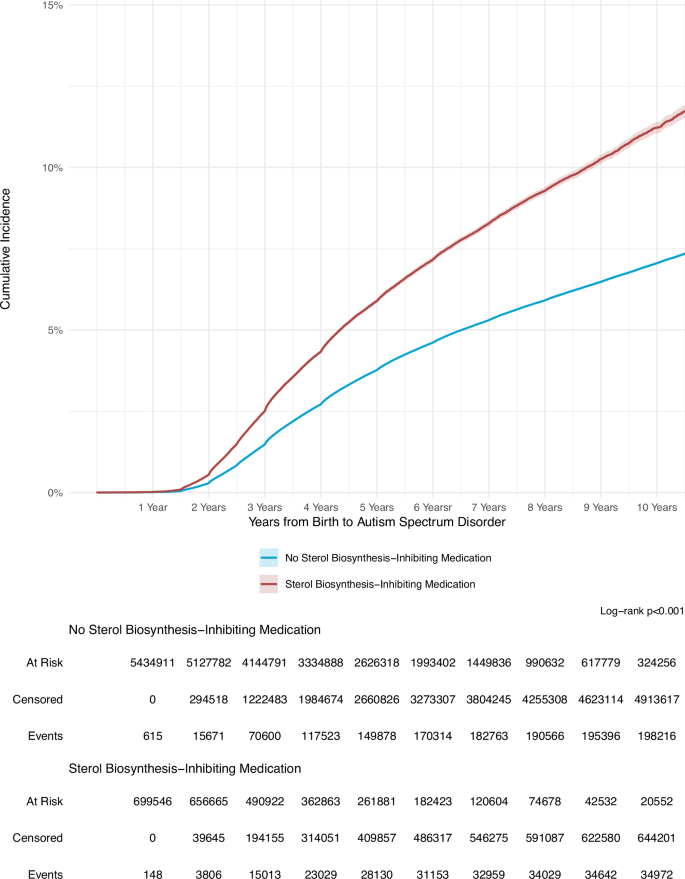
Study Links Antidepressants, Beta-blockers and Statins To Increased Autism Risk

An analysis of 6.14 million maternal-child health records  has linked prescription medications...

Pilot Study: Fibromyalgia Fatigue Improved By TENS Therapy

Fibromyalgia is the term for a poorly-understood condition where people experience pain and fatigue...

User picture.
News StaffRSS Feed of this column.

News Releases From All Over The World, Right To You... Read More »

Blogroll
Drugs and radiotherapy given for cancer can cause unpleasant side effects such as nausea and vomiting, mouth sores, dermatitis, and menopausal symptoms. Around a third of patients with cancer use complementary therapies, including homeopathic medicines, to try to reduce these side effects. In a systematic review of randomised controlled trials, Cochrane Researchers examined recent evidence for the safety and effectiveness of homeopathic medicines used in this way.
Runners clutching bottles of energy drink are a common sight, and it has long been known that sugary drinks and sweets can significantly improve athletes' performance in endurance events. The question is how? 

Clearly, 'sports' drinks and tablets contain calories. But this alone is not enough to explain the boost, and the benefits are felt even if the drink is spat out rather than swallowed. Nor does the sugary taste solve the riddle, as artificial sweeteners do not boost performance even when they are indistinguishable from real sugars.
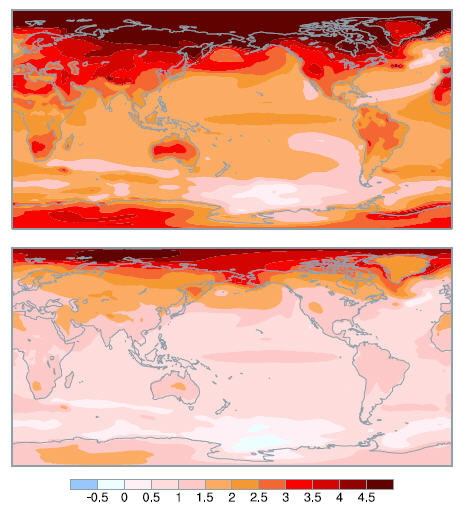
The threat of global warming can still be greatly diminished if nations cut emissions of heat-trapping greenhouse gases by 70 percent this century, according to a new analysis. 

While global temperatures would rise, the most dangerous potential aspects of climate change, including massive losses of Arctic sea ice and permafrost and significant sea-level rise, could be partially avoided.

"This important study, when taken with similar efforts, will help define a major challenge for society," says Cliff Jacobs of NSF's Atmospheric Sciences Division.
The benefits of physical activity and a balanced diet are well documented and form the basis of many public health recommendations; this is because each of these factors can independently influence risks for many chronic diseases such as obesity, type 2 diabetes, and some forms of cancer.

Some research also suggests that exercise and diet interact to influence health. For instance, exercising after short-term fasting (such as before breakfast) may increase the amount of fat burned. Similarly, consumption of a meal eliciting a low blood glucose response prior to exercise may also boost the use of body fat (instead of glucose).
Researchers say they have uncovered new evidence suggesting factors other than genes could cause obesity, finding that genetically identical cells store widely differing amounts of fat depending on subtle variations in how cells process insulin.  Findings indicate that the faster a cell processes insulin, the more fat it stores.

Learning the precise mechanism responsible for fat storage in cells could lead to methods for controlling obesity.  

Is Facebook that addictive or is a new pilot study correlating Facebook use to lower grades simple picking on the big gorilla of social media?   75 Percent of Facebook users claimed that their use of the social networking site didn't interfere with their studies but college students who use Facebook have lower grade point averages than students who have not signed up.

Don't get too alarmed.    This was a small, exploratory study but it did find that Facebook users in the study had GPAs between 3.0 and 3.5, while non-users had GPAs between 3.5 and 4.0.  And that will get some attention.   In addition, users said they averaged one to five hours a week studying, while non-users studied 11 to 15 hours per week.