The bacterium Escherichia coli is part of the healthy human intestinal flora. However, E. coli also has pathogenic relatives that trigger diarrhea illnesses: enterohemorrhagic E.coli bacteria. During the course of an infection they infest the intestinal mucosa, causing injury in the process, in contrast to benign bacteria.
Researchers from Boston University School of Medicine (BUSM), Boston Medical Center, Harvard University and the Cambridge Health Alliance found that more than 75 percent of emergency responder candidates for fire and ambulance services in Massachusetts are either overweight or obese. The findings in the journal Obesity on March 19 may have significant consequences for public health and safety.
There has been a perception that running has the same metabolic cost per unit of time no matter the speed — in other words, that the energy needed to run a given distance is the same whether sprinting or jogging. Not so, says Karen Steudel, a zoology professor at the University of Wisconsin-Madison.
Though sprinting feels more demanding in the short term, the longer time and continued exertion required to cover a set distance at a slower pace were thought to balance out the difference in metabolic cost.
Hurdia victoria was originally described in 1912 as a crustacean-like animal. Now, researchers reveal it to be just one part of a complex and remarkable new animal that has an important story to tell about the origin of the largest group of living animals, the arthropods.
The fossil fragments puzzled together come from the famous 505 million year old Burgess Shale, a UNESCO World Heritage Site in British Columbia, Canada. Uppsala researchers Allison Daley and Graham Budd at the Department of Earth Sciences, together with colleagues in Canada and Britain, describe the convoluted history and unique body construction of the newly-reconstructed Hurdia victoria, which would have been a formidable predator in its time.
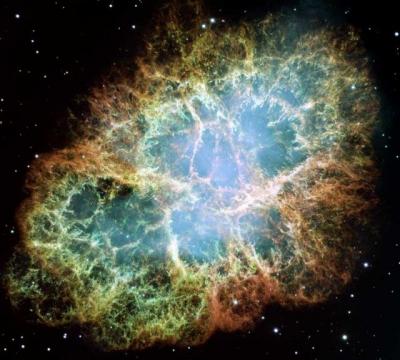
Where do supernovae come from?
It depends on who you ask. Astronomers know they were exploding stars but there was always more to the story. Researchers from the Dark Cosmology Centre at the Niels Bohr Institute, University of Copenhagen and from Queens University, Belfast say dying red supergiant stars can also produce supernovae.
Want to know what will make you happy? Ask a stranger. Another person's objective opinion may be more informative than your own best guess. The study in Science was led by Daniel Gilbert, professor of psychology at Harvard and author of the 2007 bestseller "Stumbling on Happiness," along with Matthew Killingsworth and Rebecca Eyre, also of Harvard, and Timothy Wilson of the University of Virginia.
Previous research in psychology, neuroscience, and behavioral economics has shown that people have difficulty predicting what they will like and how much they will like it, which leads them to make a wide variety of poor decisions. Interventions aimed at improving the accuracy with which people imagine future events have been generally unsuccessful.


 Synchrotron Could Shed Light On Exotic Dark Photons
 The Pain Scale Is Broken But This May Fix It
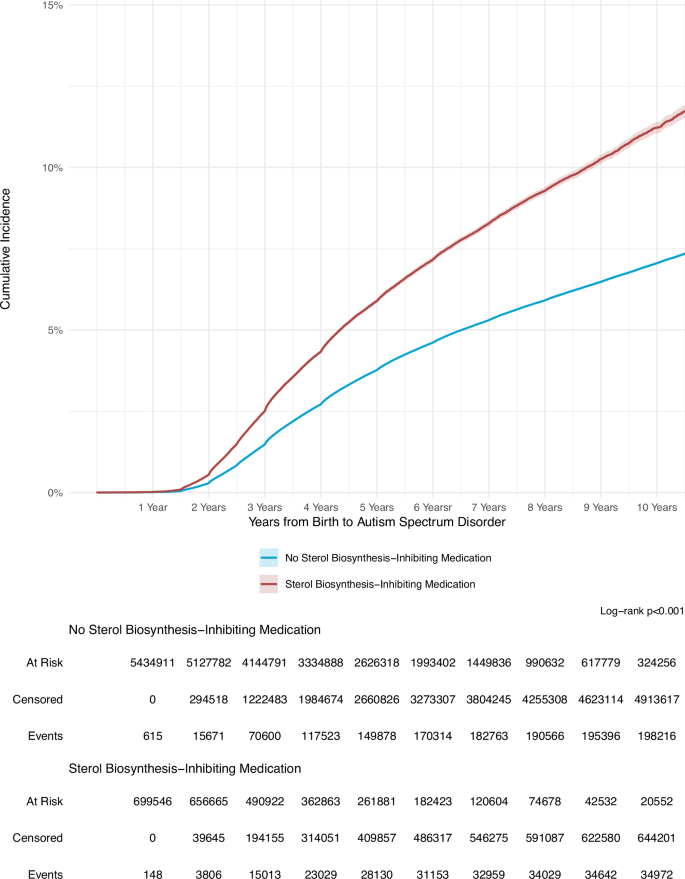 Study Links Antidepressants, Beta-blockers and Statins To Increased Autism Risk
 Pilot Study: Fibromyalgia Fatigue Improved By TENS Therapy