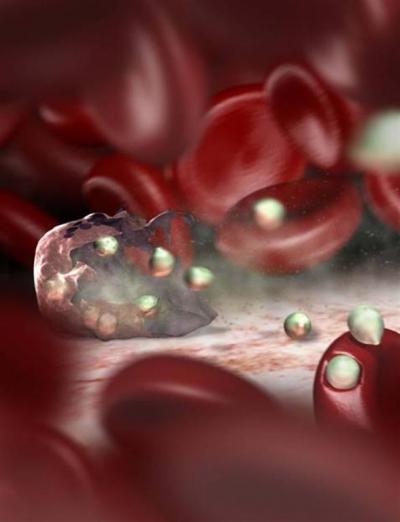
Researchers in Canada are reporting that proteins found in a common garden pea show promise as a natural food additive or new dietary supplement for fighting high blood pressure and chronic kidney disease (CKD). Those potentially life-threatening conditions affect millions of people worldwide.
The study was presented at the ACS meeting in Salt Lake City and says that peas can relieve symptoms of CKD naturally.
Peas long have been recognized as nutritional superstars, with healthful amounts of protein, dietary fiber, and vitamins wrapped in a low-fat, cholesterol-free package. The new research focuses on the yellow garden pea, a mainstay pea variety enjoyed as a veggie side-dish and used as an ingredient in dozens of recipes around the world.
Carbohydrates are tough molecules to build because of their complicated, branched structure. So instead of trying to build carbohydrates from scratch, scientists today use molecules isolated from nature, a painstaking process that could take months.
Speaking at the ACS meeting in Salt Lake City, Peter H. Seeberger, Ph.D., described development of an automated carbohydrate synthesizer, a device that builds these intricate molecules in a few hours — rather than the months or years required with existing technology.
People have always been fascinated by bats, but mostly in their erratic flying and their bizarre habit of sleeping upside down. But landing with bad eyesight is not so easy either and a research team is the first to document the landing approaches of three species of bats — two that live in caves and one that roosts in trees. What they found was that bats landing are like people parallel parking their cars; we recognize it, but they don't all do it the same way.
Evolutionary theorist Alastair Clarke says eight patterns are the basis of all the humor that has ever been imagined or expressed, regardless of civilization, culture or personal taste.
That's right, if you thought you heard that Seinfeld joke before, it's because it is part of your collective unconscious.
Clarke has stated before that humor is based on the 'surprise' recognition of patterns but now he has gone further and identified the precise nature of the patterns involved, addressing the deceptively simple unit and context relationships at their foundation. His research goes on to demonstrate the universality of the theory by showing how these few basic patterns are recognized in more than a hundred different types of humor.
Researchers at the University of Florida have introduced 'Delicious', a new muscadine grape cultivar. 'Delicious' ripens early, produces high yields, and is disease-resistant. The black fruit features exceptional taste and texture with an edible skin, making it well-suited for fresh fruit consumption and the potential for wine production. The name 'Delicious' was selected based on the comments of vineyard visitors who sampled the fruit.
A new study published today in the journal Addiction shows that drinking alcohol is the greatest risk factor for acetaldehyde-related cancer. Heavy drinkers may be at increased risk due to exposure from multiple sources.


 Synchrotron Could Shed Light On Exotic Dark Photons
 The Pain Scale Is Broken But This May Fix It
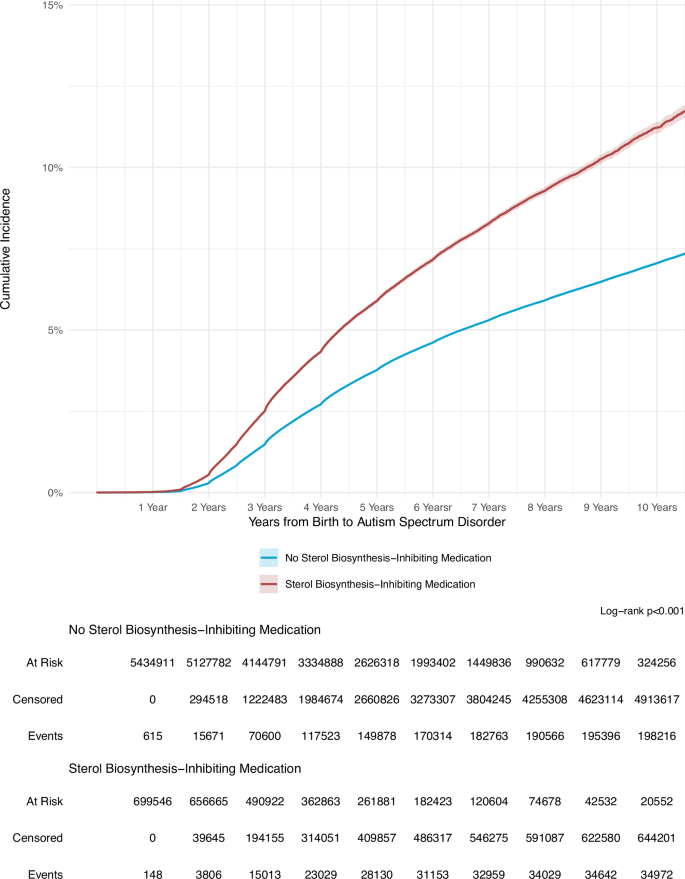 Study Links Antidepressants, Beta-blockers and Statins To Increased Autism Risk
 Pilot Study: Fibromyalgia Fatigue Improved By TENS Therapy