Banner
Synchrotron Could Shed Light On Exotic Dark Photons

There are many hypothetical particles proposed to explain dark matter and one idea to explore how...

The Pain Scale Is Broken But This May Fix It

Chronic pain is reported by over 20 percent of the global population but there is no scientific...
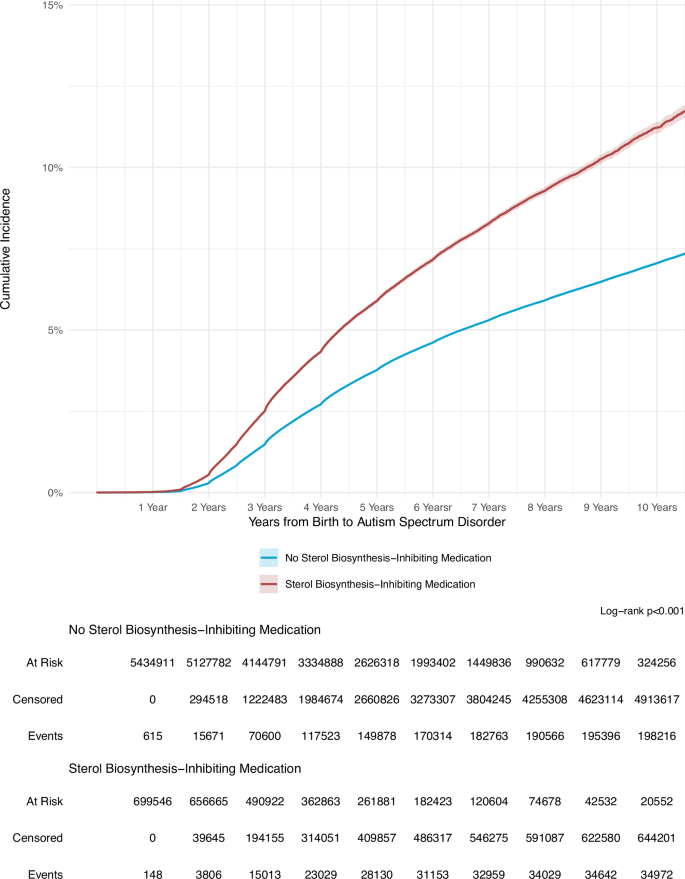
Study Links Antidepressants, Beta-blockers and Statins To Increased Autism Risk

An analysis of 6.14 million maternal-child health records  has linked prescription medications...

Pilot Study: Fibromyalgia Fatigue Improved By TENS Therapy

Fibromyalgia is the term for a poorly-understood condition where people experience pain and fatigue...

User picture.
News StaffRSS Feed of this column.

News Releases From All Over The World, Right To You... Read More »

Blogroll
If physicists lived in Flatland—the fictional two-dimensional world invented by Edwin Abbott in his 1884 novel—some of their quantum physics experiments would turn out differently (not just thinner) than those in our world.

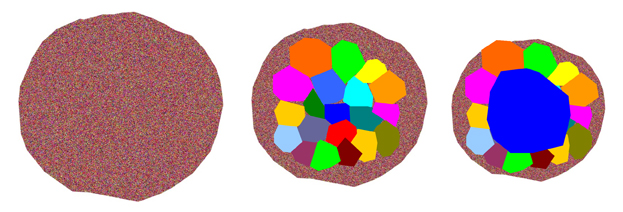
The distinction has taken another step from speculative fiction to real-world puzzle with a paper from the Joint Quantum Institute (JQI) reporting on a Flatland arrangement of ultracold gas atoms. The new results, which don’t quite jibe with earlier Flatland experiments in Paris, might help clarify a strange property: “superfluidity.”
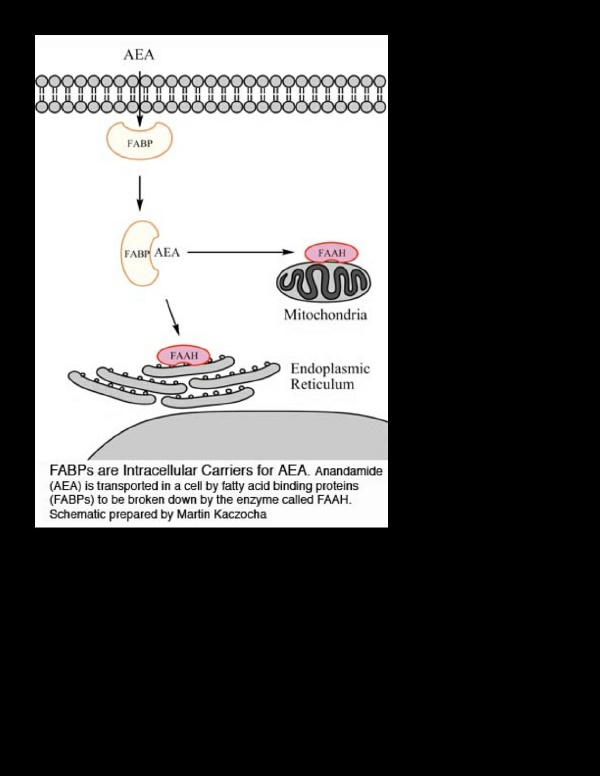
Dale Deutsch, Ph.D., Professor of Biochemistry and Cell Biology at Stony Brook University and colleagues discovered a new molecular mechanism for the processing of endocannabinoids, brain compounds similar to THC, the active ingredient in marijuana, and essential in physiological processes such as pain, appetite, and memory.   Reported online this week in the Proceedings of the National Academy of Sciences (PNAS), the finding could pave the way for new medicines for pain, addiction, appetite control and other disorders.

Researchers have discovered coral beds off the coast of Hawaii that are more than 4,200 years old, making them among the oldest living creatures on Earth.

The team was directed by Brendan Roark of Texas A&M's College of Geosciences and included colleagues from the University of California-Santa Cruz and Australian National University in Canberra.

Two different species of coral beds were documented using carbon dating methods, Roark says, with both being much older than previously believed. One species – Leiopathes – is now confirmed to be about 4,265 years old, while the other species, Gerardia, is believed to be about 2,742 years old.

The safety of early applications of synthetic biology may be adequately addressed by the existing regulatory framework for biotechnology, especially in contained laboratories and manufacturing facilities. But further advances in this emerging field are likely to create significant challenges for U.S. government oversight, according to a new report authored by Michael Rodemeyer of the University of Virginia. Synthetic biology promises major advances in areas such as biofuels, specialty chemicals, and agriculture and drug products. 

Two new greenhouse gases are accumulating in the atmosphere, according to an international research team led by scientists from the Scripps Institution of Oceanography in the US and CSIRO scientist, Dr Paul Fraser, from the Centre for Australian Weather and Climate Research.

Nitrogen trifluoride (NF3) and sulfuryl fluoride (SO2F2) are powerful greenhouse gases that have recently been discovered to be growing quickly in the global background atmosphere.

These gases are used in industrial processes, partly as alternatives to other harmful greenhouse and ozone depleting gases.

Johns Hopkins researchers have discovered a new energy-making biochemical twist in determining the lifespan of yeast cells, one so valuable to longevity that it is likely to also functions in humans. 

Their findings, published in the March 20 issue of Cell, reveal that making glucose is highly influenced by a large enzyme complex already known to fix damaged DNA, and which apparently affects yeast life span through a common chemical process—acetylation. 

In a series of experiments, the Hopkins team showed that when continuously acetylated, the so-called NuA4 enzyme complex causes yeast cells to live longer than they would under normal conditions.