Banner
Synchrotron Could Shed Light On Exotic Dark Photons

There are many hypothetical particles proposed to explain dark matter and one idea to explore how...

The Pain Scale Is Broken But This May Fix It

Chronic pain is reported by over 20 percent of the global population but there is no scientific...
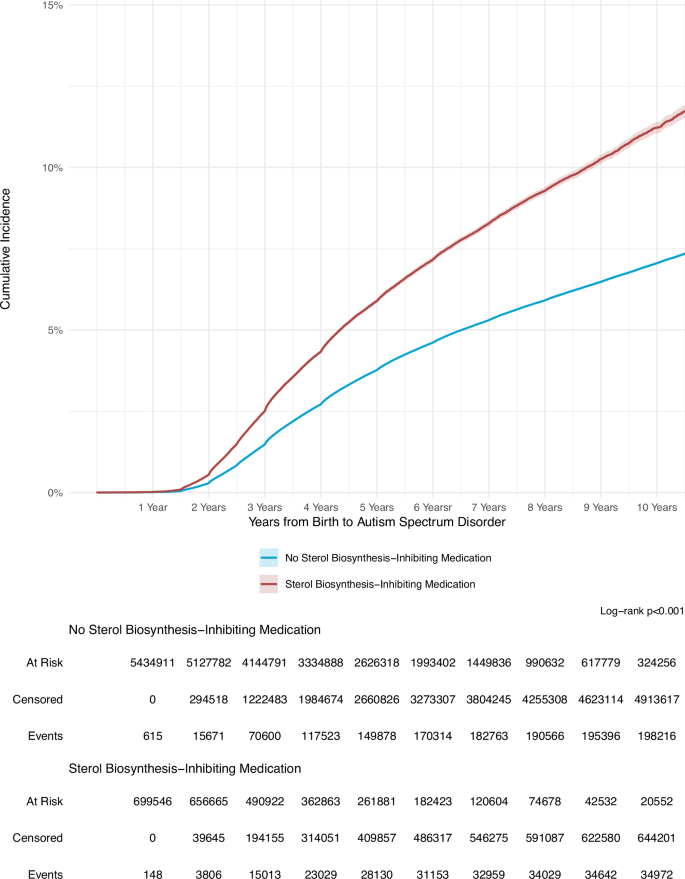
Study Links Antidepressants, Beta-blockers and Statins To Increased Autism Risk

An analysis of 6.14 million maternal-child health records  has linked prescription medications...

Pilot Study: Fibromyalgia Fatigue Improved By TENS Therapy

Fibromyalgia is the term for a poorly-understood condition where people experience pain and fatigue...

User picture.
News StaffRSS Feed of this column.

News Releases From All Over The World, Right To You... Read More »

Blogroll
Individuals with autism spectrum disorders (ASD) tend to stare at people's mouths rather than their eyes. A new study of 2-year-olds with the social deficit disorder suggests why they might find mouths so attractive: lip-sync—the exact match of lip motion and speech sound. Such audiovisual synchrony preoccupied toddlers who have autism, while their unaffected peers focused on socially meaningful movements of the human body, such as gestures and facial expressions. 

Chemists at the University of Illinois have created a simple and inexpensive molecular technique that replaces an expensive atomic force microscope for studying what happens to small molecules when they are stretched or compressed. 

The researchers use stiff stilbene, a small, inert structure, as a molecular force probe to generate well-defined forces on various molecules, atom by atom. 

"By pulling on different pairs of atoms, we can explore what happens when we stretch a molecule in different ways," said chemistry professor Roman Boulatov. "That information tells us a lot about the properties of fleeting structures called transition states that govern how, and how fast, chemical transformations occur." 
The benefits to animals of omega 3 fatty acids in fish oils have been well documented – helping the heart and circulatory system.   Can they also help in improving meat quality and reducing methane emissions?

Perhaps.   Methane given off by farm animals is a major contributor to greenhouse gas levels and researchers from University College Dublin have reported that by including 2% fish oil in the diet of cattle they achieved a reduction in the amount of methane released by the animals.

While physical exercise has been shown to trigger migraine headaches among sufferers, a new study describes an exercise program that is well tolerated by patients. The findings show that the program decreased the frequency of headaches and improved quality of life. The study is published in Headache: The Journal of Head and Face Pain.

The study used a sample of migraine sufferers who were examined before, during and after an aerobic exercise intervention. The program was based on indoor cycling (for continuous aerobic exercise) and was designed to improve maximal oxygen uptake without worsening the patients' migraines.

Chemists reported development of what they termed the first economical, eco-friendly process to convert algae oil into biodiesel fuel — a discovery they predict could one day lead to U.S. independence from petroleum as a fuel.

One of the problems with current methods for producing biodiesel from algae oil is the processing cost, and the New York researchers say their innovative process is at least 40 percent cheaper than that of others now being used. Supply will not be a problem: There is a limitless amount of algae growing in oceans, lakes, and rivers, throughout the world.

Another benefit from the "continuously flowing fixed-bed" method to create algae biodiesel, they add, is that there is no wastewater produced to cause pollution. 
Re-engineering a protein that helps prevent tumours spreading and growing has created a potentially powerful therapy for people with many different types of cancer. In a study published in the first issue of EMBO Molecular Medicine, Canadian researchers modified the tumour inhibiting protein, von Hippel-Lindau (VHL), and demonstrated that it could suppress tumour growth in mice.