Gifted youths already know what they want to be when they grow up - in a lot of cases it's applied sciences, but when they are asked why they made their choices, they are not able to explain.
A study surveyed 800 gifted and non-gifted high-school students and examined the differences in self-concept and other psychological variables between the two groups. The study also observed the ways in which maturing gifted students form their identity. The results showed that while gifted youths have higher self-esteem in their educational achievements, they have lower self-esteem in social and physical aspects.
In a study in the latest issue of European Journal of Neuroscience, an interdisciplinary Northwestern research team says they have found biological evidence that musical training enhances an individual's ability to recognize emotion in sound.
The study found that the more years of musical experience musicians possessed and the earlier the age they began their music studies also increased their nervous systems' abilities to process emotion in sound.
Despite the increased popularity of geek culture – movies based on comic books, videogames, virtual worlds – and the ubiquity of computers, the geek's close cousin, the nerd, still suffers from a negative stereotype in popular culture. This may help explain why women and minorities are increasingly shying away from careers in information technology, says Lori Kendall, a professor in the Graduate School of Library and Information Science at the University of Illinois at Urbana-Champaign.
The popular stereotype of the nerd as the sartorially challenged, anti-social white male hasn't faded from our collective cultural consciousness, and is more prevalent than ever as a stock character in television shows, movies and advertisements.
The helpless behavior that is commonly linked to depression and post-traumatic stress disorder (PTSD) is preceded by stress-related losses of synapses—microscopic connections between brain cells—in the brain’s hippocampal region, researchers at Yale School of Medicine report in Biological Psychiatry.
The team used a six-day treatment with the antidepressant desipramine to reverse helpless behavior and restore hippocampal synapses in rats.
Using ESO's Very Large Telescope, astronomers have gained new insights about the atmosphere of Pluto - (it's a dwarf now, get over it.)
What stands out? Large amounts of methane in the atmosphere and it's hotter than the surface by about 40 degrees, though -180 degrees Celsius is still not the place for your interplanetary tropical vacation. These properties of Pluto's atmosphere may be due to the presence of pure methane patches or of a methane-rich layer covering the dwarf planet's surface.

Astronomers using a telescope aboard the NASA Swift Satellite have captured information from the early stages of a gamma ray burst - the most violent and luminous explosions occurring in the Universe since the Big Bang.
Swift is able to both locate and point at gamma ray bursts (GRBs) far quicker than any other telescope, so by using its Ultraviolet/Optical Telescope (UVOT) the astronomers were able to obtain an ultraviolet spectrum of a GRB just 251 seconds after its onset - the earliest ever captured. Further use of the instrument in this way will allow them to calculate the distance and brightness of GRBs within a few hundred seconds of their initial outburst, and gather new information about the causes of bursts and the galaxies they originate from.


 Synchrotron Could Shed Light On Exotic Dark Photons
 The Pain Scale Is Broken But This May Fix It
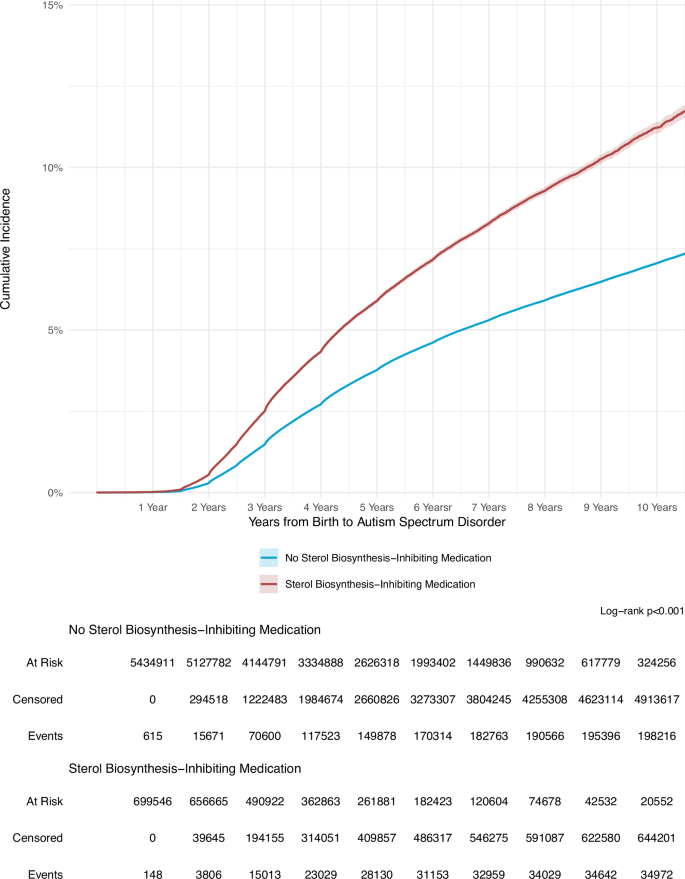 Study Links Antidepressants, Beta-blockers and Statins To Increased Autism Risk
 Pilot Study: Fibromyalgia Fatigue Improved By TENS Therapy