A little more than a year after University of Wisconsin-Madison scientists showed they could turn skin cells back into stem cells, they have pulsating proof that these "induced" stem cells can indeed form the specialized cells that make up heart muscle.
In a study published in Circulation Research, the team showed that they were able to grow working heart-muscle cells (cardiomyocytes) from induced pluripotent stem cells, known as iPS cells.
The heart cells were originally reprogrammed from human skin cells by James Thomson and Junying Yu, two of Kamp's co-authors on the study.
A York University research team has tracked the migration of songbirds, the most common type of bird in our skies, by outfitting them with tiny geolocator backpacks – a world first and interesting because they are too small for conventional satellite tracking. They now say we have underestimated the flight performance of songbirds dramatically.
Adaptation is one of the driving forces behind evolution, along with selection and the appearance of new species, say a group of Ludwig-Maximilians-Universität München researchers, but they say that the interpretation familiar since Darwin - these processes increase the "fitness" of the species overall, since, of two competing species, only the fittest would survive - is actually a case of the fittest being the 'weakest' most often.
University of Leicester biologist Dr David Harper has conducted research for over 25 years at Lake Naivasha in Kenya and says today that your cheap boyfriend's (unless you are are the cheap boyfriend, in which case he means you) cut-price Valentine roses which are exported for sale to the UK are 'bleeding that country dry.'
Harper claimed that cheap roses grown by companies that had no concern for the environment were having a devastating effect on the ecology of Lake Naivasha - the center of Kenya's horticultural industry. Instead, he urged UK shoppers to buy Fair Trade roses produced by companies that he says are environmentally conscientious and had a transparent supply chain.
Are you smarter than a pigeon? We don't mean smarter as in able to figure out why it's $14 a day for lousy internet access in a hotel or $14 to see an old movie in your hotel room or the hospitality industry's general preference for the number 14, we mean practical social smarts, like meeting the opposite sex. Animals have "social smarts" too, it turns out, with a range of behaviors that can enhance species survival, according to studies being presented here in Chicago at the American Association for the Advancement of Science (AAAS) annual meeting.
Evolution shouldn't leave out social behavior, it seems.
Neandertals were the closest relatives of currently living humans. They lived in Europe and parts of Asia until they became extinct about 30,000 years ago. For more than a hundred years, paleontologists and anthropologists have been striving to uncover their evolutionary relationship to modern humans.


 Synchrotron Could Shed Light On Exotic Dark Photons
 The Pain Scale Is Broken But This May Fix It
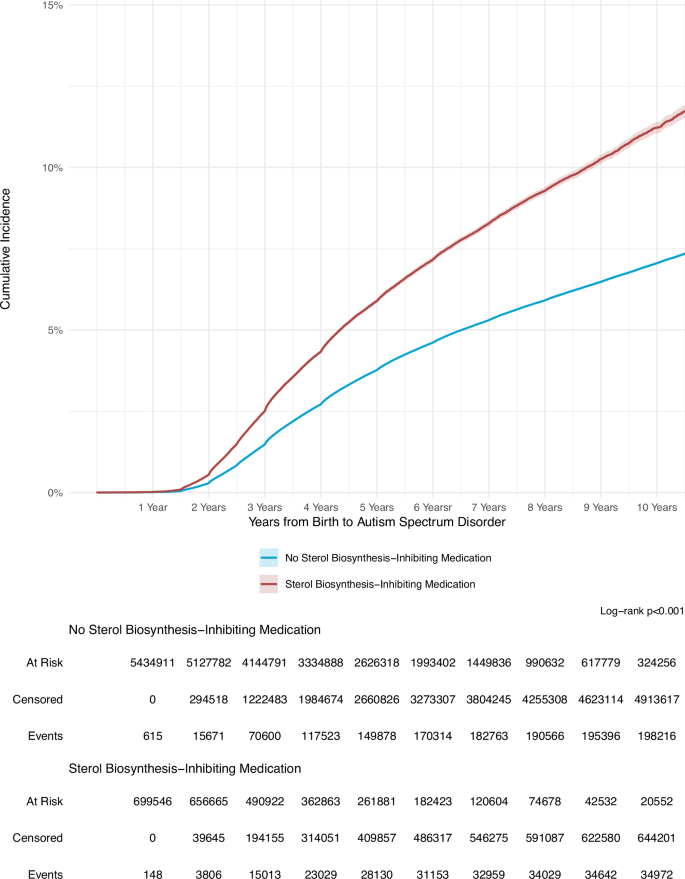 Study Links Antidepressants, Beta-blockers and Statins To Increased Autism Risk
 Pilot Study: Fibromyalgia Fatigue Improved By TENS Therapy








