Banner
Pilot Study: Fibromyalgia Fatigue Improved By TENS Therapy

Fibromyalgia is the term for a poorly-understood condition where people experience pain and fatigue...

High Meat Consumption Linked To Lower Dementia Risk

Older people who eat large amounts of meat have a lower risk of dementia and cognitive decline...

Long Before The Inca Colonized Peru, Natives Had A Thriving Trade Network

A new DNA analysis reveals that long before the Incan Empire took over Peru, animals were...

Mesolithic People Had Meals With More Tradition Than You Thought

The common imagery of prehistoric people is either rooting through dirt for grubs and picking berries...

User picture.
News StaffRSS Feed of this column.

News Releases From All Over The World, Right To You... Read More »

Blogroll

Following a heart attack, part of the heart tissue dies. It is still not possible to restore the scar tissue arising as a result of this. The majority of stem cell researchers attempt to make new heart muscle cells from stem cells. Liesbeth Winter of the Leiden University Medical Center, however, was able to prove the concept of using the embryonic potential of adult human cells to train the heart: this cell therapy ensured that less tissue died and that the remaining heart cells functioned better.

The PhD student used the 'Epicardium Derived Cell' or EPDC. This cell plays a crucial role during embryonic heart development: the embryonic EPDCs provide cells for the connective tissue skeleton of the heart and for the walls of the coronary arteries.

There is a new twist on the question of how biological clocks work.

In recent years, scientists have discovered that biological clocks help organize a dizzying array of biochemical processes in the body. Despite a number of hypotheses, exactly how the microscopic pacemakers in every cell in the body exert such a widespread influence has remained a mystery.

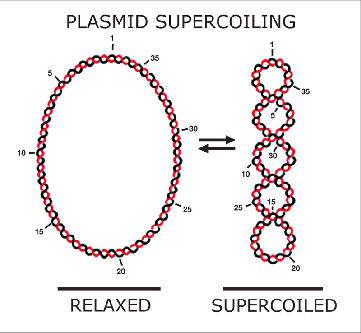
Now, a new study provides direct evidence that biological clocks can influence the activity of a large number of different genes in an ingenious fashion, simply by causing chromosomes to coil more tightly during the day and to relax at night.

Researchers at UCLA, the California NanoSystems Institute, the David Geffen School of Medicine, and the Howard Hughes Medical Institute have modeled the structure of the largest cellular structure ever crystallized, suggesting ways to engineer the particles for drug delivery. The study focuses on newly engineered nanomaterial vaults for use as a drug therapy vehicle.

Vaults are large barrel-shaped particles that are found in the cytoplasm of all mammalian cells, which may function in innate immunity. As naturally-occurring nano-scale capsules, vaults may be useful objects to engineer as therapeutic delivery vehicles. For the study, the team of researchers proposed an atomic structure for the thin outer shell of the vault.

Climate change is the largest environmental change expected this century. It is likely to intensify droughts, storms and floods, which will undoubtedly lead to environmental migrations and potential conflicts in the areas migrated to.

In the aftermath of environmental disasters such as Hurricane Katrina in the US, Rafael Reuveny from Indiana University in the US looks at the role of environmental degradation on population migration, or ‘ecomigration’. He examines its impact on areas receiving migrants and resulting violent conflict in particular. His study has just been published online in Human Ecology.

Several of the world’s most eminent health scientists and organizations today publish a landmark global consensus on the 20 foremost measures needed to curb humanity’s most fatal diseases, their study featured in Nature magazine.

Known as chronic, non-communicable diseases, they are reaching world epidemic proportions and include cardiovascular diseases (mainly heart disease and stroke), several cancers, chronic respiratory conditions, and type 2 diabetes.

Omega-3 fatty acids protect the brain against Parkinson’s disease, according to a study by Université Laval researchers published in the online edition of the FASEB Journal, the journal of the Federation of American Societies for Experimental Biology. This study, supervised by Frederic Calon and Francesca Cicchetti, is the first to demonstrate the protective effect of a diet rich in omega-3 fatty acids against Parkinson’s.

Parkinson’s disease is caused by the progressive death of the neurons responsible for producing dopamine, a neurotransmitter closely linked with movement control. The disease is usually diagnosed when 50 to 80% of these neurons are already dead, and there is currently no medication to stop that process.