Banner
You Didn't Feel Continental Mantle Earthquakes, But They Happened. A Lot

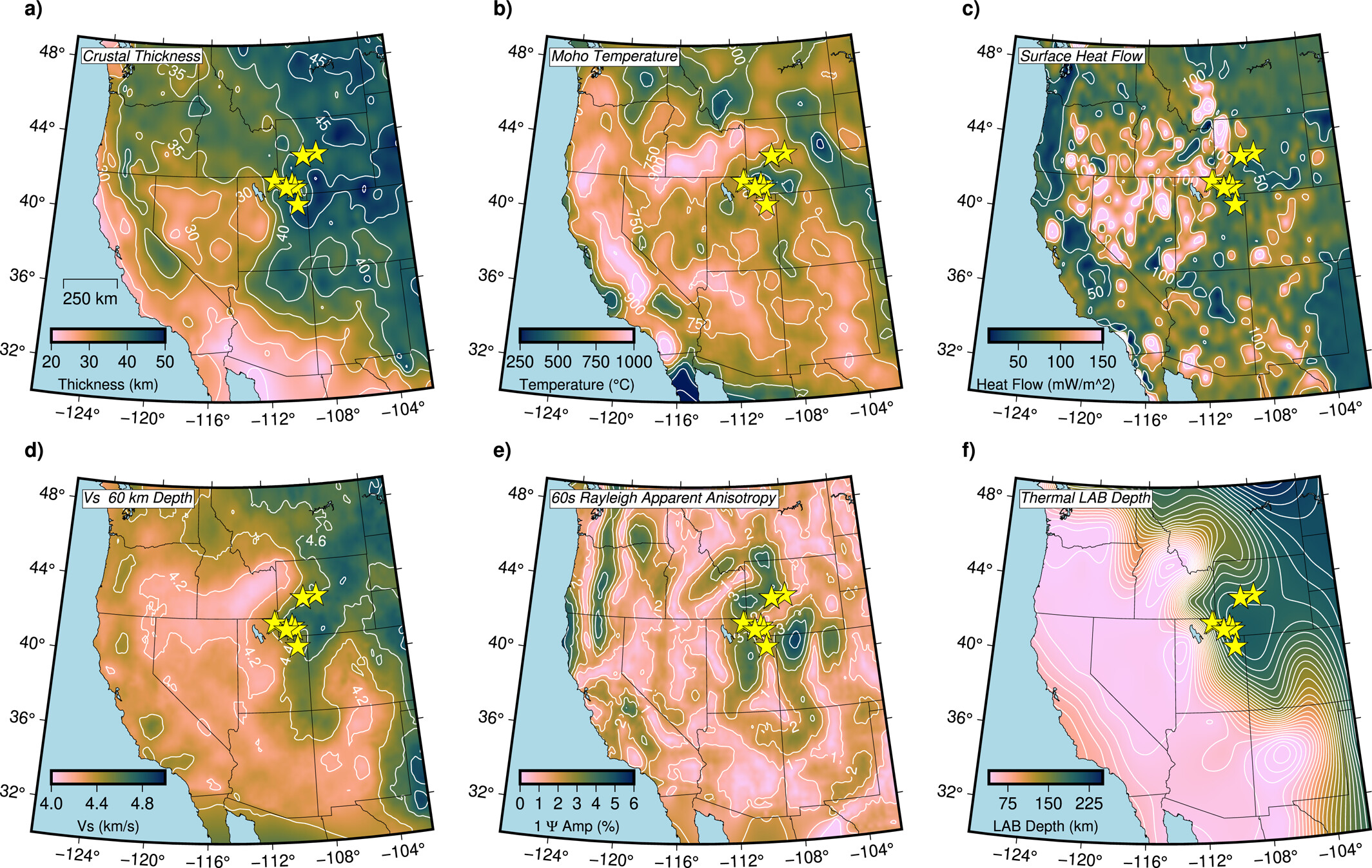
A 1979 seismic event was a different kind of earthquake, and it is has intrigued scientists ever...

How To Overcome Leadership Battles

In times of social rancor and strife, most will fight each other, but societies are saved by those...

Thousands Of Unpublished Studies Show Why Conservation Efforts Miss The Mark

Europe alone has so much unpublished, un-catalogued biological data that it is challenging to take...

Why Antarctic Sea Ice Stopped Growing In 2015

Though numerical models and popular films like An Inconvenient Truth projected Arctic ice...

User picture.
News StaffRSS Feed of this column.

News Releases From All Over The World, Right To You... Read More »

Blogroll

Sea Launch has resumed its countdown for the launch of the Thuraya-3 mobile communications satellite, with liftoff now planned for Sunday, Nov. 18, at 7:37 am PST (15:37 GMT).

The Sea Launch Commander is positioned alongside the Odyssey Launch
Platform, at the launch site at 154 degrees West Longitude, on the equator. A day before liftoff, the launch team will erect the Zenit-3SL rocket on the launch pad and perform final tests on the launch system and the spacecraft before starting the terminal countdown.

During final preparations for liftoff, the platform will be evacuated, with all personnel safely positioned on the ship, four miles from the platform.

A 110 million-year-old dinosaur that had a mouth that worked like a vacuum cleaner, hundreds of tiny teeth and nearly translucent skull bones will be unveiled Thursday, Nov. 15, at the National Geographic Society.

Found in the Sahara by National Geographic Explorer-in-Residence Paul Sereno, paleontologist and professor at the University of Chicago, the dinosaur is a plant eater known as Nigersaurus taqueti. Originally named by Sereno and his team in 1999 with only a few of its distinctive bones in hand, Nigersaurus has emerged as an anatomically bizarre dinosaur.


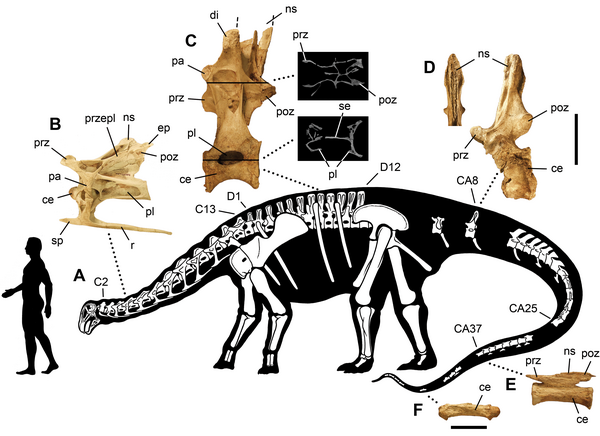
Skeleton of Nigersaurus taqueti. Skeletal reconstruction is based mainly on four specimens (MNN GAD513, GAD 515-518).

NASA's Hubble Space Telescope has probed the bright core of Comet 17P/Holmes, which, to the delight of sky watchers, mysteriously brightened by nearly a millionfold in a 24-hour period beginning Oct. 23, 2007.

Comet 17P/Holmes is a periodic comet in our solar system.
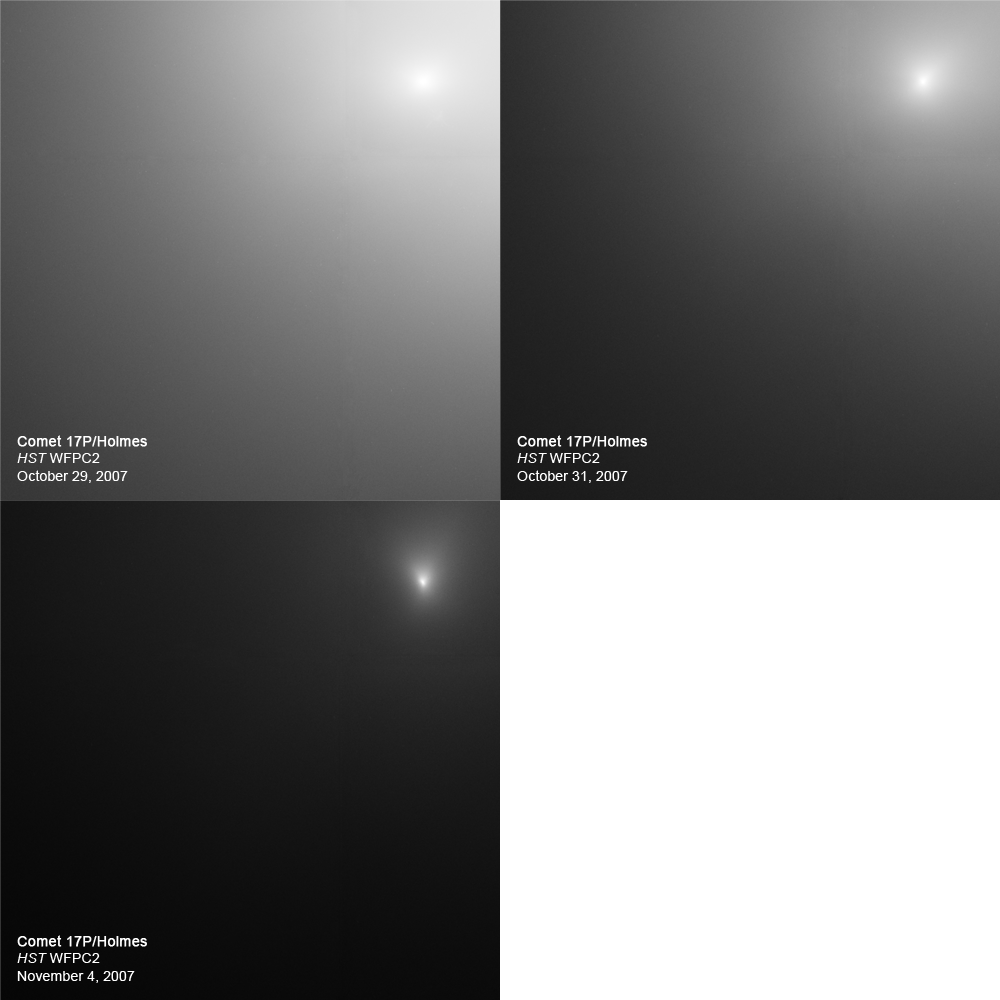
On November 4, 2007, Comet 17P/Holmes was 1.62 Astronomical Units from the Earth, and 2.48 Astronomical Units from the Sun. Constellation: Perseus

Astronomers used Hubble's powerful resolution to study Comet Holmes' core for clues about how the comet brightened. The orbiting observatory's Wide Field Planetary Camera 2 (WFPC2) monitored the comet for several days, snapping images on Oct. 29, Oct. 31, and Nov. 4.

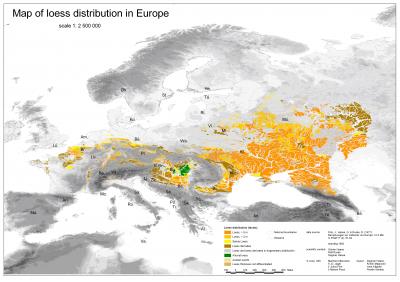
Loess sediments and their soils cover around one-tenth of the earth. In Europe, loess is a powdery product of glaciations during the Ice Age. During those cold periods, this very fine, light material was swept from bare regions on the edges of the glaciers and deposited in regions with denser vegetation.

Loess consists largely of quartz grains and lime. The very fine grains ensure good aeration, water storage and mineral levels. This means that soils derived from loess are very fertile, like the black earth of the Börde plains, but are also particularly susceptible to erosion. It is therefore important to know where exactly these fertile soils so worthy of protection are to be found.

The November 2007 Special Issue of Frontiers in Ecology and the Environment focuses on paleoecology, which uses fossilized remains and soil and sediment cores to reconstruct past ecosystems.

Some scientists argue that the pre-Columbian Amazon was pristine, with indigenous people living in harmony with nature. Others suggest that the Amazon is a “manufactured” landscape, altered by and disturbed by human activities even before the arrival of Europeans. In “Amazonian exploitation revisited: ecological asymmetry and the policy pendulum,” Mark Bush (Florida Institute of Technology) and Miles Silman (Wake Forest University) discuss this debate.

Bush and Silman present paleodata from fossil pollen and charcoal in soil cores that support both perspectives.

The CO2 emissions of 50,000 power plants worldwide, the globe’s most concentrated source of greenhouse gases, have been compiled into a massive new database, called CARMA — Carbon Monitoring for Action.

The on-line database, compiled by the Center for Global Development (CGD), an independent policy and research organization that focuses on how the actions of the rich world shape the lives of poor people in developing countries, lays out exactly where the CO2 emitters are and how much of the greenhouse gas they are casting into the atmosphere.