Banner
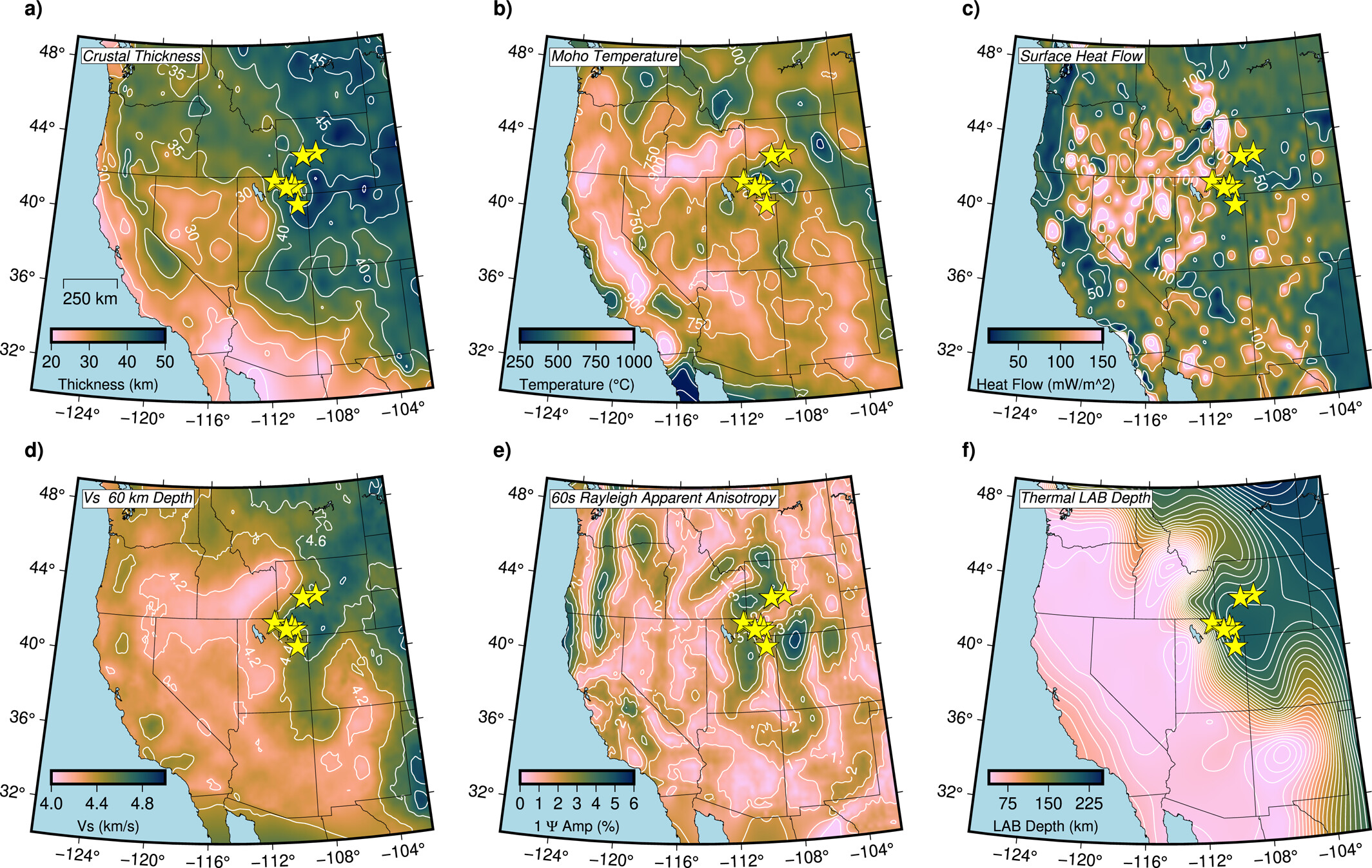
You Didn't Feel Continental Mantle Earthquakes, But They Happened. A Lot

A 1979 seismic event was a different kind of earthquake, and it is has intrigued scientists ever...
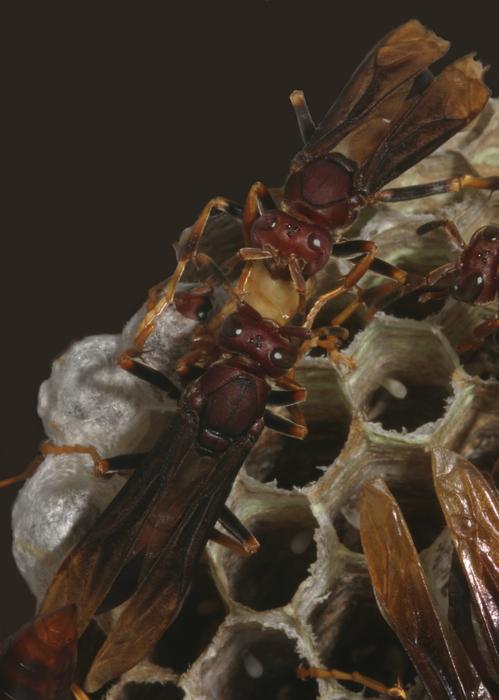
How To Overcome Leadership Battles

In times of social rancor and strife, most will fight each other, but societies are saved by those...
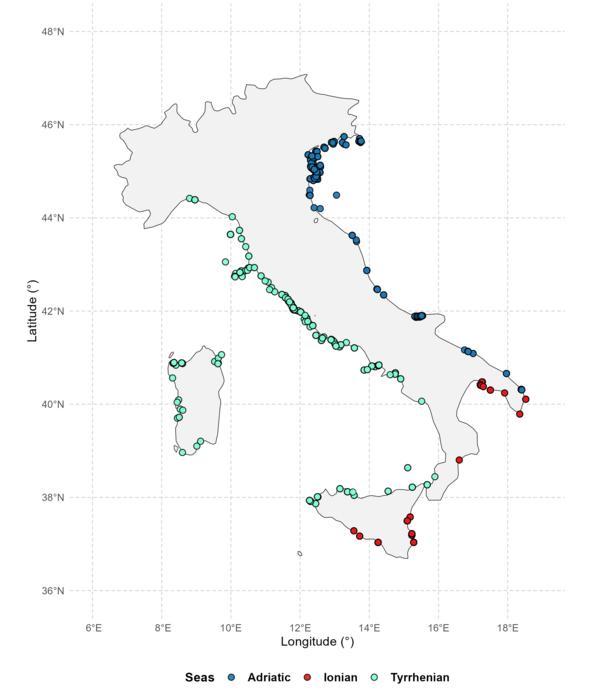
Thousands Of Unpublished Studies Show Why Conservation Efforts Miss The Mark

Europe alone has so much unpublished, un-catalogued biological data that it is challenging to take...

Why Antarctic Sea Ice Stopped Growing In 2015

Though numerical models and popular films like An Inconvenient Truth projected Arctic ice...

User picture.
News StaffRSS Feed of this column.

News Releases From All Over The World, Right To You... Read More »

Blogroll

An earthquake engineer at Washington University in St. Louis has successfully performed the first test of wireless sensors in the simulated structural control of a model laboratory building.

Shirley J. Dyke, Ph.D., the Edward C. Dicke Professor of Civil Engineering and director of the Washington University Structural Control and Earthquake Engineering Laboratory, combined the wireless sensors with special controls called magnetorheological dampers to limit damage from a simulated earthquake load.

Her demonstration is the first step toward implementing wireless sensors for structural control in real buildings and structures, enabling less manpower requirements and far less remodeling of existing structures.

Four-year-old girls are six times more likely to have a Body Mass Index (BMI) of more than 30 than they were 20 years ago and ten-year-olds are five times more likely, according to research published in the April issue of Acta Paediactrica.

Swedish researchers who studied BMI figures for more than a thousand children over two decades discovered that obesity levels had risen significantly among younger children, but that levels were much more constant among teenagers included in the research. They also found that young girls were much more likely to be overweight or obese than boys.

The high rate of diabetes among indigenous people is not due to their genetic heritage, according to a recently published study.

The study was authored by Dr Yin Paradies, an epidemiologist from Darwin's Menzies School of Health Research along with two researchers from the United States. It shows that the high rates of diabetes among indigenous people across the globe are rooted in social disadvantage rather than a genetic pre-disposition specific to indigenous populations.

A vaccine for treating a recurrent cancer of the central nervous system that occurs primarily in the brain has shown promise in preliminary data from a clinical trial at the University of California, San Francisco.

Known as a glioma, this cancerous tumor is always fatal. Findings from a group of 12 study patients showed that vitespen vaccination (trademarked as Oncophage) was effective in stimulating the patient’s immune system to attack the tumor cells, a function that is known medically as tumor-specific immune response. All the patients had recurrent, high-grade glioma, and all showed the immune response. The vaccine is made from the patient’s own tumor.

Two papers by Columbia and Harvard researchers report for the first time that astrocytes (the most abundant non-neuronal cells in the central nervous system), which carry a mutated gene known to cause some cases of amyotrophic lateral sclerosis (ALS/Lou Gehrig's disease), induce motor neuron death. This indicates that astrocytes may contribute to ALS by releasing a toxic factor that damages neurons. These findings, posted online by Nature Neuroscience on April 15, suggest that developing an effective therapy for ALS would require overcoming the destructive effects of astrocytes and replacing the damaged motor neurons, possibly by transplanting motor neurons derived from embryonic stem cells.

Results of two studies funded by Project A.L.S. and appearing in today's advance online publication of Nature Neuroscience demonstrate that embryonic stem cells may provide a new tool for studying disease mechanisms and for identifying drugs to slow ALS, also known as Lou Gehrig's disease.

Both studies were completed by researchers participating in an ongoing collaboration with the Project A.L.S./Jenifer Estess Laboratory for Stem Cell Research, the world's first and only privately funded laboratory focused exclusively on stem cells and ALS.