
Banner
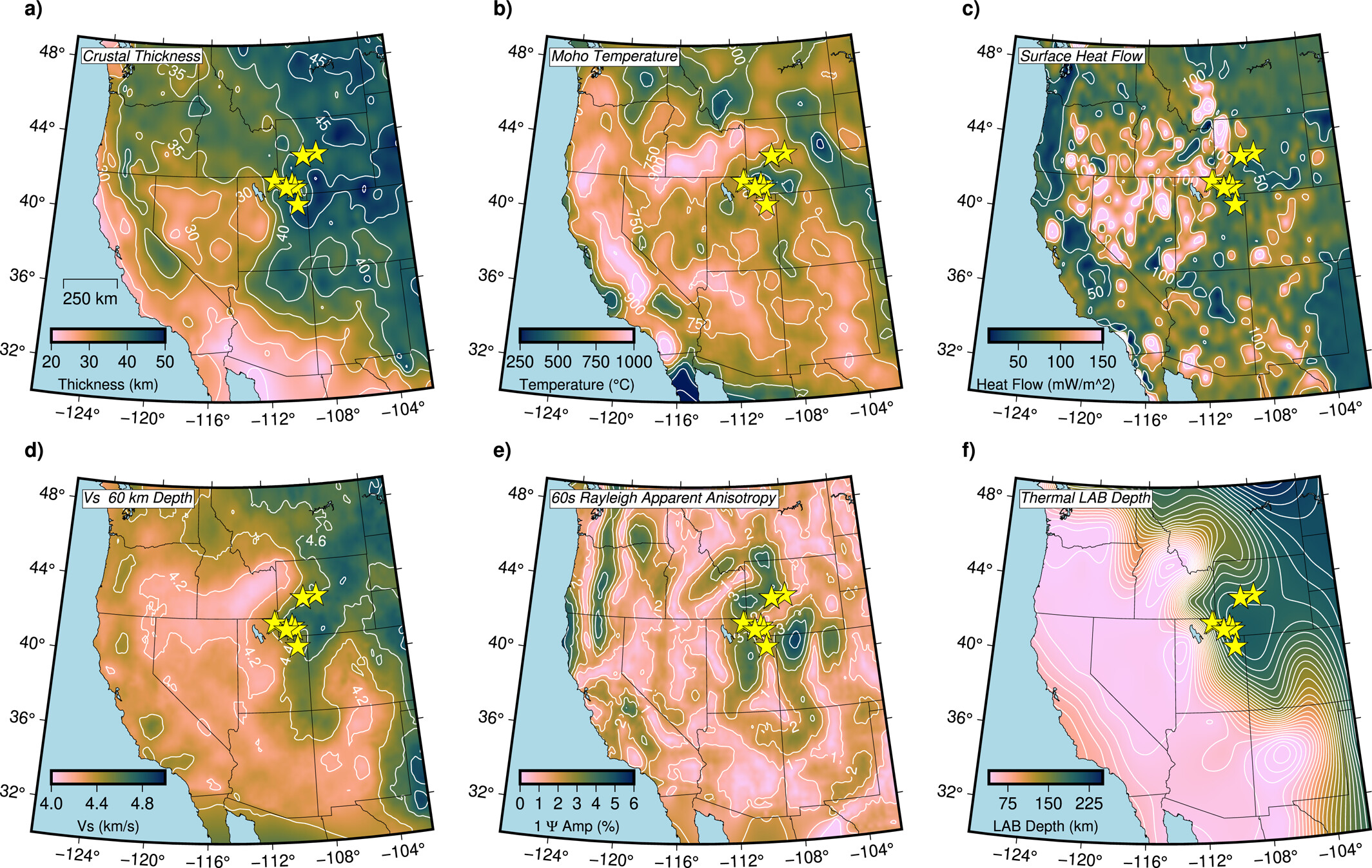
You Didn't Feel Continental Mantle Earthquakes, But They Happened. A Lot

A 1979 seismic event was a different kind of earthquake, and it is has intrigued scientists ever...
How To Overcome Leadership Battles

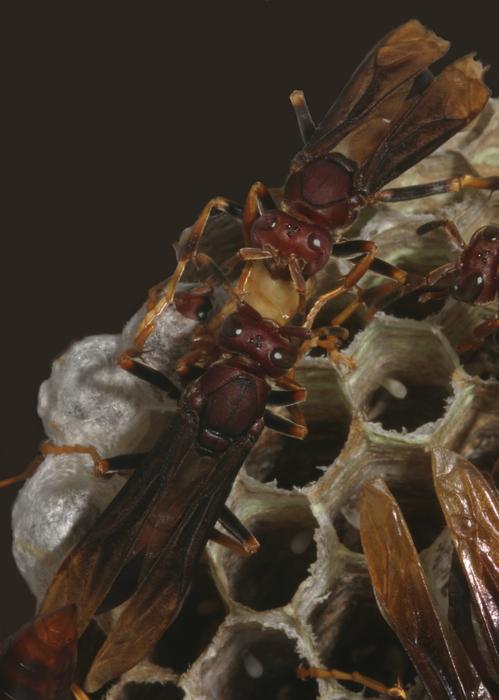
In times of social rancor and strife, most will fight each other, but societies are saved by those...
Thousands Of Unpublished Studies Show Why Conservation Efforts Miss The Mark

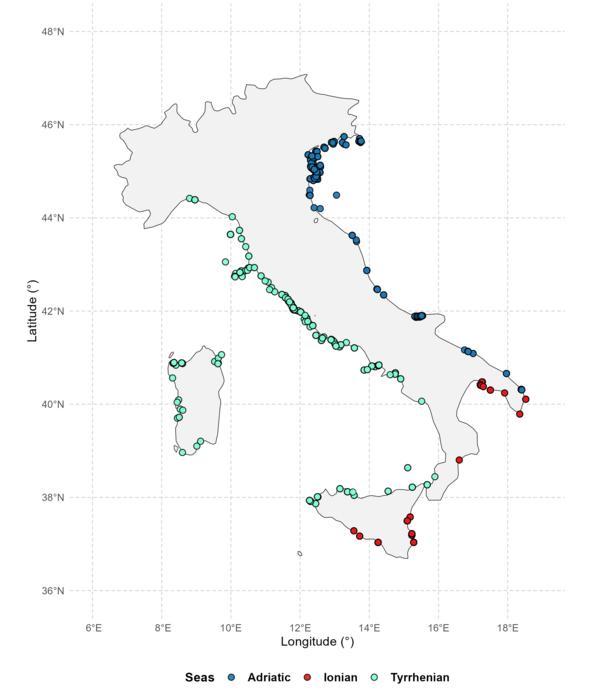
Europe alone has so much unpublished, un-catalogued biological data that it is challenging to take...

Why Antarctic Sea Ice Stopped Growing In 2015

Though numerical models and popular films like An Inconvenient Truth projected Arctic ice...

User picture.
News StaffRSS Feed of this column.

News Releases From All Over The World, Right To You... Read More »

Blogroll

Daniel O’Connor, M.D., Professor of Medicine and Pharmacology at the University of California, San Diego (UCSD) School of Medicine has studied about 265 twin pairs over the past few years, which has led him to some surprising discoveries.

"By studying many traits and genes, we have started to put together unexpected stories," he said.

Whiskers provide a mouse with essential information to negotiate a burrow or detect movement that could signal a predator's presence. These stiff hairs relay sensory input to the brain, which shapes neuronal activity. In a first, studies of this system by Carnegie Mellon scientists show just how well a mouse brain can compensate when limited to sensing the world through one whisker. Published April 4 in the Journal of Neuroscience, the results should help shape future studies of sensory deprivation that results from stroke or traumatic brain injury, say the authors.

A new "black smoker" -- an undersea mineral chimney emitting hot, iron-darkened water that attracts unusual marine life -- has been discovered at about 8,500 feet underwater by an expedition currently exploring a section of volcanic ridge along the Pacific Ocean floor off Costa Rica.

Expedition leaders have named their discovery the Medusa hydrothermal vent field. The researchers are working aboard WHOI's research vessel Atlantis, and the expedition is funded by the National Science Foundation.

One of the challenges of managing forests is deciding among management practices, particularly when the landscape effects these practices will have are not fully known.

Since 1995, Pacific Northwest (PNW) Research Station scientists and their colleagues from Oregon State University and the Oregon Department of Forestry have been conducting research that provides managers with a better idea of the effects—both intended and unintended—that forest management practices can have on landscapes.

Cells constantly swap cargo bound in vesicles, miniscule membrane-enclosed packages of proteins and other chemicals. Before the swap can take place, the vesicle membrane must fuse with another membrane, creating channels packages can pass through.

This process, known as membrane fusion, is fundamental to health and disease. It occurs at fertilization and is particularly critical to keep hormones circulating and brain cells firing. Membrane fusion is also how HIV and other viruses infect cells.

Researchers from the University of Washington, Rosalind Franklin University of Medicine and Science, Merck Laboratories, and Mount Sinai School of Medicine have released a study suggesting that specific laboratory and clinical tests can predict outcome of antibiotic therapy for infections in persons with diabetes.




