




For the last 2,000 years, the area from southern Sweden to central France has been a
temperate deciduous forest zone, and beech tries thrived. The new estimate says that future summers will be warmer, drier and reminiscent of the Mediterranean climate, which are fine for people but not beech trees.
The authors included data on the current distribution of more than 32,000 tree species worldwide and then estimated how they will much they will be exposed to future climates different than what they have. They say 69% of species in at least 10% of their current geographic range are predicted to be exposed to climatic conditions that differ significantly from current conditions, which brings a high risk of loss and even geographical extinction.
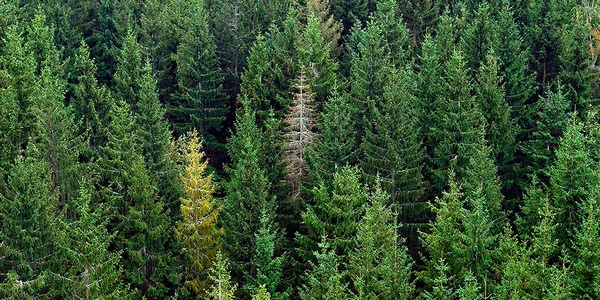
Say goodbye if their estimate is accurate. Credit: Shutterstock
They caution that legacy environmental approaches have been focused on expanding the number of protected natural sites but a government designation doesn't help if the wrong trees are there and the authors call for assisted migration of tree species. But government protection can also go awry. Southern Europe has adopted the California approach to wildlife and banned logging or even clearing dead brush, which turns forests into fuel and causes more wildfires. A smart strategy needs to be adopted before more trees are needlessly lost to fires that could be contained if modern humans managed forests the way natives did.
There will be areas that will be unaffected but the others ironically want no forest management there, placing them at greater fire risk, while simultaneously believing they can be refugia for the endangered tree species - which may be invasive species to their new areas.
Rather than tinkering with invasive species, the smarter idea for concerned Europeans is to get ahead of climate change by cutting back on beech and Norway spruce and adopting trees like pedunculate oak, sweet chestnut, and Scots pine so they will be ready for a possible warming future.





Comments