Fake Banner
Young People Have Become Jaded To Emotional Appeals On Screens - And That Is Good

Running a pro-science nonprofit is a poor business model. Especially compared to lawyer groups...
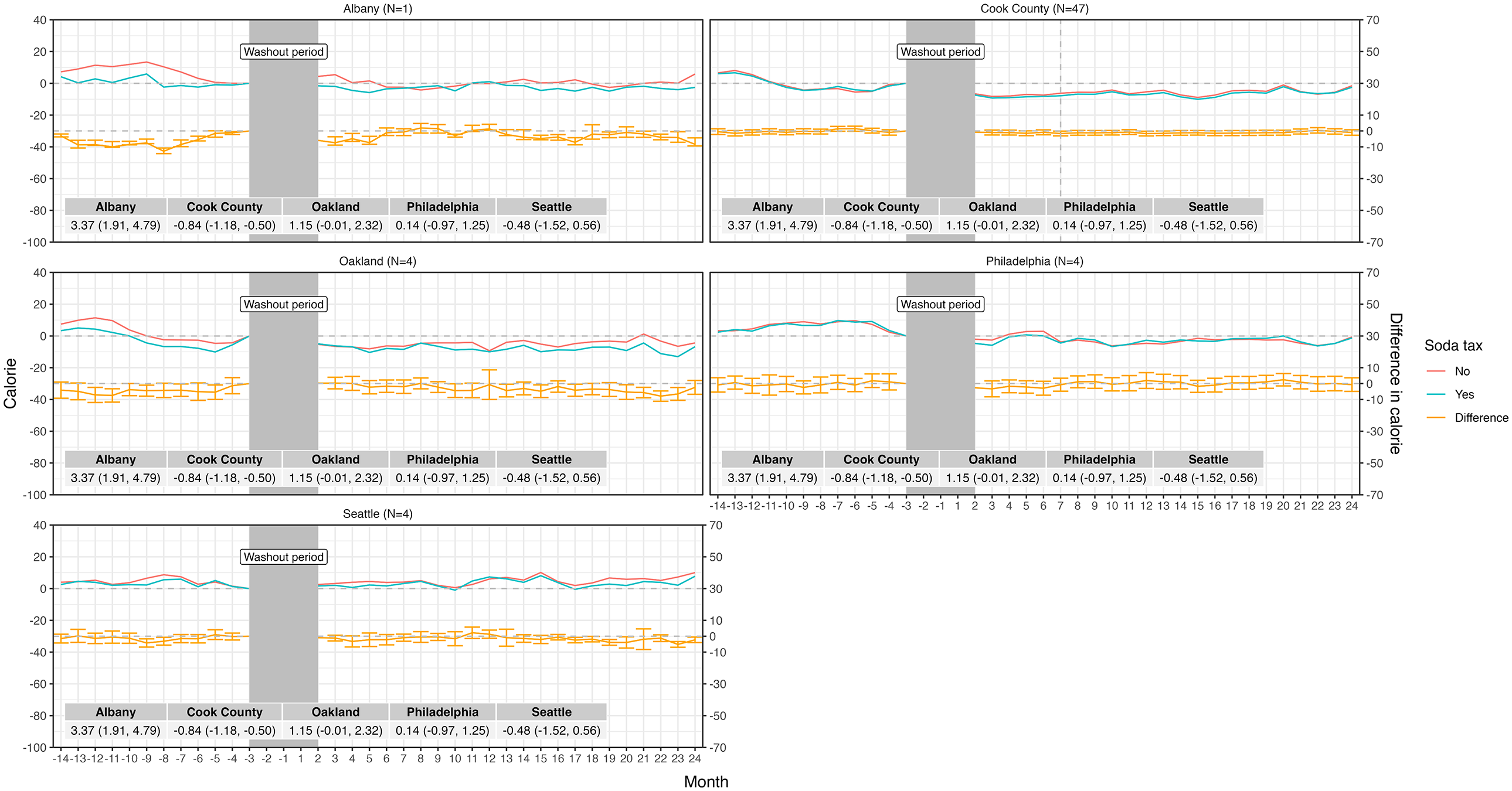
The Feel Good Fallacy Of Sugary Drink Taxes On Reducing Obesity

Social authoritarians like to make people more reliant on government and then control what people...

Environmental Groups Back In Court To Help Fellow Rich White People

The Usual Suspects of the anti-science movement, Center for Biological Diversity(1), Environmental...
Batteries Are Stuck In The 1990s Because Solid-State Batteries Keep Short-Circuiting

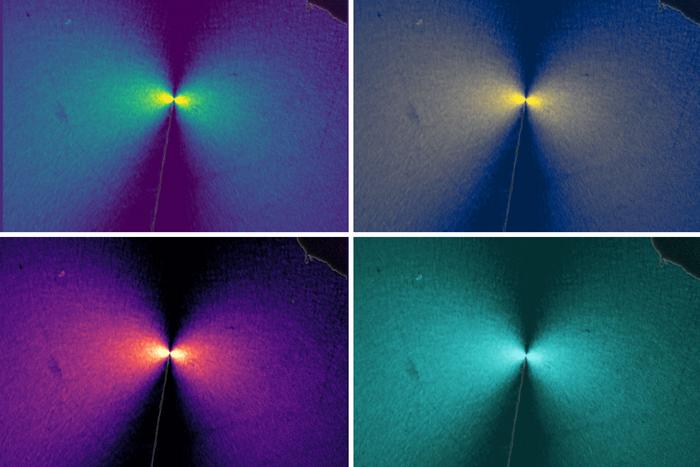
The electric car industry is held back by reliance on conventional energy. Despite spending trillions...

User picture.
picture for Fred Phillipspicture for Tommaso Dorigopicture for picture for Hontas Farmerpicture for Atreyee Bhattacharyapicture for Patrick Lockerby
Hank CampbellRSS Feed of this column.

I founded Science 2.0® in 2006 and since then it has become the world's largest independent science communications site, with over 300,000,000 direct readers and reach approaching one billion. Read More »

Blogroll
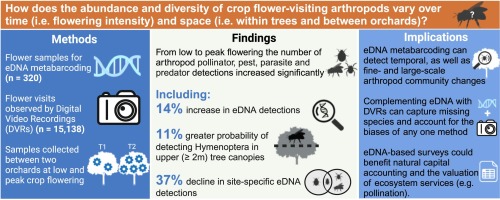
A recent paper claims that even at low doses pesticides, herbicides, and fungicides are changing the behavior of insects.

Though they are not able to show how it is happening, the authors use 'needs more testing' rhetoric to call on governments to ban chemicals until it is certain there is no unintended long-term ecological harm. If that sounds very Robert F. Kennedy, Jr., that's because he and other anti-science progressives have been saying it for decades.
A whole lot of classic liberals have discovered how goofy their progressive cousins have been for 25 years. All it took for this sudden embrace of critical thinking was for a Republican to say 'maybe he is right on food and medicine' about Robert F. Kennedy Jr.
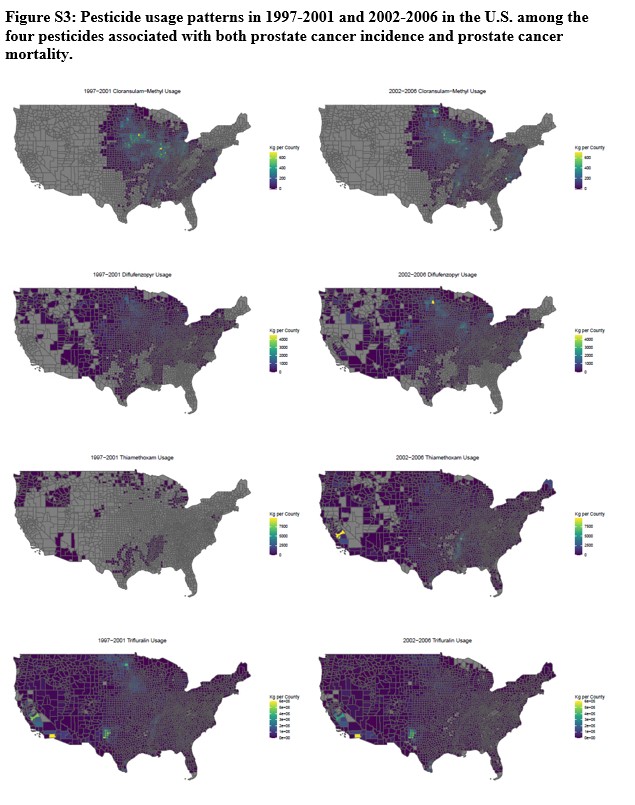
A recent epidemiology paper links common weedkillers to prostate cancer and further claims four of them cause death. 

Obviously they can't show that, there is no plausible biological mechanism, no increase in prostate cancers, and no evidence any of the people who got prostate cancer had contact with the pesticides at all.
GMOs had quietly been in use for decades when they became controversial - for saving a fruit in Hawaii that legacy techniques like breeding and chemicals had not.

The Rainbow Papaya became a home run for genetic engineering, the first genetically rescued organism, and that made it a target for environmental groups who had ignored it when it was saving diabetics by creating insulin.

Lawyers have not stopped campaigning against GMOs since, and are calling on all media allies to criticize Mexico for refusing to ban GMO corn, but while they fight the past, biotech may be winning another fight for the future; against malaria.
Once upon a time, environmentalists embraced biotechnology as key way to reduce pesticide use. Rachel Carson, author of "Silent Spring", was a fan of genetic engineering. That was before we all learned that environmental groups are only 'for' something if it means they can raise money being against something. Biotech was great - until it was real. Then they hated it. Along with hydroelectric power and natural gas, and how they will want to tear down solar energy, once it stops being a government gimmick.
In ancient civilizations, rulers and nobles exchanged gifts as acts of prestige. Only when Assyria came into existence, and it had a need for manpower and resources to feed its conquering empire, did gifts turn into taxes and government become overlord of its people, who were moved from place to place and told what to do by elites.