If you believe that disparity between male and female salaries is sexism or at least gender bias, well, you may have a point. There's no doubt that, outside single women and men, there is a pay difference (lower for women) and an hours worked difference (more for men), so no matter which side you choose in the argument, you have a valid data point.
Organic food has terrific marketing. Despite being mega-corporations in a multi-billion dollar business, they have convinced their customers they are all small and unique and wholesome; kind of like Apple has managed to do with its technology products.
You know it is big business when companies sue each other over an employee and 'trade secrets'.
Is psychology a science?
Increasingly, the respect of science (and scientists) by the public has been dropping and a part of that reason is because the line of what science is has become fuzzy. If economics calls itself science, well, the public knows they don't know what they are talking about, so maybe it applies to climate science too. Is sociology science? What about parapsychology?
If the definition of science becomes relative, then so does acceptance of science, in a slippery slope world, so we can't expect people will accept FDA findings as science if political science is funded by the National Science Foundation and the public knows that isn't scientific at all.
Over the last year there has been increasing recognition that it isn't "the right" who are anti-science. The left has far more anti-science people; percentage-wise,
there are more anti-vaccine people who vote Democrat than there are Republicans who deny evolution or global warming. Ditto for anti-GMO stances, people who believe in psychics and UFOs, etc. The list of kooky positions that turn out to be held by people on the left is huge but you wouldn't know that from science media of the past decade.
Last year I wrote about
somewhat silly claims that Wikipedia must be sexist because it had poor female representation. Wikipedia is an open, voluntary community, I argued, some people are just not going to do it.
Eugenics, the darling of elite, educated progressives 100 years ago in their quest to create Utopia, has been out of favor since those crazy Germans took it too far in the late 1930s, but there is one sound reason it found favor; why wouldn't we eliminate serious diseases beforehand instead of treating them after?


 Environmental Groups Back In Court To Help Fellow Rich White People
 Batteries Are Stuck In The 1990s Because Solid-State Batteries Keep Short-Circuiting
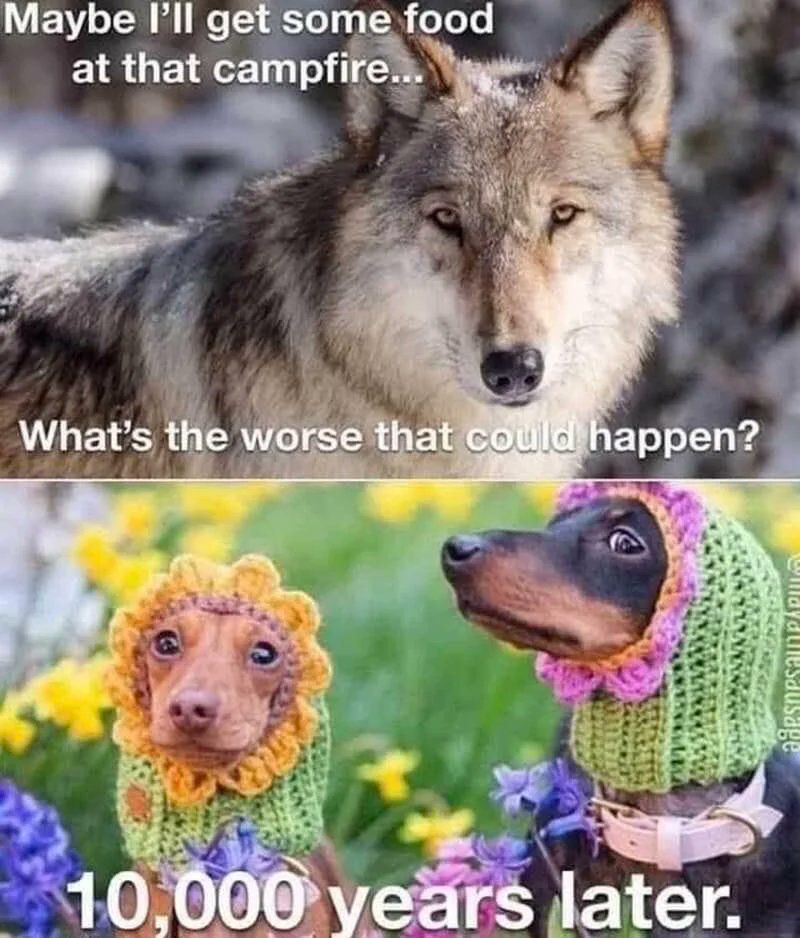 Dogs Have Been 'Man's Best Friend' For 14,000 Years
 Is This The D'Artagnan Made Famous In 'The Three Musketeers' By Dumas?