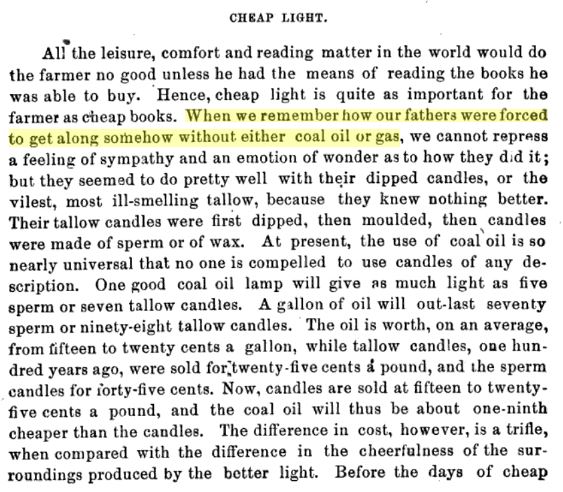





Energy is the great equalizer in human existence. 

Don't have enough water? Energy can fix that. Want to make a culture that prizes libraries, art, and education? Give people affordable energy. We can even do what ancient alchemists could not, turn lead into gold, with enough energy.

It goes almost without saying that energy made the difference when it comes to farming. In the early days of agriculture, one person might work harder than another, and they might even be prized for that, but nothing boosted productivity like when oxen came into use. No person could do the work of eight others but the ox could. Then the heavy plow raised the bar of energy efficiency again, and then the tractor. 
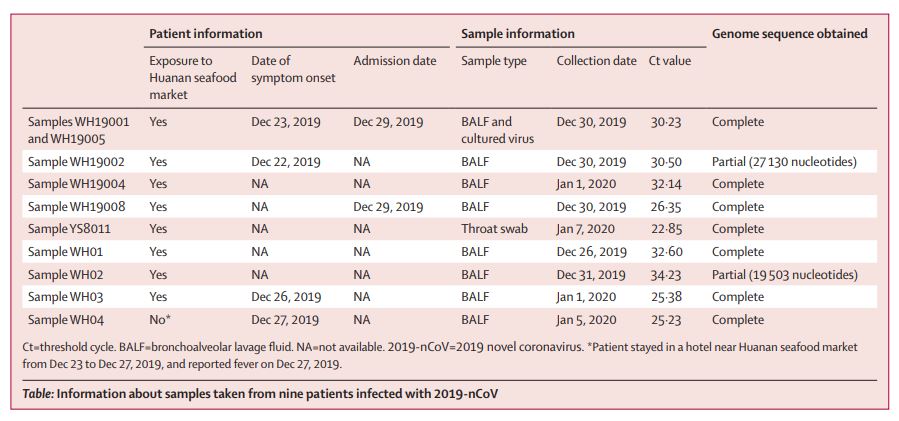
New genetic analysis of 10 genome sequences of novel coronavirus (2019-nCoV) from nine patients in Wuhan finds that the virus is most closely related to two bat-derived SARS-like coronaviruses, according to a study published in The Lancet.

The authors say that although their analysis suggests that bats might be the original host of the virus, an animal sold at the Huanan seafood market in Wuhan might represent an intermediate host that enables the emergence of the virus in humans. 
Pyrus calleryana (Callery pear) is a tree native to China and Vietnam that California government introduced a hundred years ago after natural fire blight wiped out much of the European pear crops grown in the state. 

Since the callery pear was highly resistant to fire they wanted to graft it to the European pear trees, so researchers traveled to China, then took a four-day boat ride from Wuhan up the Yangtze to where the natural trees grew in abundance. As a bonus, they found it could grow anywhere, and that meant it could grow as landscape even in a state that is mostly desert and artificially watered like California.
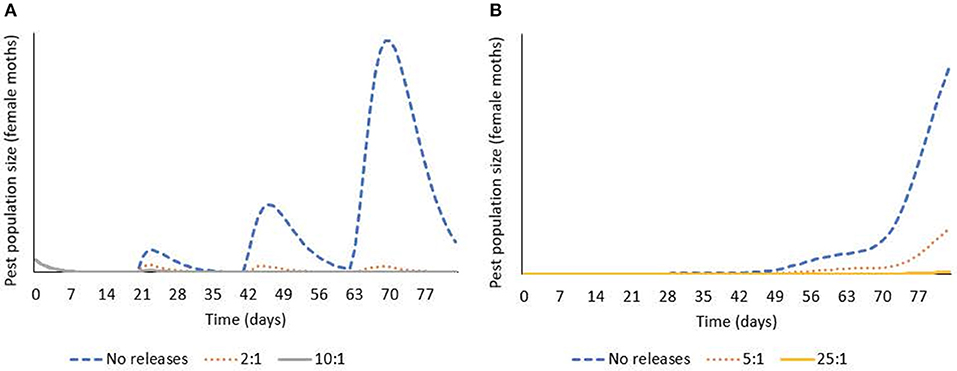
Plutella xylostella (diamondback moth) does tremendous damage to brassica crops such as cabbage, broccoli, cauliflower and canola. A new strain of diamondback moth developed by Oxitec Ltd, (OX4319L) is modified to control pest diamondback moth in a targeted manner. It limits its  pest counterparts because they find and mate with pest females, but they pass along a self-limiting gene to offspring, which prevents female caterpillars from surviving.

With sustained releases, the pest population is suppressed in a targeted, ecologically sustainable way. After releases stop, the self-limiting insects decline and disappear from the environment within a few generations.
Surveys sought to find out how common suicidal ideation and mental health disorders were during combat deployment and to examine the associated risk factors. Some of the greatest risks were being white, having past non-combat trauma, and past major depressive disorder.
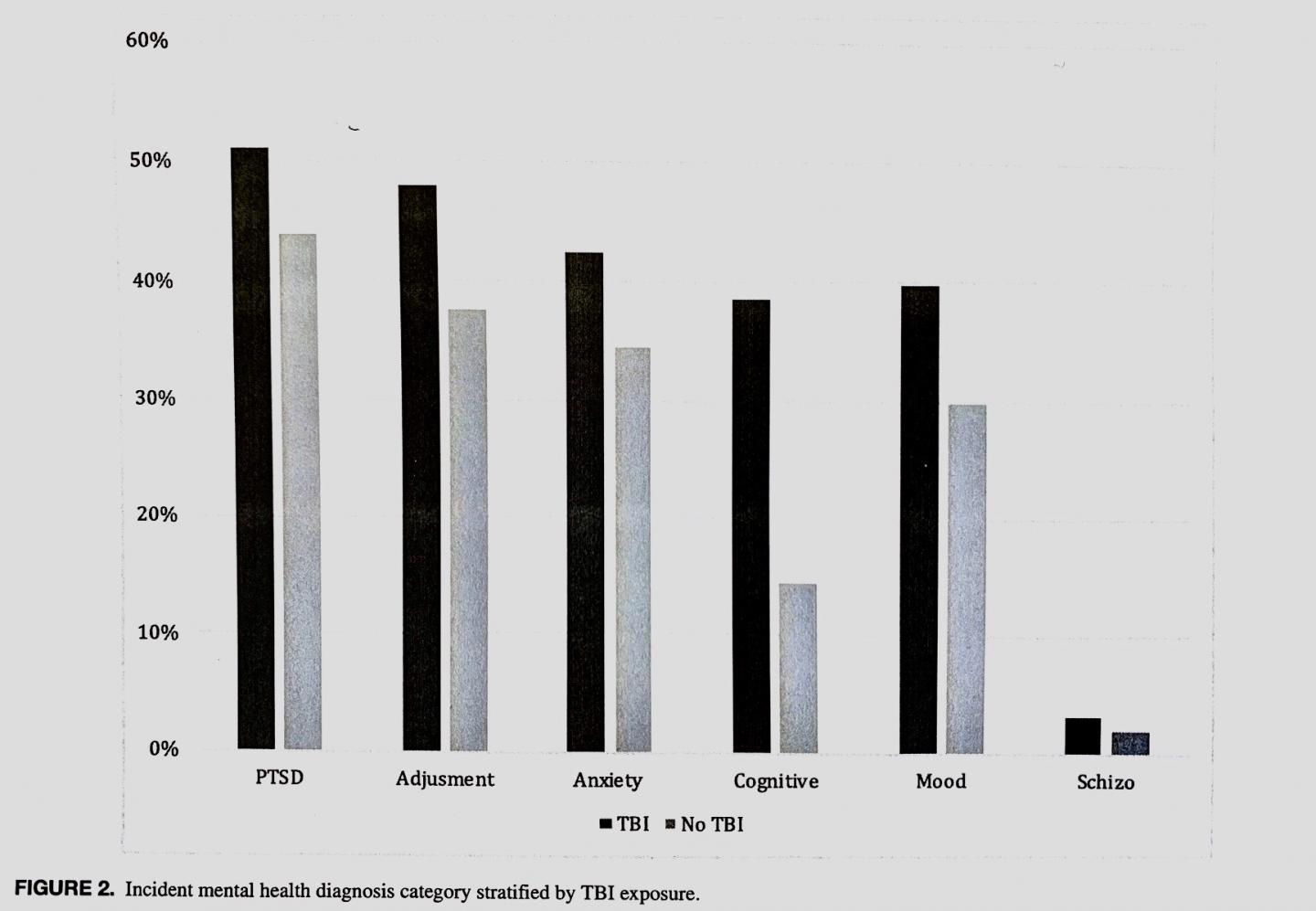
An exploratory result, published in Military Medicine, finds that soldiers with traumatic brain injury are more likely than soldiers with other serious injuries to experience a range of mental health disorders.

The retrospective analysis examined the cases of 4,980 military members who were severely injured during combat in Iraq and Afghanistan between 2002 and 2011. Nearly a third of them suffered moderate or severe traumatic brain injury (TBI).

The Handmaid’s Tale is a TV series based on the 1985 novel of the same name by Margaret Atwood that presents a dystopian vision of a male-dominated society known as Gilead.

Widespread infertility means that the few fertile women who remain have been enslaved as handmaids and assigned to Gilead’s leaders to produce their future offspring. The series follows the struggles of June, who was separated from her family and forced to become a handmaid.

But just what is a reference to the evolutionist Charles Darwin doing in an episode of The Handmaid’s Tale?

In 2002, Berkeley Professor Tyrone Hayes got a paper titled "Hermaphroditic, demasculinized frogs after exposure to the herbicide atrazine at low ecologically relevant doses" published in Proceedings of the National Academies of Science.

In it, he claimed this common herbicide was changing the sexuality of frogs, an indicator species.

As it turns out, there is a well-established relationship between pesticides, GMO crops, cancer and any number of other diseases, but it’s probably not the link that most people assume -- and certainly not what you read in the press these days.

The opioid crisis and deaths related to e-cigarette use among teenagers have dominated news headlines recently. Recently, the Centers for Disease Control and Prevention reported that 34 people had died as a result of vaping and, in 2017, opioid addiction was responsible for more than 47,000 deaths in the U.S. Opioid addiction has been declared a public health emergency.


