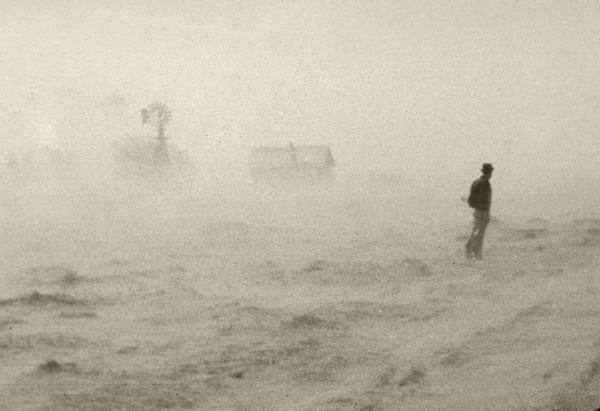
In November of 2019 The Atlantic asked "experts" what they would change if they could go back in time. The experts had titles like "mythographer" - no scientists invited - so it's no surprise only one response had real-world relevance.(1) A historian at Rutgers wished agriculture had never been invented. Agriculture, that fundamental progressive achievement which made food plentiful so that we no longer spent our days foraging and could learn things and, you know, create universities, had to be undone.

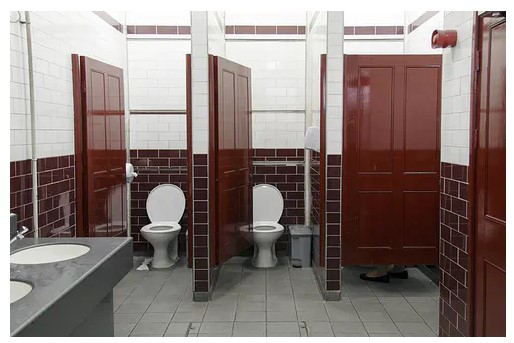
Most public restrooms are grungy in the best of times. Now, we have the coronavirus risk to contend with, too. There are lots of risks – dirty sinks and door handles, airborne particles and other people in small, enclosed spaces who may or may not be breathing out the coronavirus.

So, how do you stay safe when you’re away from home and you’ve really got to go?

As a medical doctor and epidemiologist, I study infectious diseases involving the gastrointestinal tract. Here are four things to pay attention to when it comes to any public restroom.

What goes into the toilet doesn’t always stay there

Have you ever thought about what happens when you flush a toilet?

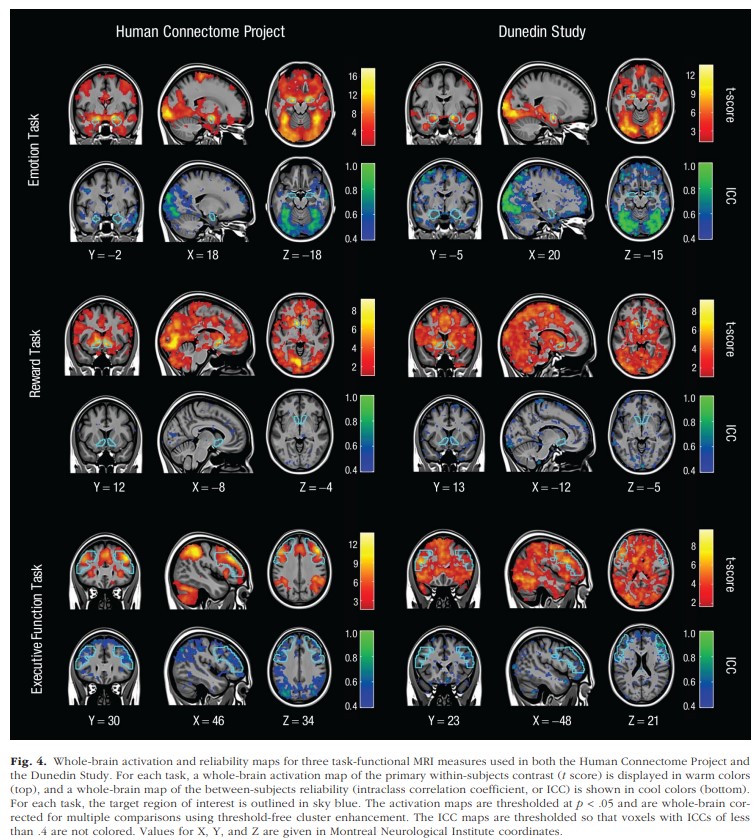
Ten years ago science journalists talked about functional MRI (fMRI) scans all of the time. Because if a part of the brain lit up when someone did, said, or read something, it went into a paper. Few asked who was doing the interpreting, how legitimate the scale was, and if it had any scientific relevance. We got media claims that fMRI would predict behavior and the resulting media attention caused scholars to rush to produce even more fMRI papers.
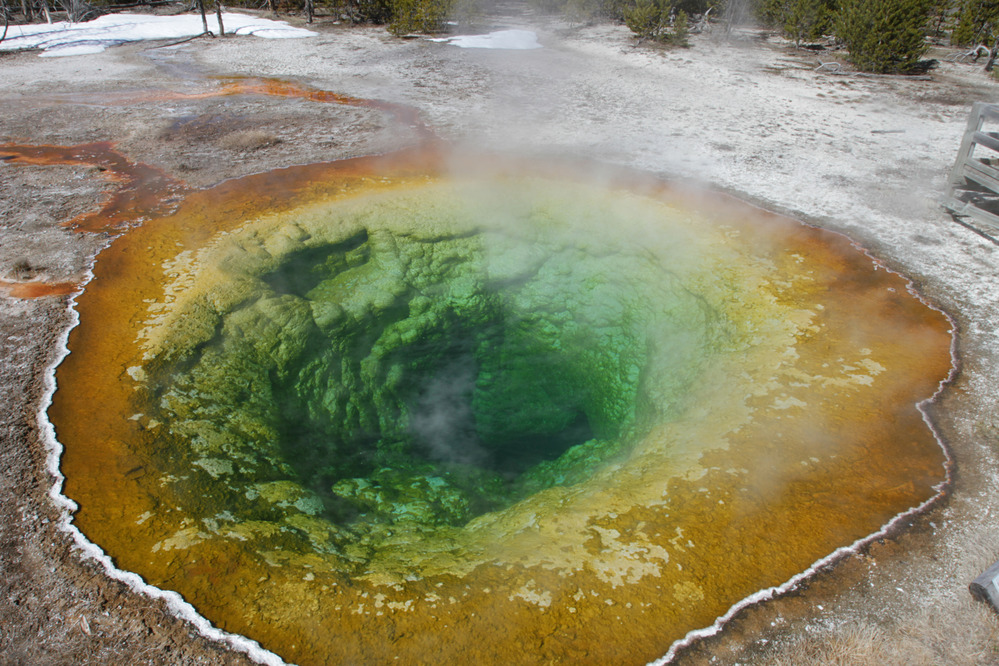
From Australian wildfires to COVID-19 to murder hornets to race wars in Manhattan, 2020 looks to be a challenging year. It could still get worse, but science shows it won't be due to Yellowstone blowing its top. 

Yellowstone is one of those scenarios doomsday "preppers" worry about. They are right to be concerned if it does happen, but they don't understand hazard (what could happen) and risk (the likelihood of the hazard) any better than environmentalists worrying about weedkillers do. 
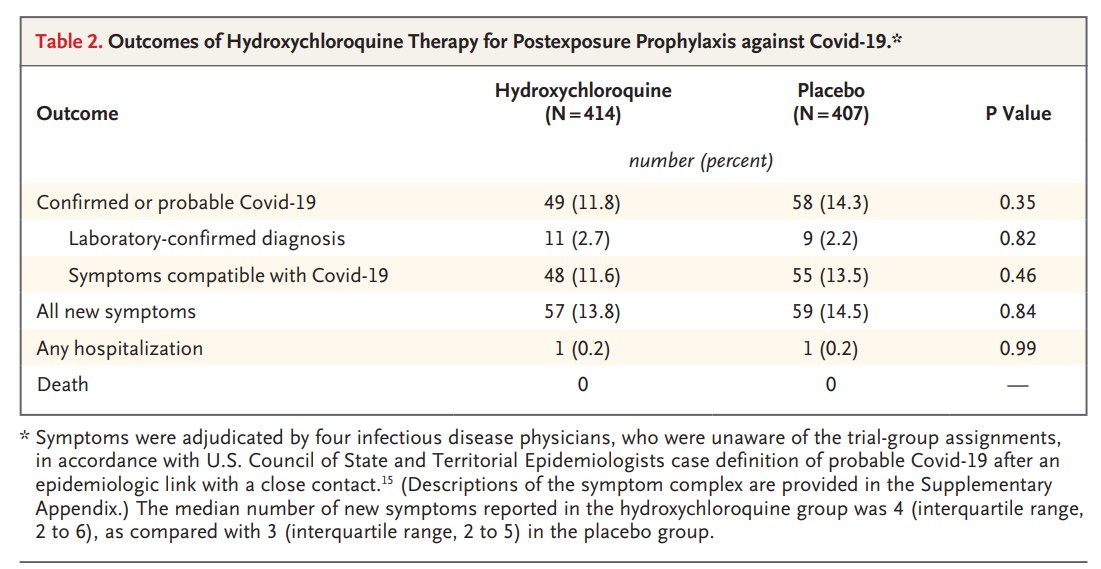
As the search for an effective COVID19 treatment goes on, one therapy keeps re-appearing in the headlines: hydroxychloroquine. Early, observational studies on the use of hydroxychloroquine to treat patients with COVID19 failed to show any real benefits of the drug. The ability of hydroxychloroquine to prevent the development of COVID19, however, remained largely untested. But a study on the effectiveness of hydroxychloroquine to prevent COVID19 has been published and the results are not what anyone was hoping for.

The Set-Up

The antimalarial drug chloroquine (analogue hydroxychloroquine) is also successfully used to treat lupus, rheumatoid arthritis, and autoimmune diseases said to have similar biological mechanisms as COVID-19 and, lacking any remedies besides what can be done for the flu, in March the U.S. Food and Drug Administration (FDA) granted emergency use authorization for those compounds as treatments.

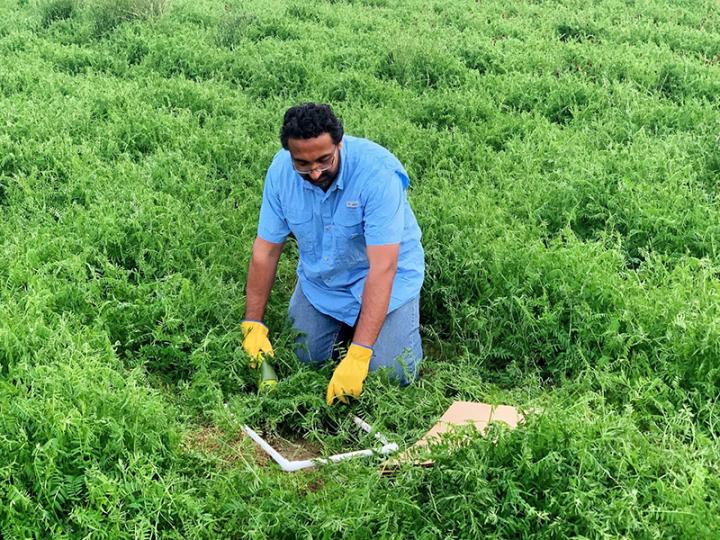
Cover crops are touted for their soil and water quality related benefits. A new paper found that incorporating cover crops with tillage results in increased cover crop decomposition rates and increased mineralization of nutrients from cover crop biomass.

Other studies have reported mixed results for corn-soybean grain yields when planted after cover crops.

Thanks to COVID-19, the public has gotten a lot more skeptical about claims that chemicals, food, and medicine are corporate conspiracies created to replace natural products that worked just fine. Even more ridiculous has been the belief that millions and millions of people are dying from these newer products even though there are no bodies to be found.

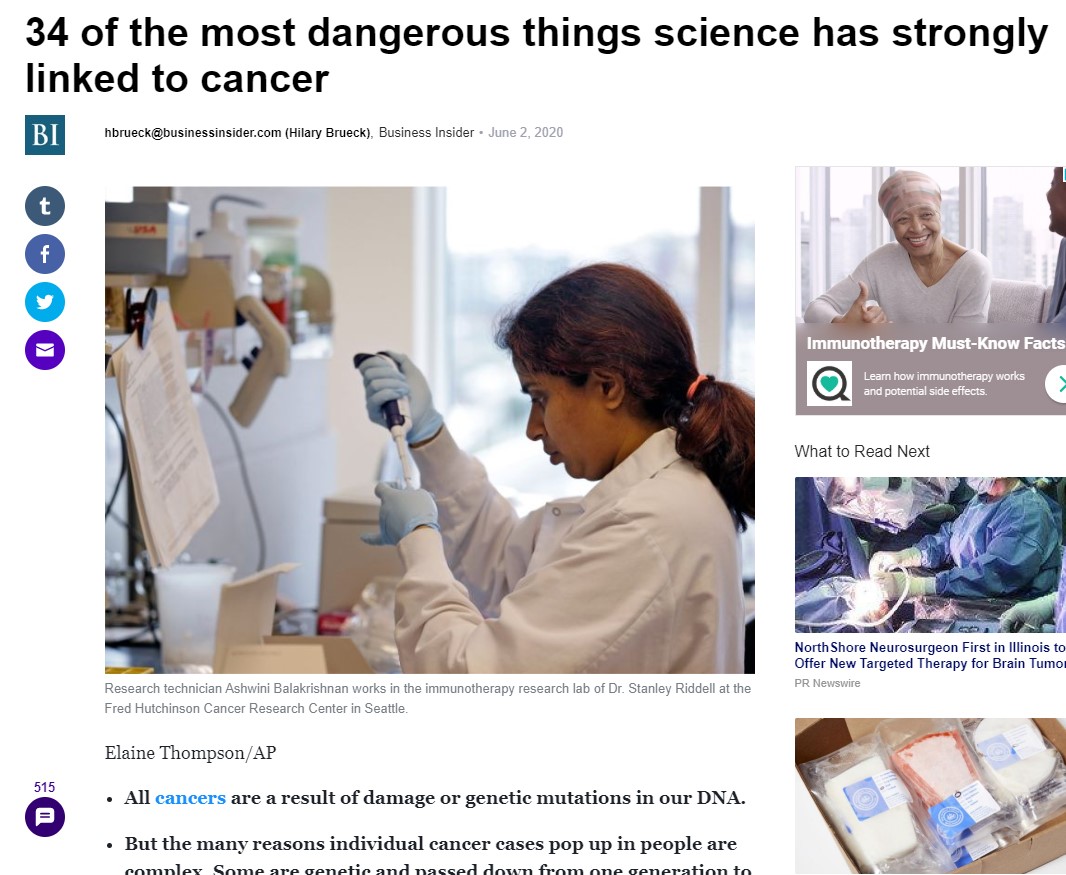
Science is back, and that may be why Business Insider published what can perhaps be described as an advertorial for environmental groups who have to be sweating now that their campaigns against the modern world are being laughed at.
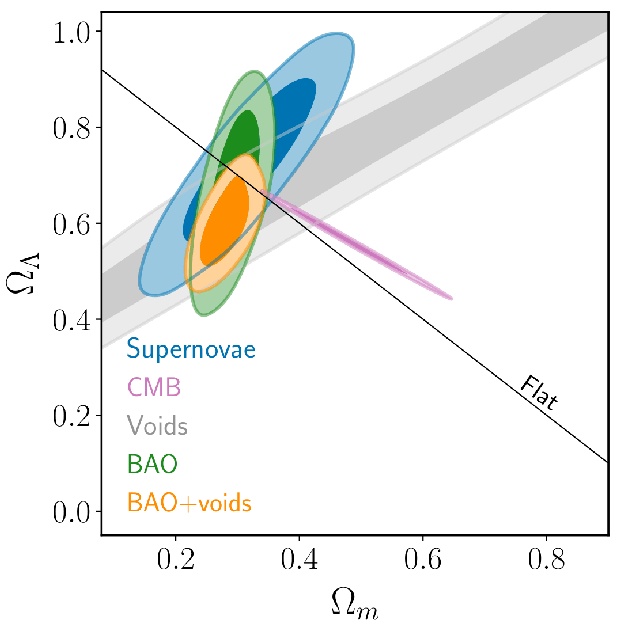
A new paper uses a combination of cosmic voids – large expanding bubbles of space containing very few galaxies – and the faint imprint of sound waves in the very early Universe, known as baryon acoustic oscillations, that can be seen in the distribution of galaxies, to show how large structures in the distribution of galaxies in the Universe can provide the most precise tests of dark energy and cosmic expansion yet.
The antimalarial drug hydroxychloroquine, touted as a miracle cure for COVID-19, appeared to have had it’s Titanic moment, at least according to a study published in the Lancet. The retrospective study analyzed the records of patients from 6 continents and found that not only was hydroxychloroquine not an effective treatment, its cardiac side effects were potentially dangerous. But this was just the tip of the iceberg, and the results were disastrous.

The Study

