
The Italian "Accademia Nazionale dei Lincei" is an old institution, founded in 1603 to promote and cultivate natural science studies. It counted Galileo Galilei as a member, and it has never ceased to pursue its goal. Nowadays, it is an excellence cultural centre and is among the advisors of the President of the Republic.
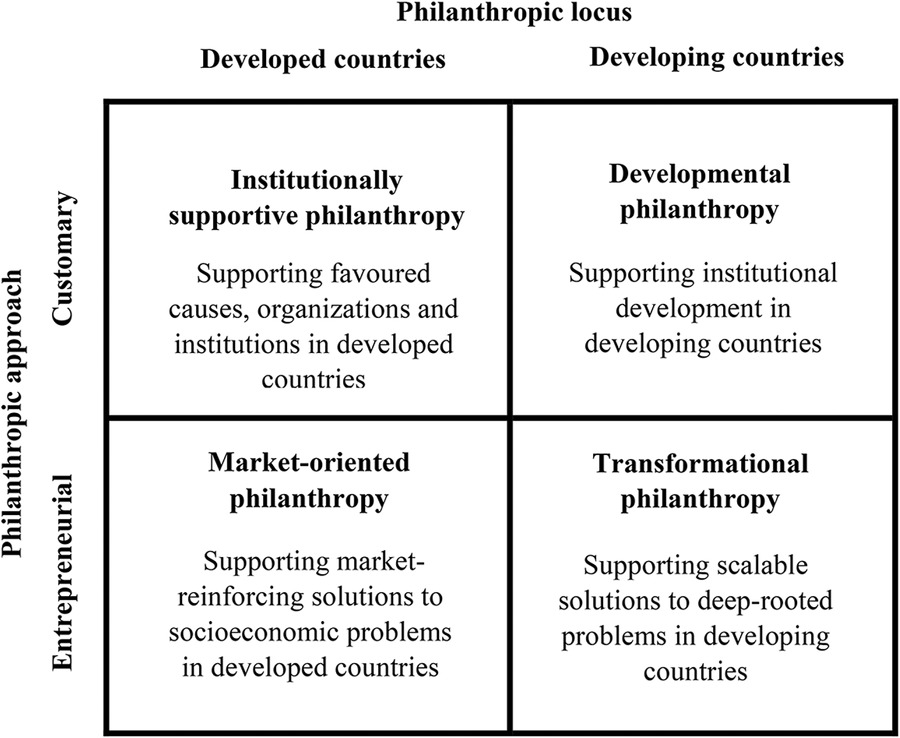
MacKenzie Scott does not give Science 2.0 any money. I wish she did. For a minute fraction of her $57 billion we could increase the science literacy for Americans quite a lot. 

I am not criticizing her, just a few months ago she pledged $4 billion to nearly 400 groups, from food banks to community colleges. She didn't have to do that, no rich person does, it is wonderful she did. 

It would even be great if funding science nonprofits carried the same cultural cachet as funding environmental lawyers, who rake in $2 billion a year from progressive foundations and corporations.

You know what is a terrible call to action? Telling people their food is safe. Chemophobia and corporate conspiracies are where the money is at.
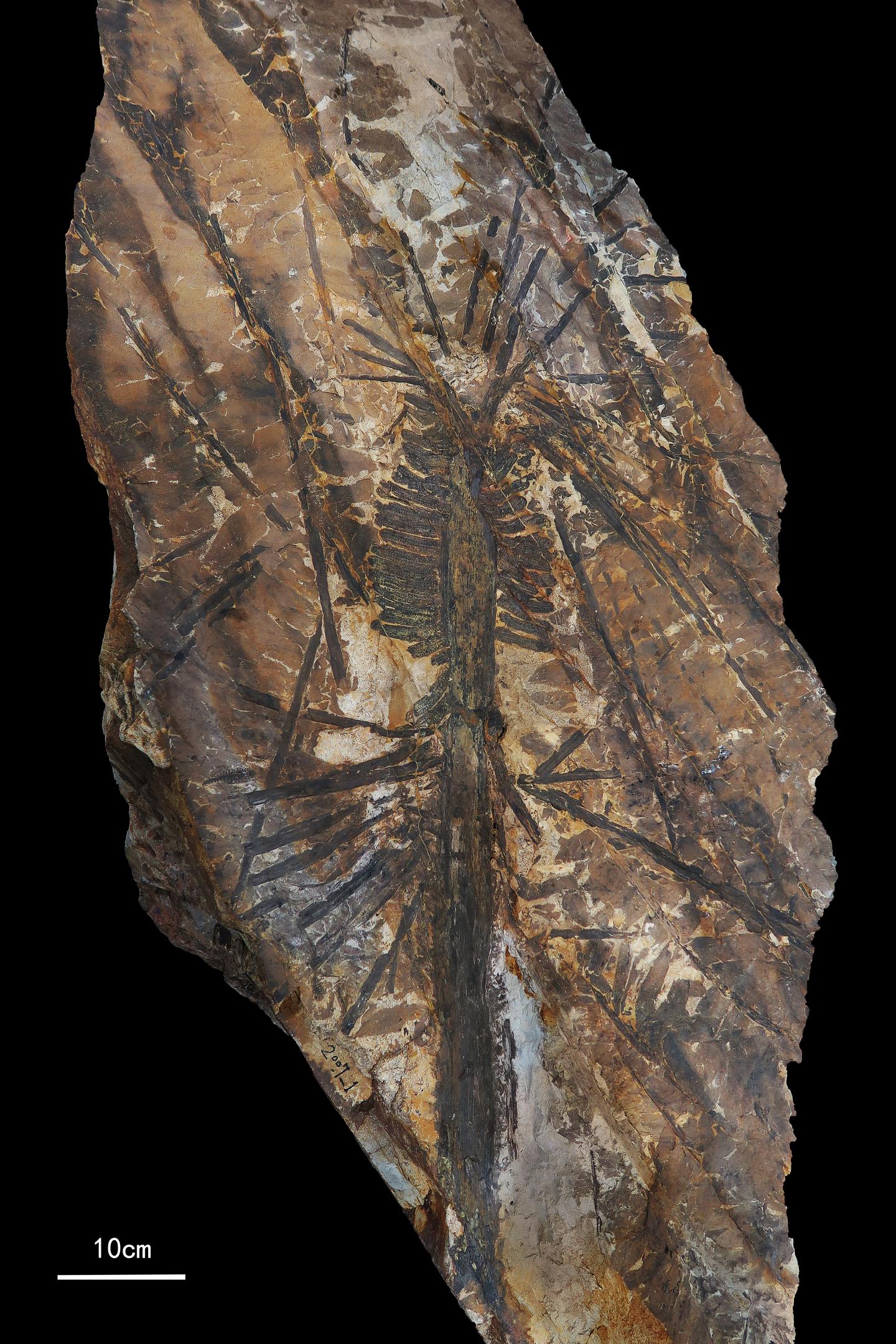
In Mongolia, plants preserved in a volcanic ash fall deposit as part of a so-called "vegetational Pompeii," may have resolved the mystery of the Noeggerathiales.

What are Noeggerathiales? Paleontologists have wanted to really know since they first learned of them.

Scientists know they were peat-forming plants that lived approximately 325-251 million years ago but their relationships with other plant groups was unknown. Were they an evolutionary dead end? Now it has been established that Noeggerathiales had the spore propagation mode of ferns and the vascular tissue of seed plants. They belonged to a sister group of seed plants, the former gymnosperm.
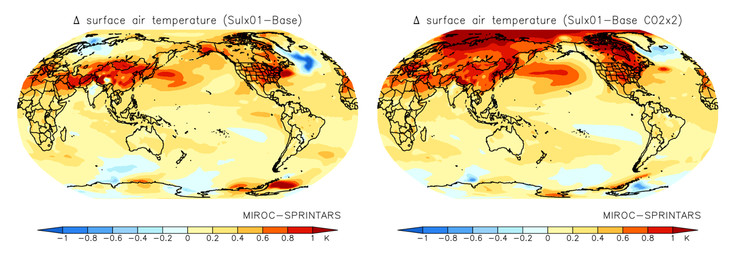
It's become increasingly hypocritical for wealthy countries to declare a hard stop on CO2 emissions before poor countries even have centralized energy for cooking and water, but a new simulation finds that Draconian caps on quality of life in developing nations may not be needed.
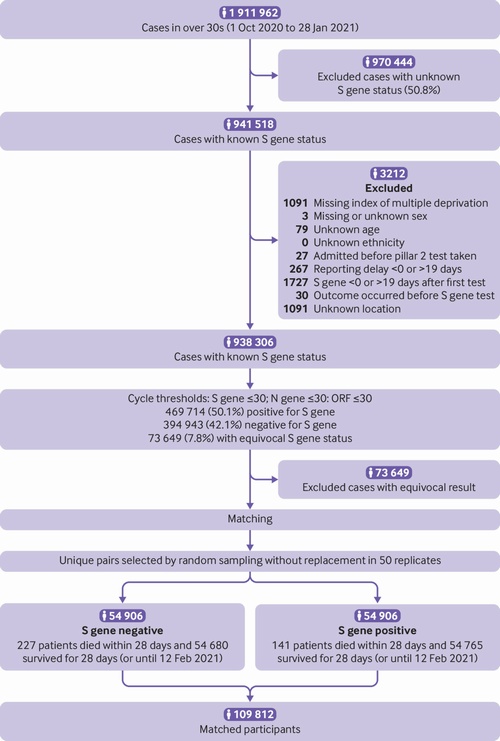
COVID-19 caused by SARS-CoV-2 variant, B.1.1.7 was first discovered in Kent last year and statistics suggest it is 30 and 100 percent more deadly than previous strains.

This is epidemiology, so an exploratory finding using correlation, that is why the range is so large. Scientists would have to confirm the validity of the statistical correlation before figuring out how to tackle it.
In lab tests, solar often seems to work great, yet in actual use its efficiency drops sharply. A phenomenon known as singlet fission can help but it is hindered by unexplained energy losses during the reaction.

Basic research is needed because solar energy could grow to be one of the most important fossil-free and eco-friendly sources of electricity. Unless it doesn't work as advertised for taxpayers who fund it.

The world is addicted to plastic. Plastic pollution is one of the most urgent environmental issues of our time. Each year, 78 million metric tons of plastic packaging is produced across the world and of that, only 14% is ever recycled. What isn’t recycled, ends up in the ocean.

Deb Haaland is the U.S. Representative for New Mexico's 1st congressional district since 2019. Predictably, she is a lawyer. Less common is that she was a casino executive.

If you are wondering if any of those count as qualifications to run the Interior Department, you are not alone. In the Washington Examiner today, I outline some of the science concerns that people on the left and right who care about wildlife refuges should have when it comes to someone with a fringe political agenda handling public land.
Is it more sustainable to have 2 billion people burning wood and dung for energy than to have centralized coal? Any objective look at the science says coal, while not perfect, is better for emissions, public health, and quality of life than individual fires but the U.S. government, guided by lobbyists, refused to provide World Bank funding for developing nations to create centralized energy - unless it was wind or solar.

All those countries could afford to maintain was coal. Instead of giving them centralized energy we put the sustainability buzzword as a mandate.
We all have an age but we also know time is a relative abstract construct based on real dimensions in the physical world; a day is different on Mars than it is on Earth. We know our birthdays and how old we are but it does not tell us how long we might live.

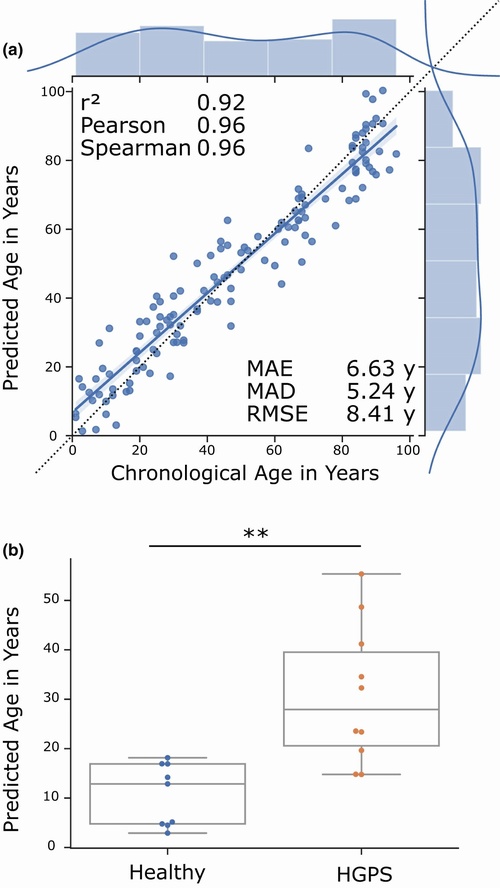
Some people age faster than others and a new study hopes to be able to measure the transcriptome, gene expression, and create a true way to read biological clocks. This study was with the model organism Caenorhabditis elegans, and worms are not little people, but for the last four decades it has become vital for studying DNA and genomes.

