Want to get into a bar fight at a physics conference? Argue that quantum mechanics is the best way to predict outcomes. Or argue the opposite.
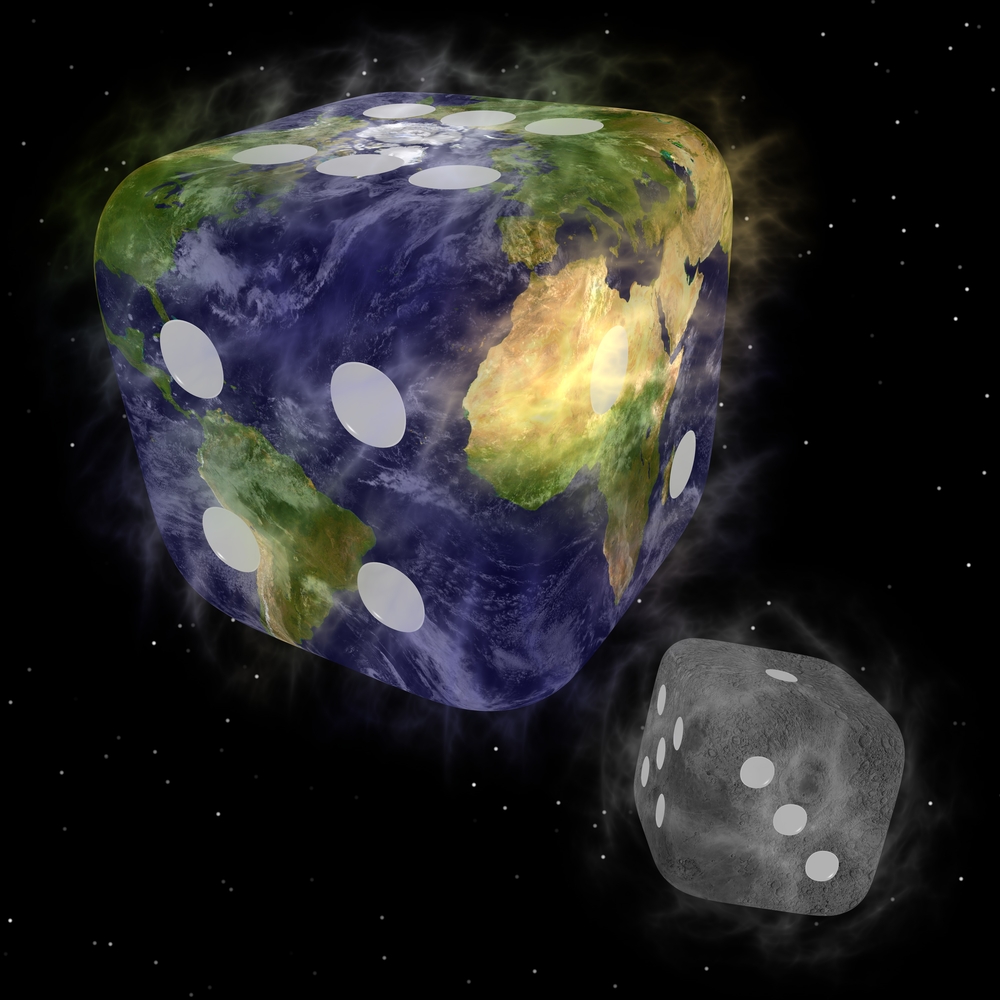
A new paper argues that quantum mechanics is close to optimal in terms of its predictive power but even if all the information is available, the outcomes of certain quantum mechanics experiments generally can't be predicted perfectly beforehand. Optimal but unpredictable? The best but often not good enough? Quantum mechanics is a confusing dichotomy, basically the LeBron James of the physics world.
The best stuff is found in Scotland.
And by 'best' I mean weirdest, like haggis, caber-tossing and 3,000-year-old mummies that turn out to be Frankenstein monsters.
Well, at least we know the ancient Celts weren't anti-science. I mean, they created a Frankenstein monster and they figured out that high-acid, low-oxygen peat bogs are the perfect way to insure that future generations could enjoy their abominations of nature. That's pro-science.
Are we on the road to uploading our brains to computers and living forever?
Singularity proponents require a two-pronged approach to believing so; wildly overstating the technology curve of what future computers and programmers will accomplish and wildly understating the complexity of the human brain. If you believe strongly enough, the future looks bright for an eternal...future.
Science 2.0 fave Dr. Neil deGrasse Tyson recently sent a funny thing
across his Twitter feed:
Q: What do you call Alternative Medicine that survives double-blind laboratory tests?
A: Regular Medicine.
And that's the crux of the issue, isn't it? There's no Big Pharm conspiracy against homeopathy, for example. What multi-national conglomerate wouldn't love to slosh some magic water in a bottle and sell it for 10 bucks or more? It just doesn't work.
If you watched the new "Star Trek" reboot, you had to chuckle when two heroes were plummeting toward terra firma at terminal velocity and were beamed aboard the Enterprise in the nick of time, suffering barely a bump. And that business about hiding behind Titan...okay, maybe that could work.
But that was science fiction, it gets a free pass. Superhero movies, though, had better get it right.
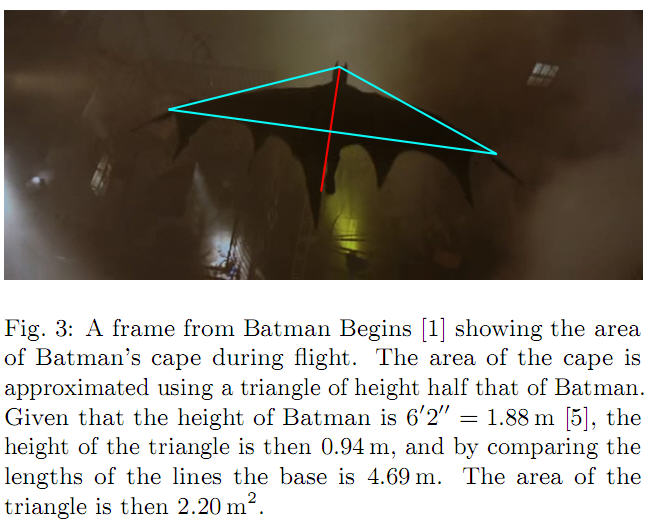
In "Batman Begins", Batman's cape solidifies when a current is passed through it, and it enables him to glide from tall buildings, but that would simply make a big splat, say physicists from the University of Leicester whose paper's press release made it to my inbox just in the nick of time.(1)
How soon after the claim that the Higgs discovery is 'international' did self-loathing Americans and Europeans ridicule the American institutions that issued press releases noting their part in the work?
About a day. The smug intimation was because America did not want to fund the whole LHC completely - understandable given the fiasco of the Superconducting Supercollider - that we somehow 'lost out' on the discovery and made no contributions worth mentioning.


 Blood Pressure Medication Adherence May Not Be Cost, It May Be Annoyance At Defensive Medicine
 On January 5th, Don't Get Divorced Because Of Hallmark Movies
 Does Stress Make Holidate Sex More Likely?
 To Boomers, An AI Relationship Is Not Cheating