Banner
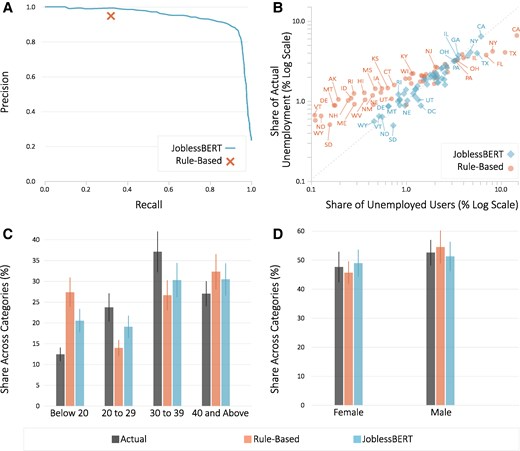
Social Media Is A Faster Source For Unemployment Data Than Government

Government unemployment data today are what Nielsen TV ratings were decades ago - a flawed metric...
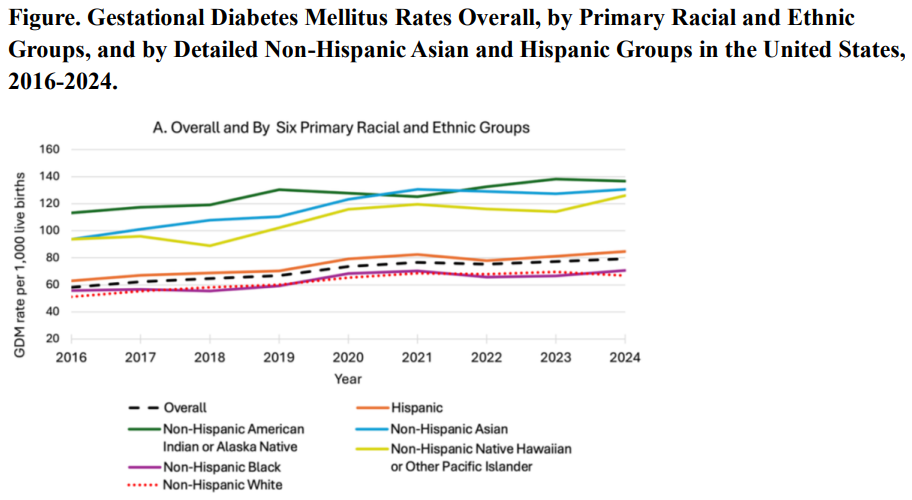
Gestational Diabetes Up 36% In The Last Decade - But Black Women Are Healthiest

Gestational diabetes, a form of glucose intolerance during pregnancy, occurs primarily in women...
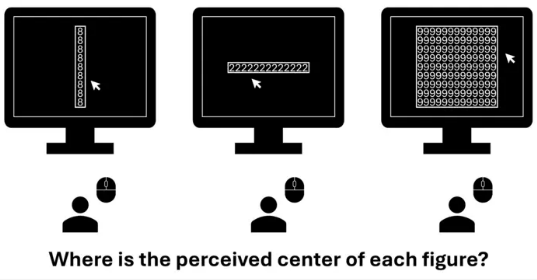
Object-Based Processing: Numbers Confuse How We Perceive Spaces

Researchers recently studied the relationship between numerical information in our vision, and...
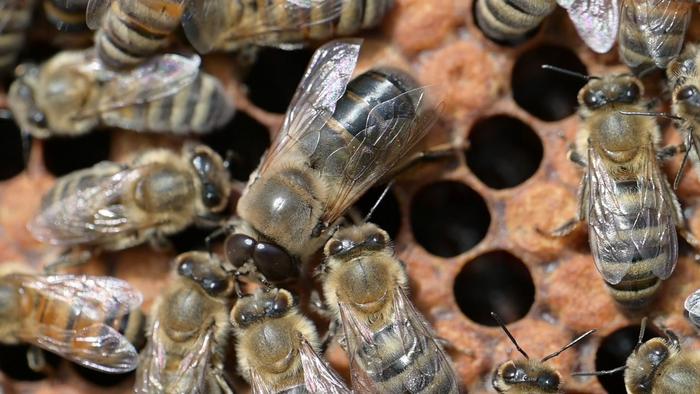
Males Are Genetically Wired To Beg Females For Food

Bees have the reputation of being incredibly organized and spending their days making sure our...

User picture.
News StaffRSS Feed of this column.

News Releases From All Over The World, Right To You... Read More »

Blogroll
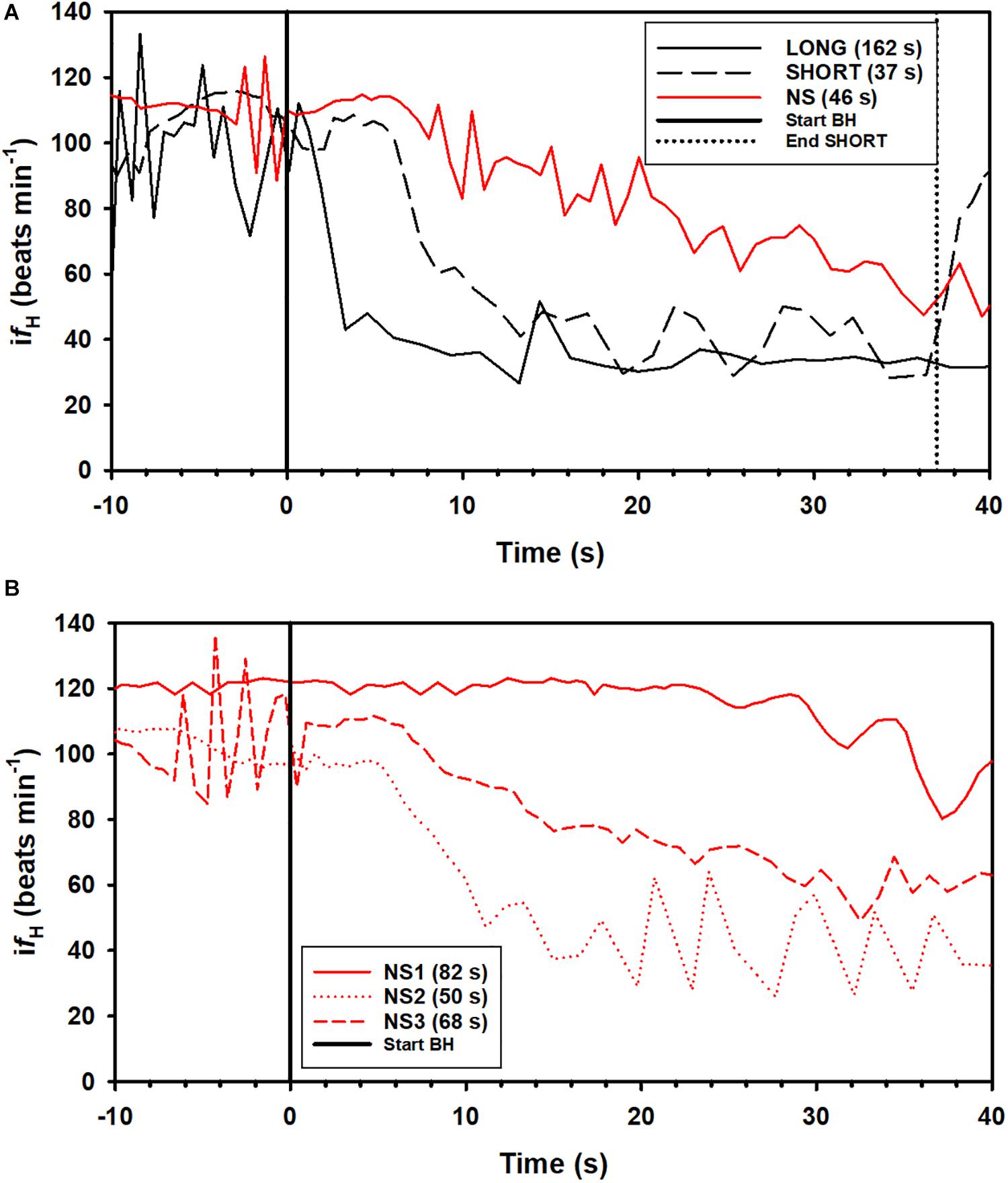
In humans, if we spend time beneath the ocean and then travel to the surface, we can suffer decompression sickness, known as "the bends" - when the nitrogen in compressed air that dissolved into our blood during a dive does not have time to clear and forms bubbles in tissues. 
While the world recovers from the third coronavirus pandemic of the last 17 years, it's important to be mindful that nature is always evolving new ways to kill. It's why scientists need to create a new influenza vaccine each year.
A lot of environmentalists raise money talking about climate change, but their energy recommendations - mitigation, rationing, high cost - are regressive.

Scientists are interested in progress, and nothing has exemplified that like genetically modified organisms (GMOs), which optimize nature in order to speed up organic processes that may take centuries to happen naturally. From insulin to watermelon to any number of other foods, GMOs have made it possible to grow more produce on less land using less water and energy and chemicals per calorie than ever before.
Now a team believe GMOs can fix climate change, by reducing the amount of CO2 plants put into the atmosphere.
A new study found that natural selection, a key mechanism in biological evolution, favors pathogens with more virulence - how much harm they cause - at the point the disease emerges in a new host species.

Not too much, or else everything will be dead, but not too weak to matter either. 

Virulence and transmission are linked, with virulence arising because pathogens need to exploit hosts to persist, replicate and transmit. Low virulence will be detrimental for pathogens if they cannot transmit while virulence that is too high will also be a disadvantage if infection kills hosts so fast that the pathogen does not have time to transmit. 
A billion people still use wood for cooking and heating - and western countries are to blame. In the last decade, centralized energy production for developing countries was derailed unless they used solar or wind - neither of which are viable on their own.

That leave families cutting and burning wood or dried dung for fuel, both of which are far worse for the environment than coal. 

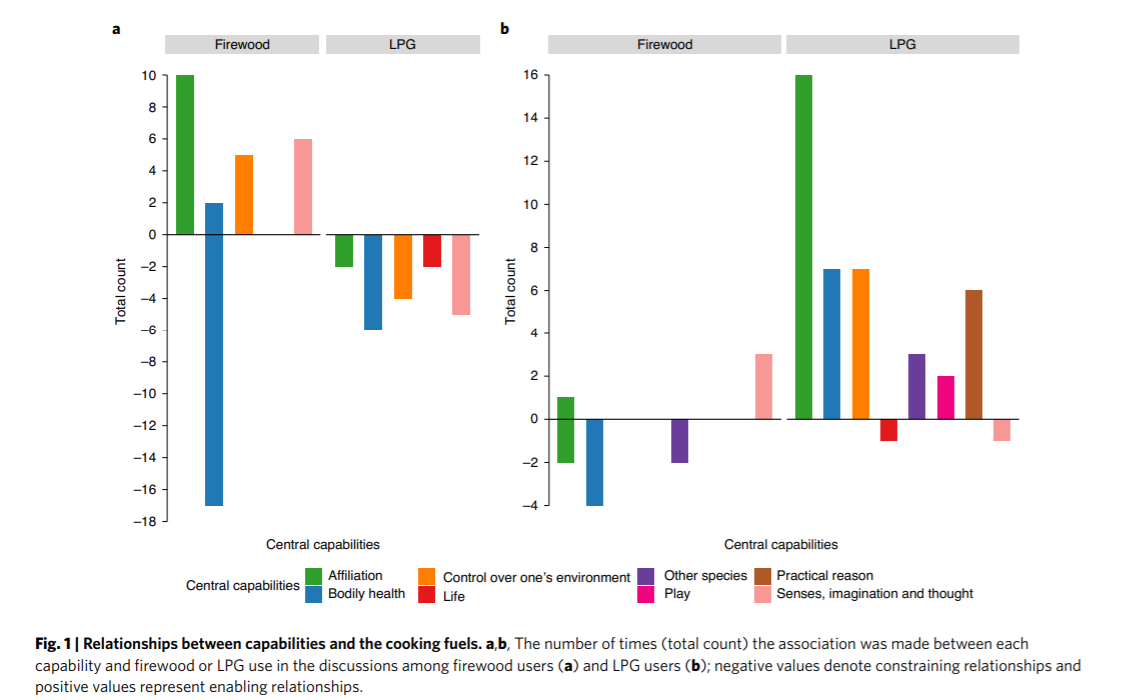
Yet there are other obstacles that even prevent people from even switching to local Liquefied Petroleum Gas (LPG) - a belief that local firewood increases "wellbeing" for their families.
With the third coronavirus pandemic of the last 17 years, and this one worse than ever, there is a great deal of talk about a vaccine. Pfizer set off a lot of excitement with its preliminary results, which exceeded the 50 percent scientists expected. And there are 197 other vaccine candidates in the pipeline.

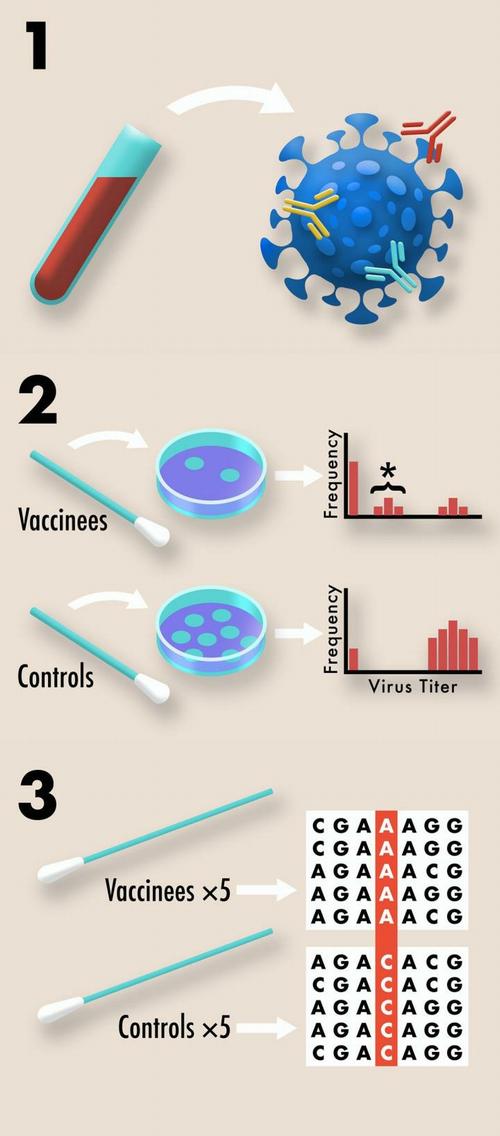
Yet by the time government, which will now want to be involved more than ever, gets any vaccine into the hands of people, the virus may have mutated. Like a flu vaccine, instead of having this go away, scientists may have to deduce what mutations will occur and create an annual vaccine based on that - because SARS-CoV-2 may develop resistance.