Banner
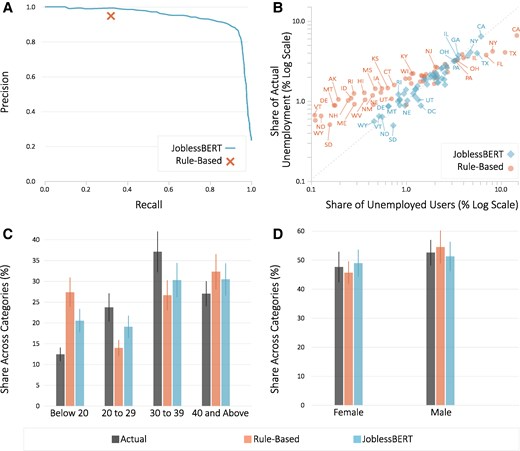
Social Media Is A Faster Source For Unemployment Data Than Government

Government unemployment data today are what Nielsen TV ratings were decades ago - a flawed metric...
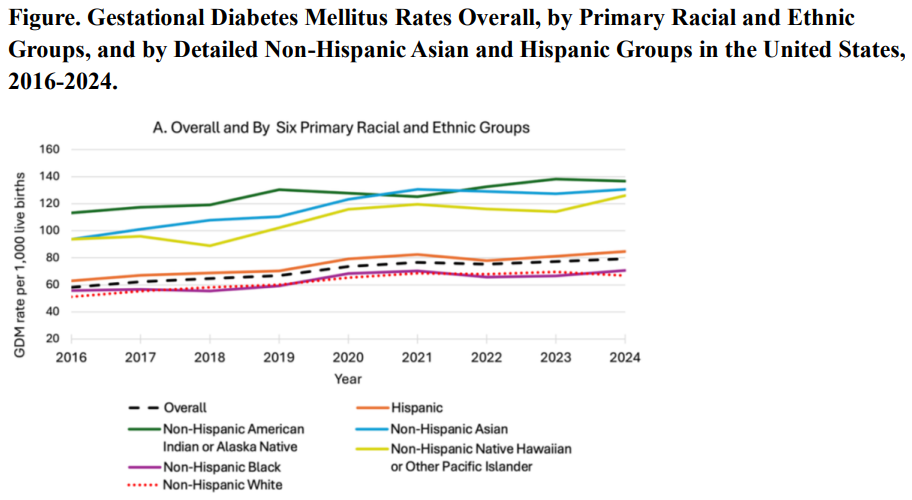
Gestational Diabetes Up 36% In The Last Decade - But Black Women Are Healthiest

Gestational diabetes, a form of glucose intolerance during pregnancy, occurs primarily in women...

Object-Based Processing: Numbers Confuse How We Perceive Spaces

Researchers recently studied the relationship between numerical information in our vision, and...

Males Are Genetically Wired To Beg Females For Food

Bees have the reputation of being incredibly organized and spending their days making sure our...

User picture.
News StaffRSS Feed of this column.

News Releases From All Over The World, Right To You... Read More »

Blogroll
The COVID-19 pandemic has sent both political parties rushing to wrap themselves in the flag of science - even those voters who were historically more inclined to oppose vaccines and medicine and purchase organic food.

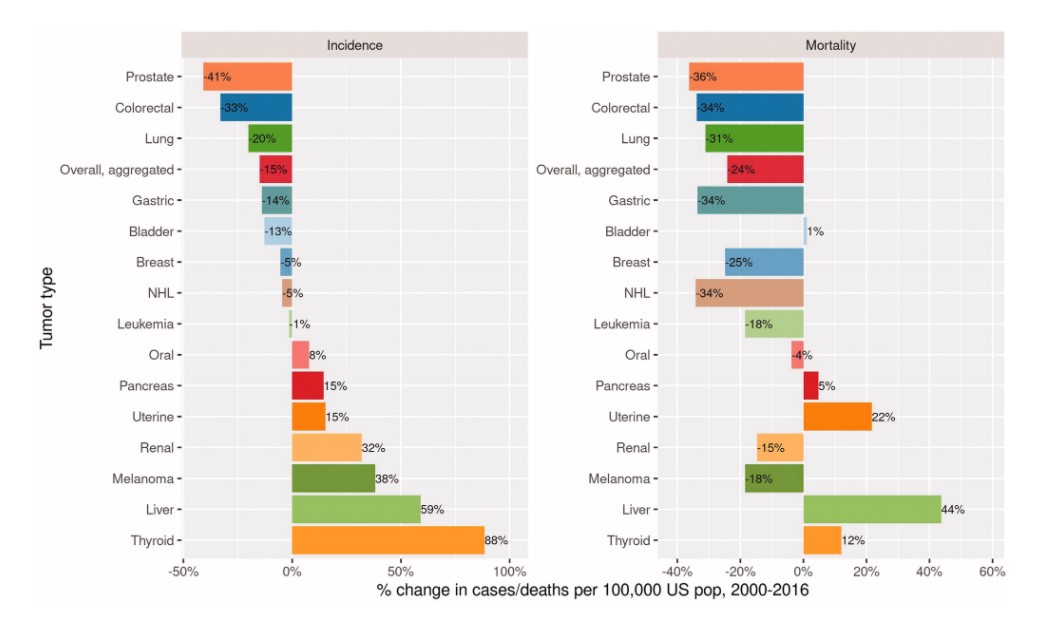
They should have been on Team Science all along, and a new analysis shows why; in a recent 16 year period, over 1.2 million people were saved thanks to 106 new treatments approved across 15 common tumors from 2000 to 2016 - including colorectal cancer, lung cancer, breast cancer, non-Hodgkin's lymphoma, leukemia, melanoma, gastric cancer, and renal cancer.
Everyone recognizes that less less food means fewer pests but when you have to grow food to keep billions from starving, yields matter. Farming has gotten more efficient, thanks to big data tools leading to targeted pesticide use and modern pesticides that are less toxic to the environment while still getting rid of pests, such as neonicotinoids. 

That's important. Even with modern science, insects cause losses of up to 18 percent and in older practices that use less-effective pesticides like the organic manufacturing process, those yield losses are even higher - along with food costs.
That gooey cheese you see in pizza advertising is actually glue. That's probably not a surprise. Consumers understand that with choices, marketing matters. With over 20 food ads seen per day, educated people recognize that though organic food contains toxic pesticides their advertising will have images of produce weeded by hand on tiny plots, while fast food looks both huge and savory and is likewise disappointing in reality.

Less clear is why people think prettier food is actually healthier.

The first fossils of a duckbilled dinosaur have been discovered in Africa, which means dinosaurs must have crossed miles of open water to get there.

Ajnabia odysseus was found in Morocco and dates to the end of the Cretaceous, 66 million years ago. Ajnabia was a member of the duckbill dinosaurs, diverse plant-eating dinosaurs that grew up to 15 meters long. But the new dinosaur was tiny compared to its kin - at just 3 meters long, it was as big as a pony.

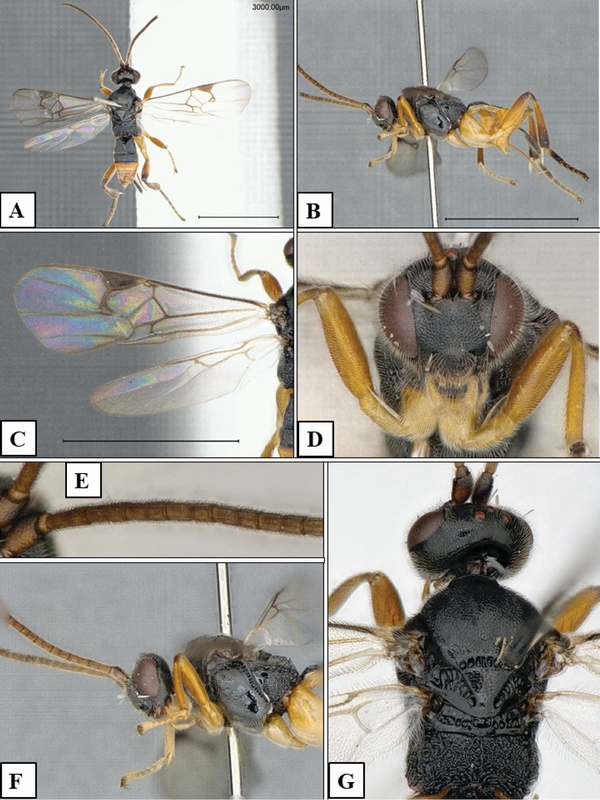
Only a few species, less than 0.1 percent, of parasitoid wasps enter water at all but now one in the family Braconidae, subfamily Microgastrinae, has been found to not only enter water but actually dive in order to attack and pull out caterpillar hosts, so that it can lay its eggs inside them before releasing them back in the water.

During research work in Japan, Dr. Jose Fernandez-Triana of the Canadian National Collection of Insects and colleagues found and filmed the first microgastrine parasitoid wasp to do so.
Since 2012, there have been increased calls for fossil fuel "divestment" - getting money out of fossil fuel companies. Despite an effort that peaked in 2015, spurred on by paid protesters from groups run by activists like Bill McKibben, they haven't made much difference.

Some schools and companies say they have done it, but like "sustainability" divestment has so many subjective meanings it is meaningless.