Fake Banner
A Great Year For Experiment Design

While 2025 will arguably not be remembered as a very positive year for humankind, for many reasons...
Living At The Polar Circle

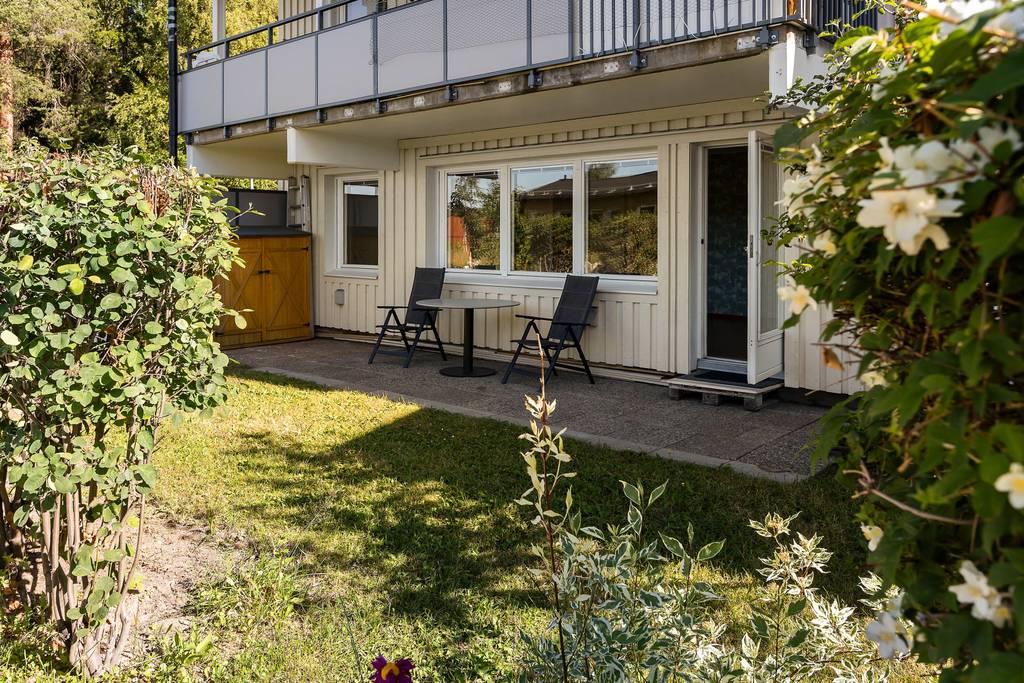
Since 2022, when I got invited for a keynote talk at a Deep Learning school, I have been visiting...

Conferences Good And Bad, In A Profit-Driven Society

Nowadays researchers and scholars of all ages and specialization find themselves struggling with...

USERN: 10 Years Of Non-Profit Action Supporting Science Education And Research

The 10th congress of the USERN organization was held on November 8-10 in Campinas, Brazil. Some...

User picture.
picture for Hank Campbellpicture for Patrick Lockerbypicture for Heidi Hendersonpicture for Bente Lilja Byepicture for Sascha Vongehrpicture for Johannes Koelman
Tommaso DorigoRSS Feed of this column.

Tommaso Dorigo is an experimental particle physicist, who works for the INFN at the University of Padova, and collaborates with the CMS and the SWGO experiments. He is the president of the Read More »

Blogroll
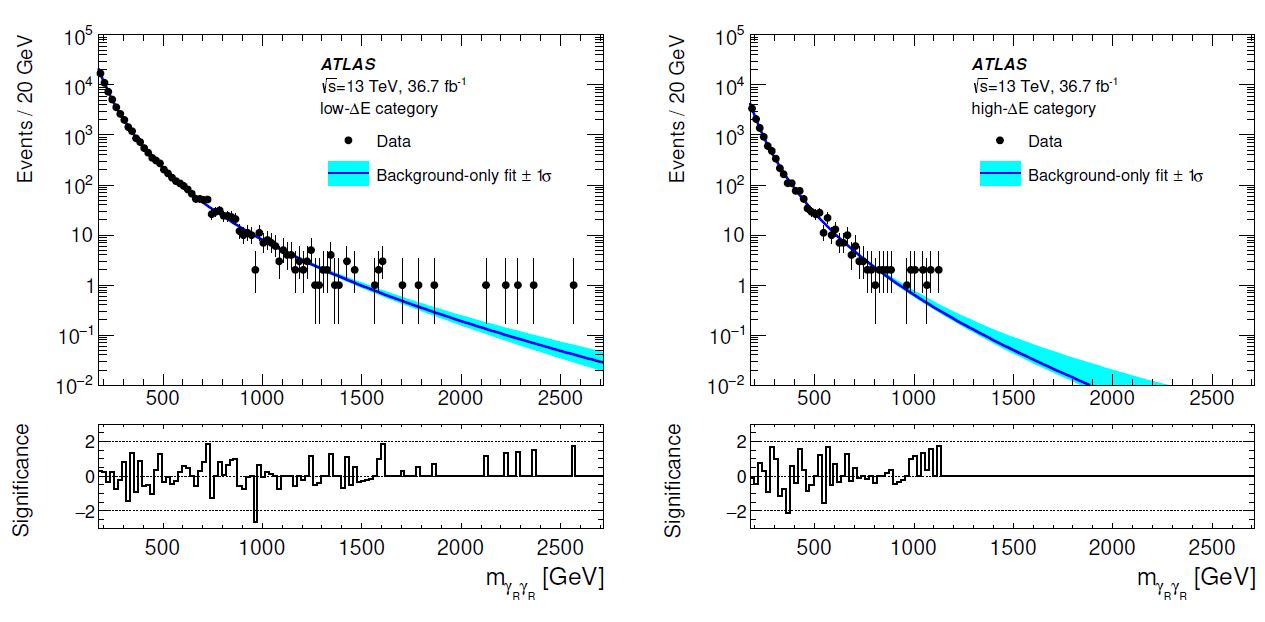
What is a photon jet? Despite their exotic name, photon jets are a well studied thing nowadays. The original studies were performed by experimentalists who aimed to test quantum chromodynamics: they used to spend their time discriminating prompt photon production in hadron collisions from backgrounds. I remember a lot of such studies were performed in the 80ies and 90ies by my CDF colleagues, especially within the "QCD working group".
The importance of the detection of single, isolated photons of high energy has risen enormously since then, given their role in the discovery of the Higgs boson. Photon jets are in fact the background to beat down if you want a neat peak of H --> γγ decays to pop out of a mass histogram constructed from events featuring two photon candidates.
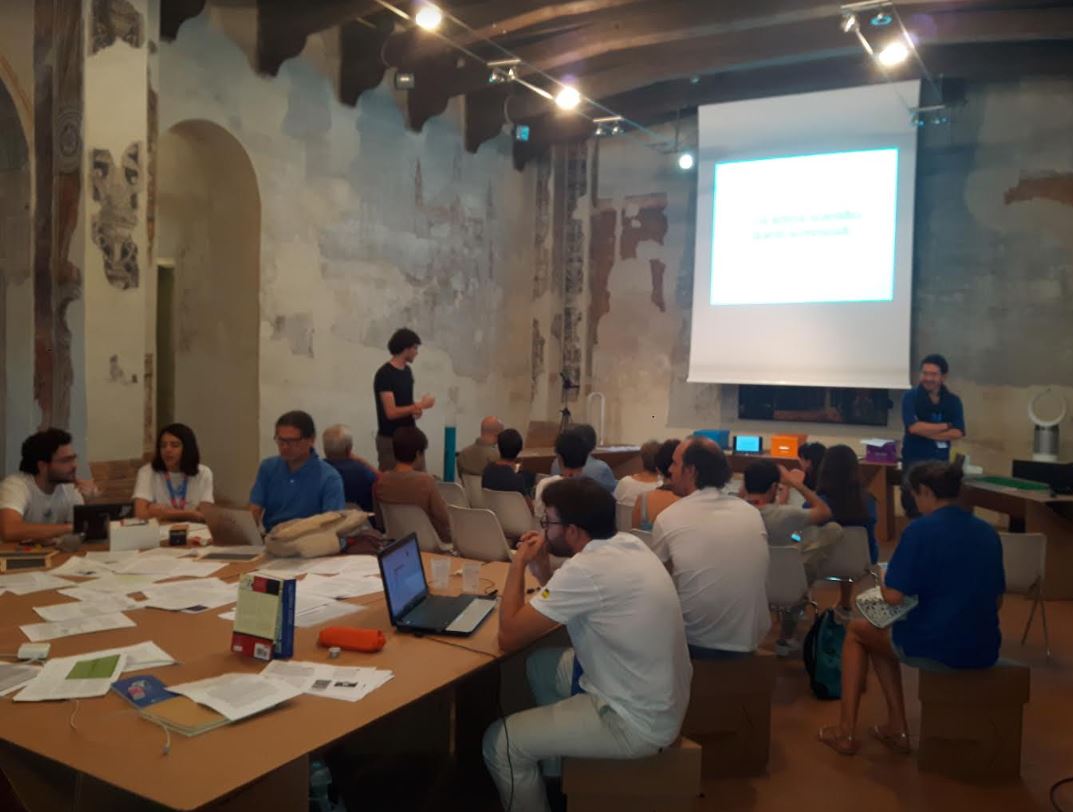
Since yesterday, and for almost a week, the literature festival in Mantova hosts "ScienceGround", a quite innovative initiative at the boundary between a science fair, a workshop, a library, and a place to hang around together and exchange ideas and information. The location is the beautiful hall of the church of Santa Maria della Vittoria, where a modular and dynamically configurable space has been set up.
On September 4 to 8 the city of Mantova, in northern Italy, will be brimming with writers and readers. The event is called "Festivaletteratura" and brings together authors and consumers of books of all kinds, in a week-long kermesse with interviews, debates, public lectures, and the like. 
Version 2 of a thick textbook on particle and astroparticle physics is out, and you should have a look at it (well, at least if you're seriously interested in the topic!). The book, titled "Introduction to Particle and Astroparticle Physics" (not a very imaginative title, admittedly, but at least a faithful one) has a more descriptive subtitle: "Multimessenger Astronomy and its Particle Physics Foundations". It is authored by Alessandro de Angelis and Mario Pimenta, two acknowledged experts of the field. 
Do you know the works of Tim Blais, the guy behind "A Capella Science"? I sincerely hope you do, but otherwise this post is for you. Tim has a youtube page where he publishes his amazing works.

Tim sings modified lyrics of famous songs, and mixes them with multiple tracks of his own voice imitating each of the instruments of the underlying orchestra, or other choral voices. Until here you could well say there's nothing new under the Sun, except that Tim has been capable, through amazing mixing and editing skills as well as awesome vocal gift, of producing quite entertaining videos. But there is more.


I am very happy to host here today an article by my INFN colleague Alessandro de Angelis, a well-known and authoritative italian astrophysicist. Alessandro has recently published a beautiful new book on this subject, which I invite you to have a look at (see link at the bottom of the article) - T.Dorigo .