Fake Banner
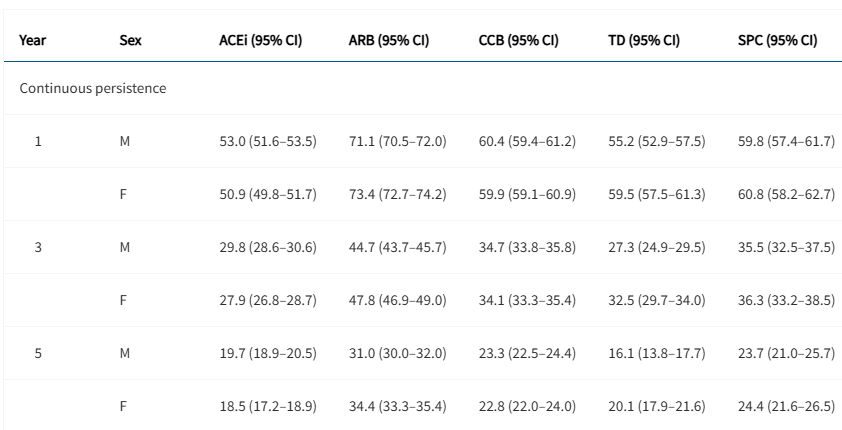
Blood Pressure Medication Adherence May Not Be Cost, It May Be Annoyance At Defensive Medicine

High blood pressure is an important risk factor for developing cardiovascular disease and premature...

On January 5th, Don't Get Divorced Because Of Hallmark Movies

The Monday after New Year's is colloquially called Divorce Day, but it's more than marriages ending...

Does Stress Make Holidate Sex More Likely?

Desire to have a short-term companion for the holidays - a "holidate" - is common enough that it...

To Boomers, An AI Relationship Is Not Cheating

A recent survey by found that over 28 percent of adults claim they have an intimate, even romantic...

User picture.
picture for Fred Phillipspicture for Hontas Farmerpicture for Tommaso Dorigopicture for picture for Patrick Lockerbypicture for Ilias Tyrovolas
Hank CampbellRSS Feed of this column.

I founded Science 2.0® in 2006 and since then it has become the world's largest independent science communications site, with over 300,000,000 direct readers and reach approaching one billion. Read More »

Blogroll

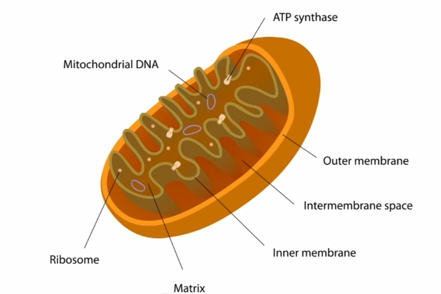
There is a discovery out there that has shown some success with multiple sclerosis, with amyotrophic lateral sclerosis (ALS - Lou Gehrig's Disease), and has even improved the function of aging hearts – but despite all that, you have probably never heard of it.

No, this is not a story about how a revolutionary breakthrough got bought up by some giant corporation and stuck in a warehouse to protect their profits - it is instead a story about how potentially good products may never see the light of day for lots of reasons. It happens more often than you think.

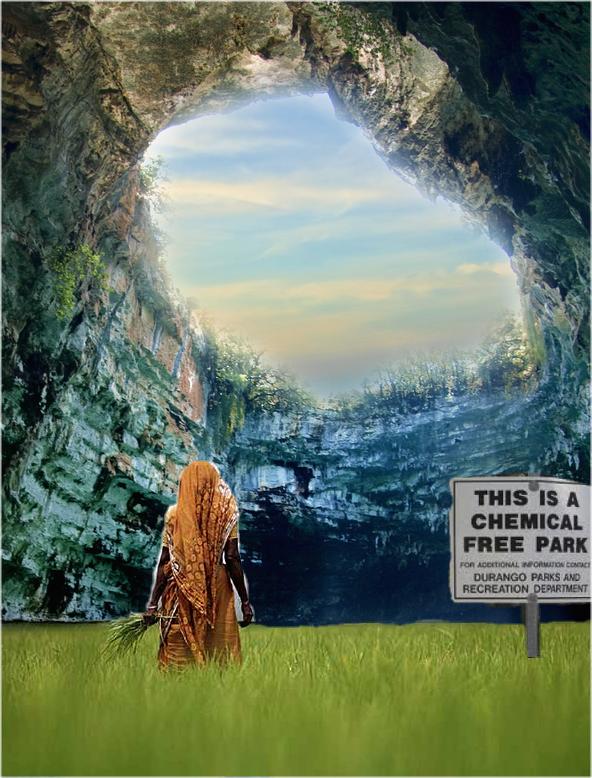
Are you worried that genetically modified corn will imperil the earth and ruin your organic sticker status if the air blows toward your fields?

Horticulturalists have a solution; let science grow transgenic crops that can feed billions and create high-value medicinal antibodies. Organic believes can put their corn in caves. 

This morning I was on the nationwide agriculture radio program, AgriTalk, hosted by Mike Adams.

This is the rational Mike Adams, not the "Health Ranger" conspiracy theorist. Mike brings up all of the key points - that people simultaneously say they want to embrace science but then pick and choose the science that matches their other cultural beliefs, that over-regulating food in ways that don't impact safety are a slippery slope to damaging the engine that drives the country, and that we're in danger of being spoiled a little by cheap food, to such an extent we might start to think it is okay not to have domestic food regarded as vital.

Prof. Jean-Claude Bradley, a true open science pioneer, has passed away.

Many people worked with him, he was willing to challenge the status quo and that means a lot of people wanted to be around him - he was one of the earliest scientists to sign up to help Science 2.0 after this first component launched. I don't know how he heard of us, he was just in tune with the broad science community that way.
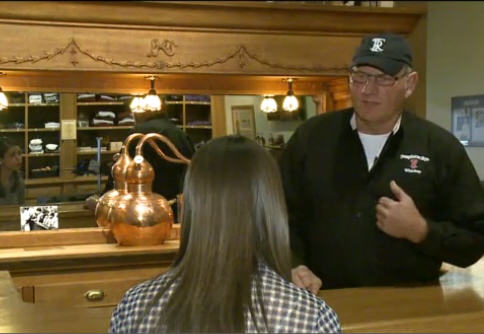
If you're like me, you always throw a little Pabst Blue Ribbon on meat. Some people use whiskey in their marinade.

At the Templeton Rye Distillery in Templeton, Iowa they are cutting out the middleman - they are trying to create pork that already tastes like whiskey. 
Vermont is still milking the slavery thing.

Yes, yes, you were first to ban it. It's easy to ban something you never had in the first place. That does not mean you are right in everything you ban and, let's face it, comparing GMOs to slavery is a little weird, even for Vermont.

Nonetheless, “We’re first again,” gushes organic farmer Will Allen in The Economist, which makes the rest of the country wonder if it is the organic farming or the Vermont air that makes people goofy.