Fake Banner
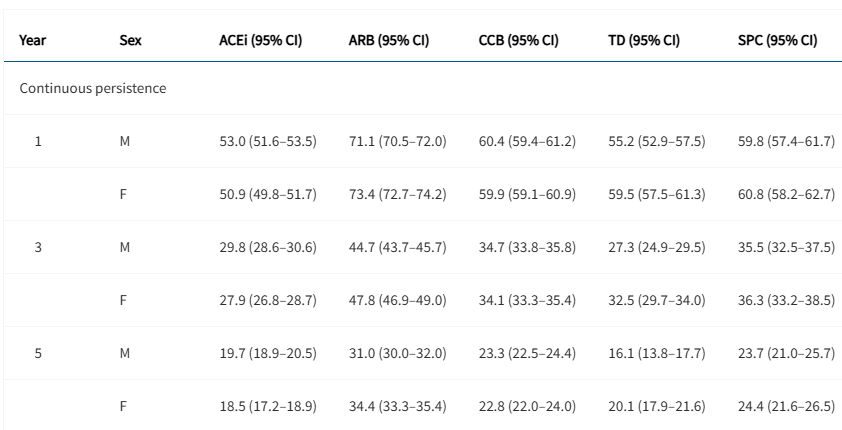
Blood Pressure Medication Adherence May Not Be Cost, It May Be Annoyance At Defensive Medicine

High blood pressure is an important risk factor for developing cardiovascular disease and premature...

On January 5th, Don't Get Divorced Because Of Hallmark Movies

The Monday after New Year's is colloquially called Divorce Day, but it's more than marriages ending...

Does Stress Make Holidate Sex More Likely?

Desire to have a short-term companion for the holidays - a "holidate" - is common enough that it...

To Boomers, An AI Relationship Is Not Cheating

A recent survey by found that over 28 percent of adults claim they have an intimate, even romantic...

User picture.
picture for Fred Phillipspicture for Hontas Farmerpicture for Tommaso Dorigopicture for picture for Patrick Lockerbypicture for Ilias Tyrovolas
Hank CampbellRSS Feed of this column.

I founded Science 2.0® in 2006 and since then it has become the world's largest independent science communications site, with over 300,000,000 direct readers and reach approaching one billion. Read More »

Blogroll
A new paper claims that people vaping instead of smoking are putting their hearts at risk but their study does not show that. Instead, they mixed chemicals in Petri dishes with heart cells and used mice. Both of those are fine exploratory experiments but they are scientifically invalid to make the conclusions the authors make in their press release.
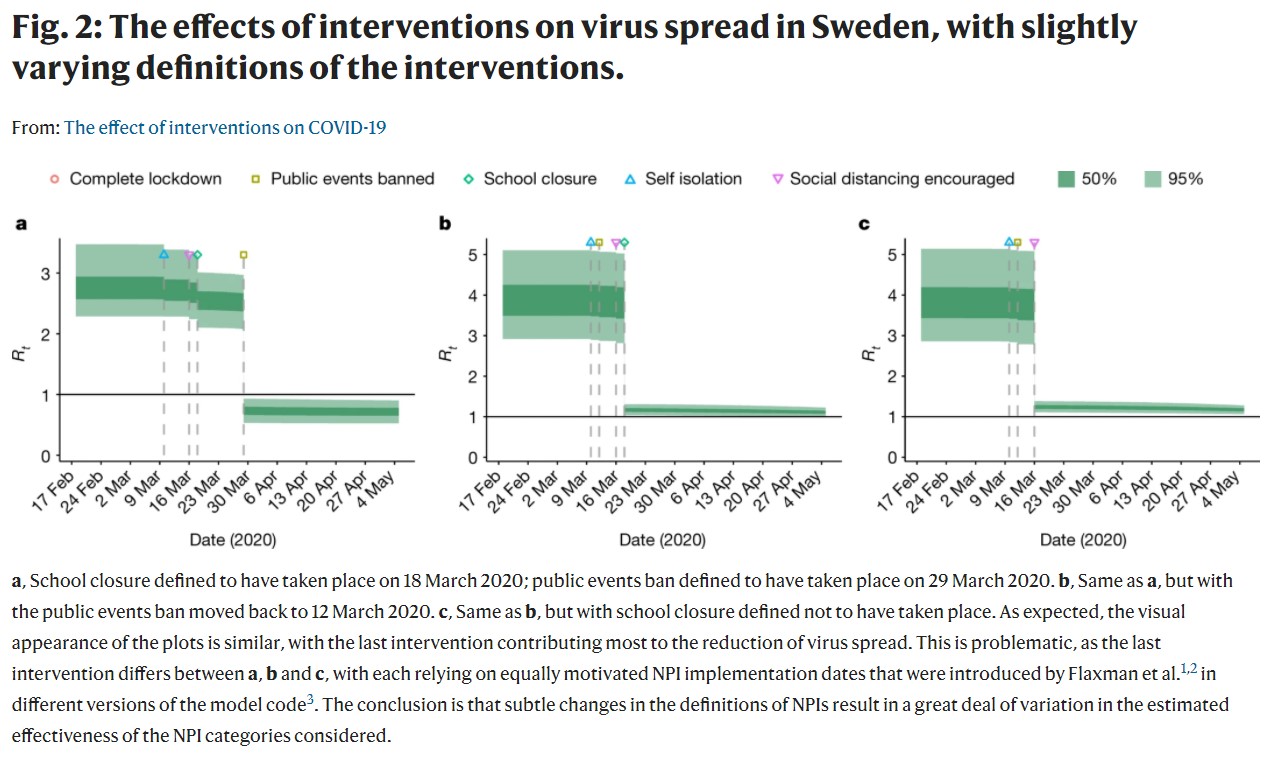
If you believe the Chinese government, they've had basically no meaningful COVID-19 deaths since March. I'd also like to sell you a wet market in Wuhan. Believing a dictatorship that has routinely lied has been disastrous. It was disastrous for the reputation of the World Health Organisation, who claimed no travel should be curtailed and that the virus could not spread from human to human because China told them that, it was disastrous for the doctor who exposed the Wuhan cover-up (he became dead), and it was disastrous for the world economy, which could take a decade to recover.

It may be harming trust in epidemiologists and peer review as well.
If you sell hot dogs at a baseball stadium, you probably do well in revenue. Now imagine the stadium puts 6 hot dog competitors next to you. Will you still do well or will your hot dog revenue go down? Unless you are Paul Krugman you know the price will go down. Now imagine the stadium tells you 6 people just like you doing the same job is a positive thing; more people will enjoy hot dogs and the market for hot dogs will probably grow because there are so many choices. 

That may be true, yet it does not help you one bit.
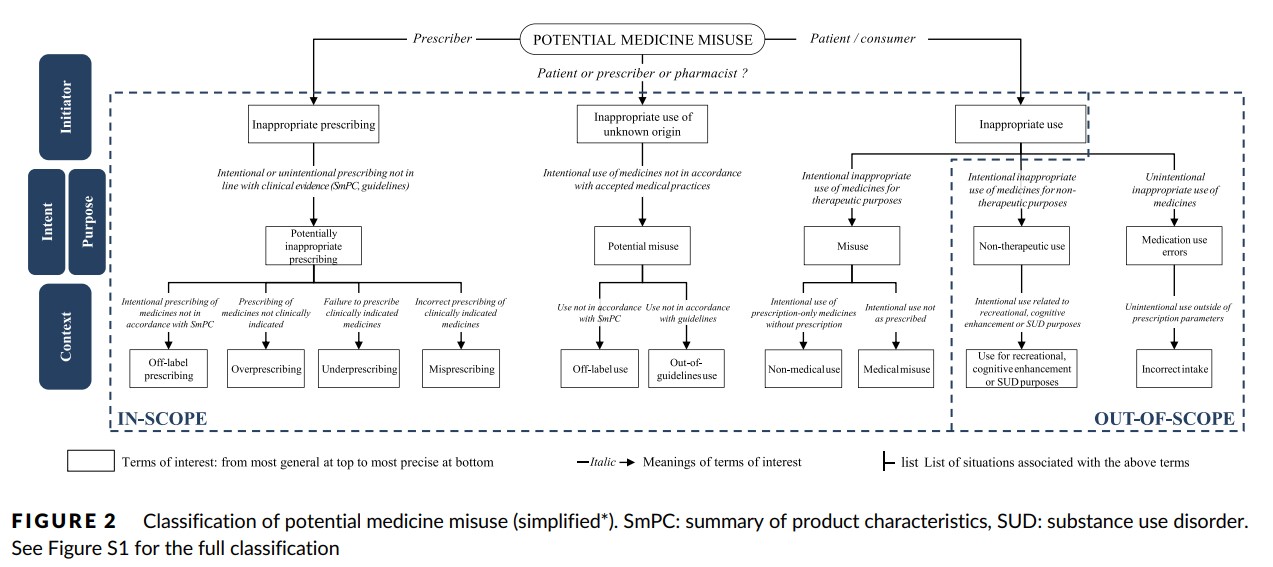
Medicine misuse is a public health issue but there is little consistency in what it means. 

Prior to 2020, everyone wanted to claim Big Pharma and medicine were bad, so whatever they wanted to write about got a broad misuse umbrella; misuse, abuse, medication errors were all called misuse.  All such deceptive framing accomplished was to muddy the waters and create a clear need for classifying and selecting terms and definitions to understand which situations truly involve medicine misuse.

A new systematic review looked at 51 relevant studies from 2008 to 2020 and found there were 74 examples of misuse - with  71 definitions. 
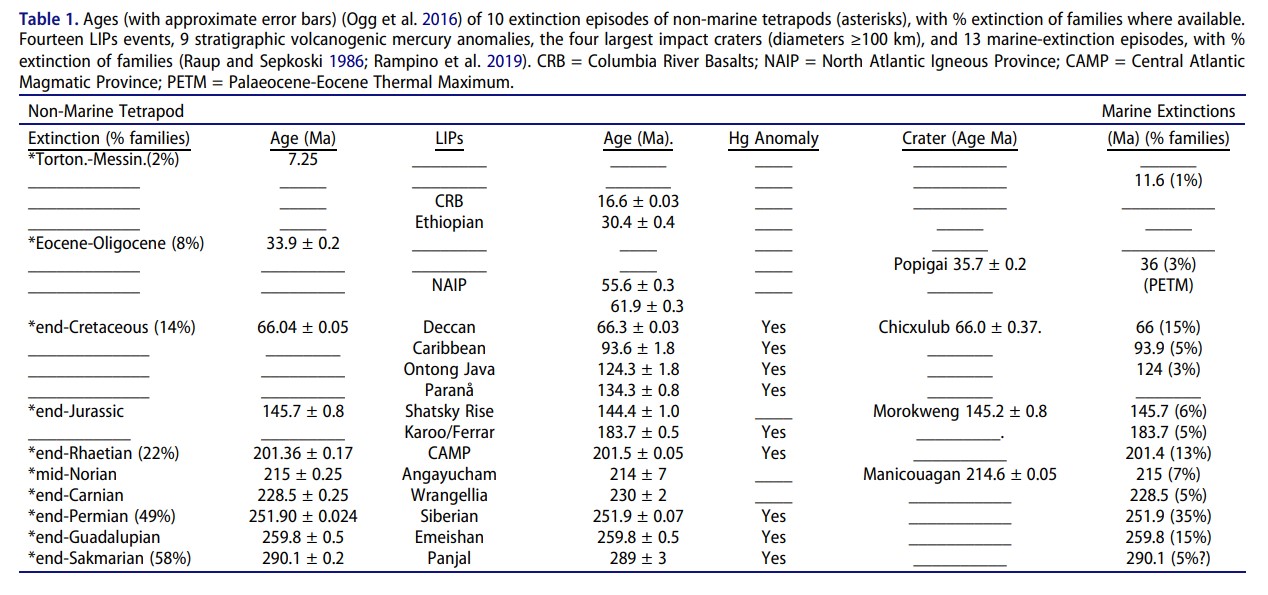
A new paper finds that mass extinction of land-dwelling animals - amphibians, reptiles, mammals, and birds- occur in a cycle of about 27 million years.

A pattern in nature or just coincidence?

Probably coincidence, since 27 million years give or take is a fantastic range of time but journalists and professional doomsday prophets are making something of it the way they do Mayan calendars and Biblical numerology. When it comes to real concepts of time, 66 million, 26 million, and 27.5 million don't have much in common.

Yet the paper does link them as non-random events, using the bane of informed food and chemical acceptance of science - statistical analyses.
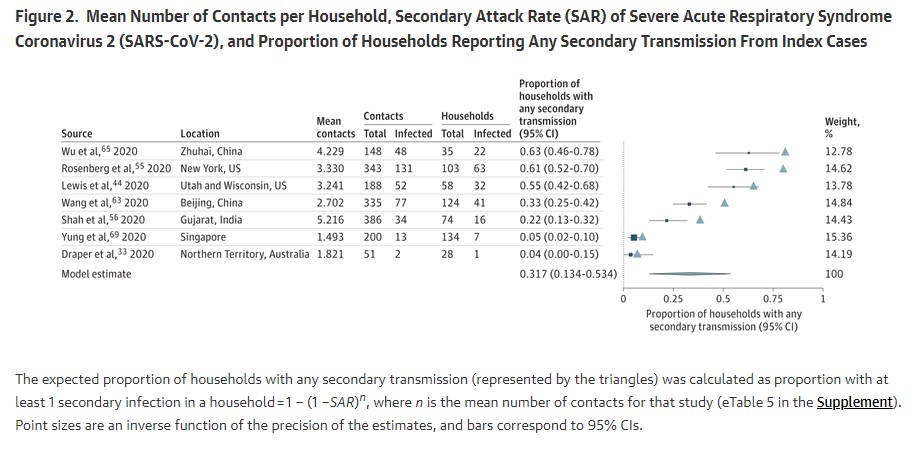
A meta-analysis of severe acute respiratory syndrome coronavirus 2 (SARS-CoV-2), the 2019 form of coronavirus that led to the COVID-19 pandemic, found that the chance an infected person showing symptoms was infecting someone else even in their home was only 18%, while it plummeted to 0.7% if they are not symptomatic.

The pool was not small, it was data from over 77,000 participants. That's actually good news, and it may mean a return to normalcy, because if even being trapped in a home with someone has only a minor risk for those not at respiratory distress risk from flu or anything else, casual public contact means nearly none.